
Planting
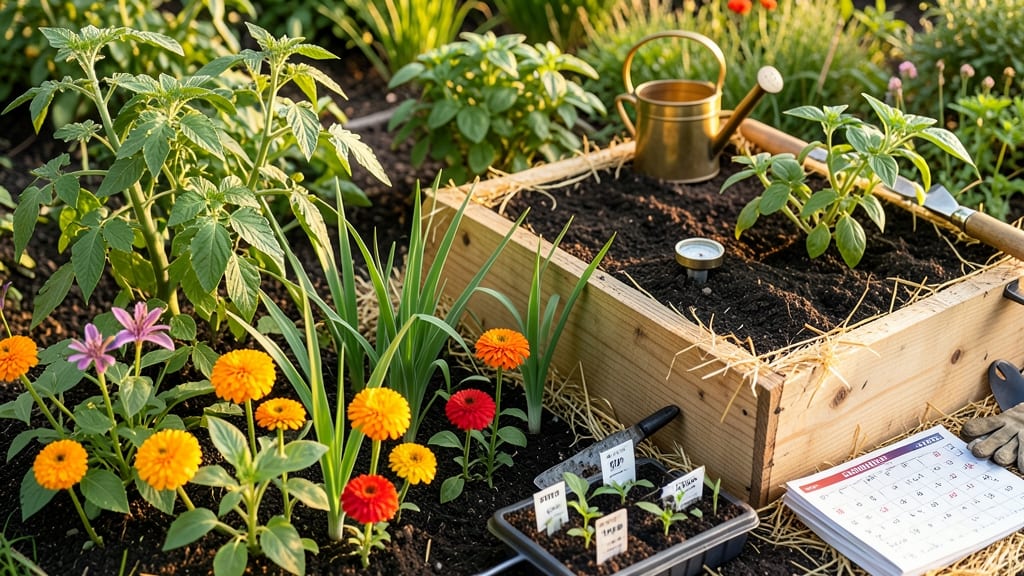
Planting a garden in Virginia at the right time means the difference between a thriving harvest and wasted effort—especially with the state’s shifting frost dates and varied microclimates.
Virginia’s diverse climate—from coastal plains to mountain highlands—means planting times vary dramatically, and getting it wrong can mean the difference between a bountiful harvest and wasted seeds. Whether you’re in Zone 5a or Zone 8a, timing is everything.
Most gardeners in Virginia start seeds indoors 6-8 weeks before the last frost, which can range from early March in the Tidewater region to late April in the Blue Ridge Mountains. But even that’s not set in stone—soil temperature and local weather patterns play a huge role.
In this guide, I’ll break down the best planting windows for vegetables, flowers, and perennials across Virginia’s zones, plus pro tips to avoid common mistakes that derail even the most eager gardeners.
Virginia planting zones explained: when to start seeds indoors vs. outdoor planting dates
Virginia’s USDA planting zones range from 5a in the mountains to 8a along the coast, creating dramatic differences in frost dates and growing seasons. Understanding these zones helps you time seed starting indoors and direct outdoor sowing perfectly for your location.
In Zone 5a, gardeners face late spring frosts until mid-May, while Zone 8a gardeners can plant warm-season crops as early as mid-March.
The key to success lies in knowing your last average frost date and adjusting planting times accordingly. For example, cool-season crops like lettuce and peas thrive when planted 4-6 weeks before your last frost, while warm-season crops like tomatoes and peppers need soil temperatures above 60°F before transplanting.
Let’s break down the specifics for each zone to help you plan like a pro.
📌 Pro Tip: Use a seed starting calculator to determine exact dates for your zone. Most garden centers in Virginia sell zone-specific planting guides—grab one if you’re unsure about your exact microclimate.
| USDA Zone | Last Frost Date | Start Seeds Indoors | Direct Sow Outdoors | Transplant Outdoors |
|---|---|---|---|---|
| 5a (Mountains) | Mid-May | 4-6 weeks before last frost (March 15-April 1) | After May 15 (cool crops) | June 1 (warm crops) |
| 6a (Piedmont) | Early April | 3-5 weeks before last frost (February 25-March 15) | After April 1 (cool crops) | May 1 (warm crops) |
| 7a (Central) | Mid-March | 2-4 weeks before last frost (February 15-March 1) | After March 15 (cool crops) | April 15 (warm crops) |
| 8a (Coastal) | Early February | 1-3 weeks before last frost (January 15-February 1) | After February 1 (cool crops) | March 1 (warm crops) |
In Zone 5a, where I garden in the Blue Ridge Mountains, I start tomato and pepper seeds indoors in early March to give them enough time to mature before the late May frosts.
Meanwhile, in Zone 8a, coastal gardeners can direct-sow warm-season crops like okra and sweet potatoes as early as March. Always check your local extension office for precise frost dates—microclimates can shift planting windows by weeks.
For cool-season crops like kale, spinach, and carrots, aim to sow seeds outdoors 4-6 weeks before your last frost date. These plants tolerate light frosts and even thrive in cool spring temperatures.
In contrast, warm-season crops like beans, cucumbers, and squash need to wait until soil temperatures reach 60-65°F, which typically happens in late April or May depending on your zone.
Herbs like basil and cilantro are particularly finicky—basil won’t germinate in cold soil, while cilantro bolts in heat. I start basil indoors in Zone 6a around March 1, then transplant after the last frost.
For cilantro, I direct-sow in early spring and late summer to avoid the hottest months. Pay attention to these plant-specific quirks to maximize your garden’s potential.
If you’re unsure about your exact zone, use the USDA Plant Hardiness Zone Map or ask your local cooperative extension service for a precise location-based guide. Many Virginia counties, like Fairfax or Loudoun, have unique microclimates that can push planting dates earlier or later.
For example, urban areas like Richmond often experience heat islands that allow for earlier warm-season planting.
Remember, seed packets often include planting dates tailored to your region—check the back for guidance! For instance, a packet of tomato seeds might say “plant outdoors after last frost” or “start indoors 6-8 weeks before last frost.” These dates are usually based on
Best month-by-month planting schedule for Virginia’s top vegetables and flowers
Virginia’s diverse microclimates mean your Richmond garden might have 2 weeks earlier planting times than Roanoke’s highlands. To simplify, I’ve created this month-by-month guide for Virginia’s most popular vegetables and flowers, tailored to the state’s USDA zones 5a-8a.
Whether you’re growing heat-loving tomatoes or cool-season lettuce, timing is everything for success.
For coastal Virginia (zones 7b-8a), like Norfolk, you can start warm-season crops like peppers 2-3 weeks earlier than mountain regions (zones 5a-6b), such as Blacksburg. Always check your last frost date—typically mid-April in the south and late May in the mountains—before planting frost-sensitive crops outdoors.
🌱 Numbered Highlights: Virginia’s Planting Timeline
- March: Start cool-season veggies (lettuce, peas, spinach) indoors or outdoors in southern VA. Plant perennials like zinnias and marigolds indoors.
- April: Direct-sow radishes, carrots, and onions after last frost. Transplant broccoli and cauliflower seedlings. Northern VA can start tomato/pepper seeds indoors.
- May: Warm-season planting begins! Transplant tomatoes, peppers, and squash after soil reaches 60°F. Direct-sow beans and cucumbers. Flowers like sunflowers thrive now.
- June: Succession plant lettuce and bush beans for fall harvests. Add heat-tolerant flowers like lantana or cosmos to attract pollinators.
- July-August: Plant fall crops (kale, Brussels sprouts) 6-8 weeks before first frost. Sow marigolds to deter pests in vegetable beds.
- September: Last chance for cool-season veggies like spinach and radishes. Plant garlic for next year’s harvest.
- October-November: Plant spring-blooming bulbs (tulips, daffodils) and cover crops like clover to protect soil.
For heat-loving crops like tomatoes and peppers, I recommend staggered planting—start a second batch 4-6 weeks after your first to extend harvests. In northern Virginia, wait until mid-May to plant squash and cucumbers, as earlier plantings often wilt in summer heat.
Always mulch heavily to retain moisture.
Don’t overlook flowers! Zinnias and marigolds thrive when planted after last frost and before summer’s peak heat. For longer blooms, deadhead spent blooms weekly. Cool-season flowers like pansies can handle light frosts and are perfect for fall planting.
Pro tip: Use row covers to extend your season by 2-3 weeks for cool-season crops in warmer Virginia zones. This trick works wonders for lettuce and kale in July plantings.
Remember, soil temperature matters more than air temperature. Use a soil thermometer—tomatoes need 60°F+ and peppers thrive at 70°F+. Cool-season crops like spinach grow best in 50-65°F soil. Adjust your schedule if unseasonable heat or cool snaps occur.