Planting
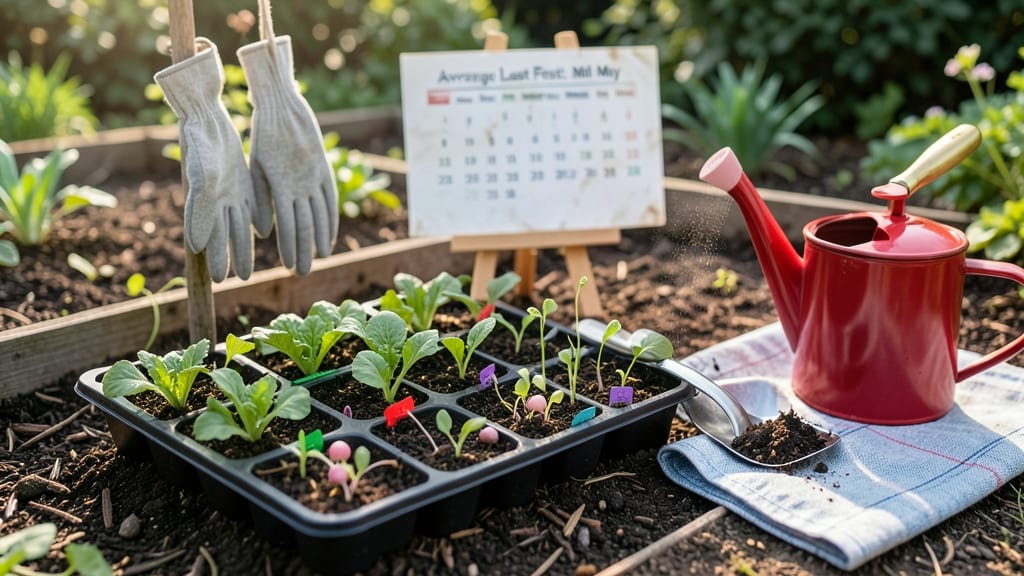
Planting your garden in Maine at the right time means the difference between a bountiful harvest and a frozen disappointment—and the window is narrower than you think.
Maine’s unpredictable climate can make planning your garden tricky—plant too early, and frost will kill your seedlings; too late, and you’ll miss peak harvests. But with the right frost-free timeline, you can maximize your garden’s potential regardless of whether you’re in coastal Portland or inland Bangor.
Cool-season crops like kale and peas can handle Maine’s chilly springs, but warm-season favorites like tomatoes need soil temperatures above 50°F to thrive. The key is knowing your last frost date and adjusting for microclimates that can push your planting window by weeks.
In this guide, I’ll break down the exact planting schedule for your Maine garden 🌱, including when to start seeds indoors, how to protect tender plants from late frosts, and which crops to prioritize for a short but productive growing season.
Maine’s frost-free dates by region: when to plant cool-season crops
Maine’s cool-season crops like kale, spinach, and peas thrive when planted early, but timing varies dramatically across the state’s three distinct climate zones.
Coastal areas like Portland often see frost-free dates by May 15-20, while inland regions (Bangor, Augusta) wait until May 25-30, and highland areas (Mount Katahdin) can delay until June 5. Understanding these last frost averages helps you avoid killing tender seedlings or missing harvest windows.
Your microclimate matters—even within a city, a south-facing slope warms faster than a shaded valley. Raised beds also heat up sooner than in-ground soil, giving you a 1-2 week advantage for early plantings.
For example, I’ve successfully transplanted baby spinach in Bangor’s raised beds by April 20, while my neighbor’s in-ground plot waited until May 1.
Key cool-season crops to prioritize include:
- Leafy greens (spinach, lettuce, arugula) – 30-60 days to harvest
- Brassicas (kale, broccoli, cabbage) – 60-90 days to maturity
- Peas – 60-75 days and tolerate light frosts
- Radishes – 25-30 days (fastest harvest)
Here’s how to use this frost-free timeline for your region:
For coastal Maine, I recommend starting spinach and peas outdoors by April 20 under frost cloth.
In my Portland garden, this gives me 60 days of harvest before summer heat stresses the plants. Kale, however, can handle light frosts and often produces sweeter leaves after a freeze—so I plant it as early as March 20 indoors for a May 15 outdoor transplant.
Inland gardeners should focus on hardier varieties like ‘Winterbor’ kale or ‘Early Wonder’ peas, which mature faster in cooler soils. My Bangor garden benefits from black plastic mulch to warm soil 2-3°F faster than unmulched beds.
This trick lets me plant lettuce by May 1 instead of waiting until May 15.
Highland regions face the shortest growing seasons, so prioritize fast-maturing crops. I’ve had success with ‘Cherry Belle’ radishes (harvest in 25 days) and ‘Early Dwarf’ broccoli (ready in 50 days).
For these areas, succession planting every 2 weeks ensures a continuous harvest before the first frost (September 20-30).
Pro tip: Check the UMaine Climate Change Institute’s frost maps annually, as last frost dates shift with climate change. In the past decade, I’ve seen coastal Maine’s frost-free date creep forward by 3-5 days. Adjust your planting calendar accordingly—don’t rely solely on historical averages!
Remember, soil temperature matters more than air temperature. Use a soil thermometer to confirm 40°F+ for peas and 45°F+ for lettuce. In my experience, raised beds hit these temps 1-2 weeks earlier than in-ground plots, giving you a critical edge in Maine’s short season.
🌱
Best planting schedule for warm-season vegetables in Maine
Maine’s warm-season vegetables like tomatoes, peppers, and cucumbers thrive when planted after the last frost—but timing is everything. In northern Maine, wait until mid-to-late May when soil temperatures hit 55°F+ for 2+ weeks.
Coastal areas can start slightly earlier, around late April to early May, thanks to milder microclimates.
Direct sowing beans and peas is easiest, but transplanting seedlings gives tomatoes and peppers a head start. Use row covers or cold frames to extend the season if late frosts threaten. My #1 tip: Harden off seedlings for 7-10 days before planting to avoid shock.
🌱
- 1 Start seeds indoors 6-8 weeks before last frost (early March for most of Maine). Use grow lights for 14-16 hours/day.
- 2 Soil temperature check: Use a soil thermometer—wait until 60°F+ for tomatoes/peppers and 55°F+ for beans/cucumbers. Coastal areas hit this by late April; inland by mid-May.
- 3 Transplant seedlings after last frost (use UMaine frost date maps for your region). Space tomatoes 18-24" apart; peppers 12-18". Direct-sow beans and cucumbers 1" deep, 6" apart.
- 4 Extend the season with row covers (remove during pollination for cucumbers) or cold frames. In northern Maine, these can add 2-3 weeks of growing time before first frost.
- 5 Succession plant beans and cucumbers every 2 weeks until mid-July to ensure continuous harvests. Choose fast-maturing varieties (e.g., ‘Early Girl’ tomatoes, ‘Bush Blue Lake’ beans).
For tomatoes and peppers, focus on early-maturing varieties like ‘Stupice’ tomatoes (55 days) or ‘Jalapeño M’ peppers (70 days). These handle Maine’s short season better than heirlooms. I’ve had success with ‘Patio’ tomatoes in containers—ideal for patios or small spaces.
Mulch heavily with straw or grass clippings to retain soil warmth and moisture. In northern Maine, consider black plastic mulch to raise soil temps by 5-10°F. Water deeply at the base in the morning to prevent fungal diseases like blight, which thrives in Maine’s humid summers.
Keep an eye on the UMaine Climate Change Institute for frost alerts. If frost is forecasted after mid-August, harvest green tomatoes and ripen them indoors. For peppers, bring plants inside before the first frost—they’ll keep producing if given 10+ hours of light daily.
🌿