
Planting
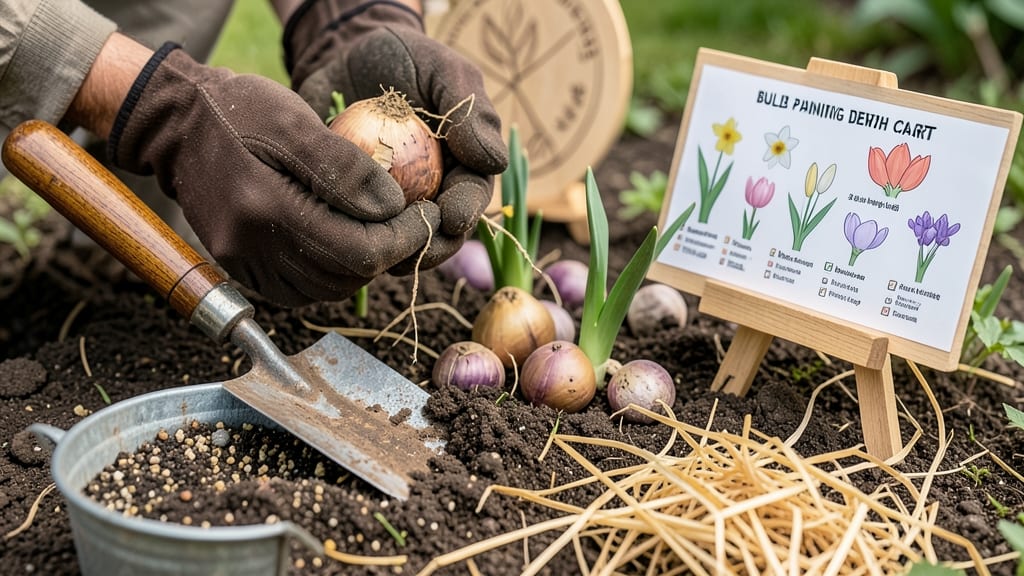
To plant bulbs in your garden at the perfect time means blooms that pop in spring like clockwork — and missing that window can mean weak growth or no flowers at all.
Timing is everything when planting bulbs 🌱 — get it wrong, and you’ll miss stunning spring blooms or risk weak growth. But with the right climate zone knowledge, you can plant at the perfect moment for vibrant, long-lasting flowers.
Fall planting in zones like 6a (October–November) gives bulbs a head start, while early spring (March–April) works for late bloomers. The key? Planting 6-8 weeks before frost ensures roots establish before winter.
In this guide, I’ll break down the exact months for your zone, soil prep secrets, and how to avoid the 3 biggest mistakes that kill bulb success. Let’s get those flowers blooming!
Best months to plant bulbs by USDA climate Zone (with exact timing)
Planting bulbs at the wrong time can mean the difference between a showstopping spring display and wasted effort. Since bulbs need chilling periods to bloom, your USDA climate zone determines the perfect window.
Most bulbs—like tulips, daffodils, and hyacinths—thrive when planted in fall or early spring, but timing shifts dramatically from Zone 3 to Zone 10. Let’s break it down by zone so you can plant with confidence.
For cool climates (Zones 3-6), fall planting is critical because bulbs need 6-8 weeks of cold before the ground freezes. In warmer zones (7-10), winter dormancy isn’t as harsh, so you can plant later in fall or even early spring.
The key is always to avoid planting when the soil is too warm or too cold, as this stresses bulbs and reduces blooms. Use your average first frost date as your guide.
Here’s a quick reference for fall planting by zone, including exact months and frost-date considerations:
| USDA Zone | Fall Planting Window | Spring Planting Window | Key Bulbs to Plant | Frost Note |
|---|---|---|---|---|
| 3-4 | Late August–Mid-October | Early April–Mid-May | Tulips, Daffodils, Hyacinths | Plant 6-8 weeks before first frost (usually by Oct 15) |
| 5-6 | September–October | March–Early April | Alliums, Crocuses, Snowdrops | Avoid planting after first hard frost (soil should be 40–50°F) |
| 7-8 | October–November | February–March | Lilies, Fritillaries, Rain Lilies | Soil temps should be below 60°F for fall planting |
| 9-10 | November–December (or early spring) | January–February | Daffodils, Gladiolus, Freesias | No frost risk; plant when soil is cool but workable |
In Zone 3-4, where winters are brutal, aim to plant bulbs by mid-October so they establish roots before the ground freezes. For example, in Minnesota or Montana, tulips planted in late September will have 6-8 weeks of chilling—perfect for robust blooms.
If you miss fall, wait until early spring (after the last frost) to plant. Just remember: spring-planted bulbs may bloom later or less vigorously.
For Zones 5-6, like those in the Northeast or Midwest, your window stretches from September to October. This gives you flexibility, but don’t wait too long—bulbs planted in November may not get enough chilling time.
In Zone 5, where first frosts hit by October 15, prioritize daffodils and crocuses, which are hardier than tulips. Always check your local frost dates using the USDA Plant Hardiness Zone Map.
In warmer zones (7-10), like California or Florida, bulbs don’t need as much chilling. Plant tulips and hyacinths in November or December, or even January in Zone 10.
These climates often allow for year-round planting, but avoid planting when soil temps exceed 70°F, as this can cause bulbs to sprout prematurely and weaken. For Zone 9-10, consider spring-planted bulbs like rain lilies, which thrive in mild winters.
Pro tip: If you’re unsure about your frost date, use a soil thermometer to check temps. Bulbs should go into 40–50°F soil for fall planting. In Zone 7, for instance, this might mean planting in late October instead
How to adjust bulb planting time for early or late blooms
Want to extend your bloom season or force flowers indoors? Adjusting bulb planting time is the secret. By tweaking when and where you plant, you can enjoy earlier spring blooms or late-season color that stands out in your garden.
The key lies in understanding light exposure, climate triggers, and indoor forcing techniques.
For early blooms, plant bulbs in late summer or early fall—about 6-8 weeks before the first frost. This gives them time to establish roots before winter dormancy. In warmer climates (zones 8-10), you can even plant in winter for spring blooms without risking frost damage.
The trick is to mimic nature’s timing while working with your local frost dates.
- 1 For early blooms: Plant tulips and daffodils in late August-September (zones 3-7) or October-November (zones 8-10). Use black plastic mulch to warm soil faster in cold climates.
- 2 For late blooms: Delay planting hyacinths and crocuses until October-November (zones 3-6) or November-December (zones 7-10). Choose shade-tolerant varieties like Grape Hyacinth for slower growth in low-light areas.
- 3 Indoor forcing: Chill paperwhite narcissus bulbs in the fridge for 8-12 weeks before planting in well-draining pots. Place near a south-facing window for 12+ hours of light daily to trigger blooming.
- 4 Sun vs. shade: Full-sun bulbs (like tulips) planted in partial shade will bloom 2-3 weeks later. For early shade blooms, choose woodland varieties like Snowdrops or Bleeding Heart bulbs.
If you’re forcing bulbs indoors for holidays, start with paperwhite narcissus or amaryllis—they’re the easiest to manipulate. Place bulbs in a cool, dark spot for 8-12 weeks before moving them to a bright, warm location.
Within 3-4 weeks, you’ll see buds forming! For outdoor adjustments, focus on soil temperature—warmer soil speeds up growth, while cooler soil delays blooming.
For late-season color, try planting fall-blooming bulbs like Sternbergia or Colchicum in late summer. These thrive in partial shade and bloom after most spring bulbs have faded. Pair them with perennials like asters for a continuous bloom display from early spring to late fall.
Pro tip: Use mulch to regulate soil temperature. A 3-inch layer of straw in fall keeps bulbs cooler for later blooms, while black plastic mulch warms soil for earlier sprouting. Test your soil’s moisture and temperature with a thermometer—ideal planting temps are 40-50°F for most bulbs.
Adjusting bulb timing isn’t just about when you plant—it’s about where and how you plant. Experiment with microclimates in your garden, like south-facing slopes for warmth or north-facing beds for delayed blooms. With these strategies, you’ll extend your bloom season and create a garden that feels alive year-round.