Planting
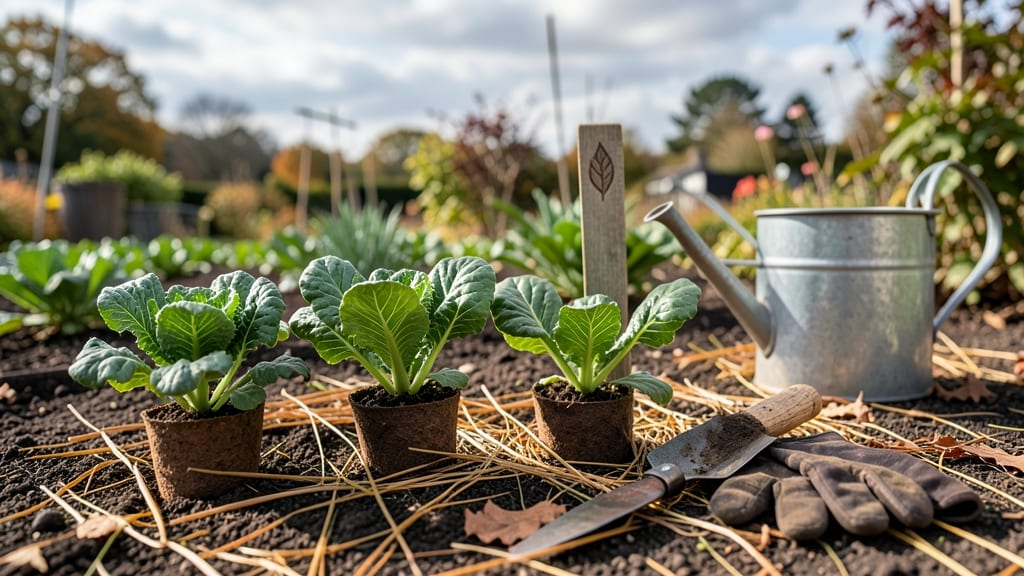
Planting a fall garden in Houston, Texas means timing your crops to beat the heat and last until frost—typically between mid-August and early October for the best results.
Houston’s long, hot summers can make gardening feel like a losing battle—but fall brings the perfect opportunity to grow a thriving garden. If you’ve ever watched your seedlings struggle under lingering summer heat or bolt before harvest, you know how critical the right window is.
With Houston’s mild winters and first frost usually arriving around mid-December, you’ve got a 3-4 month window to grow leafy greens, root vegetables, and herbs. The key is starting 6-8 weeks before frost—so late September is prime time for many crops.
In this guide, I’ll break down the exact planting dates for your favorite fall vegetables, how to prep your soil for Houston’s unique climate, and simple tricks to extend your harvest well past Thanksgiving. Let’s get those 🌽🥕🍅 growing!
Houston’s fall planting calendar: exact dates by crop type
Fall gardening in Houston’s USDA Zone 8b/9a offers the perfect escape from summer’s heat, but timing is critical. Based on 2024-2025 frost projections, your first frost typically arrives around December 15, while last frost lingers until January 15.
This 3-month window is ideal for cool-season crops that thrive in 60-75°F soil temps. Start planning now to avoid common pitfalls like overheating seedlings or missed harvests before winter sets in.
To maximize your garden’s potential, focus on 6-8 week harvest timelines before the first frost. This means late August to early October is your prime planting window for most cool-season vegetables.
For herbs and flowers, you can extend planting slightly later—up to mid-October—since they tolerate cooler temperatures better. Houston’s humidity and occasional tropical storms also demand careful soil prep and drainage planning.
Here’s your Houston-specific fall planting calendar, broken down by crop type with exact dates, sun requirements, and key notes to ensure success:
| Crop Type | Planting Window | Sun Needs | Days to Harvest | Key Notes |
|---|---|---|---|---|
| Leafy Greens (Lettuce, Spinach, Kale) | Mid-August to September 15 | Full Sun to Partial Shade | 30-60 days | Bolt-resistant varieties like Winter Density thrive in Houston’s mild falls. |
| Root Vegetables (Carrots, Beets, Radishes) | Late August to October 1 | Full Sun | 45-70 days | Loosen soil to prevent forked carrots; radishes mature fastest. |
| Broccoli & Cabbage (Cool-Season Brassicas) | Late August to September 10 | Full Sun | 60-90 days | Use row covers if temps drop below 50°F to prevent bolting. |
| Herbs (Cilantro, Parsley, Dill) | September 1 to October 15 | Partial Shade | 30-50 days | Cilantro bolts quickly—harvest leaves early or plant slow-bolt varieties. |
| Flowers (Pansies, Snapdragons, Calendula) | Mid-September to October 10 | Full Sun to Partial Shade | 45-75 days | Pansies tolerate light frosts and add color until winter. |
| Green Onions & Peas | Late August to September 20 | Full Sun | 30-60 days | Peas need trellises to support vines; harvest green onions early. |
For slow-growing crops like broccoli or cabbage, start seeds indoors in late July to give them a head start. Houston’s soil stays warm well into September, so avoid planting heat-sensitive seeds like lettuce after September 15—they’ll bolt before harvest.
Instead, opt for heat-tolerant varieties like Black Seeded Simpson lettuce or Texas Blue Hubbard squash for late-season planting.
Pro tip: Use mulch to regulate soil temperature and retain moisture, especially in urban Houston gardens where pavement can create heat islands. A 2-inch layer of straw or shredded leaves will keep roots cool and reduce watering needs.
Pair this with drip irrigation to avoid fungal diseases common in Houston’s humid falls.
If you’re new to fall gardening, prioritize fast-maturing crops like radishes (25 days) or bush beans (50 days) to build confidence. These give you quick wins while you learn Houston’s microclimate quirks, such as suburban areas staying cooler than urban heat pockets.
Adjust planting dates by 1-2 weeks based on your specific location within the city.
Don’t forget to test your soil pH before planting—Houston’s clay-heavy soil often needs amendments like compost or sulfur to reach the ideal 6.0-7.0
How Houston’s heat and humidity affect fall planting success
Houston’s fall planting season thrives on cooler temperatures, but the city’s lingering heat and humidity can still throw off your garden plans. Unlike northern climates, Houston’s USDA Zone 9a means soil stays warm longer, and tropical humidity lingers well into October.
These factors force gardeners to adjust planting timelines and care routines to avoid bolting greens or fungal diseases like powdery mildew.
One of the biggest challenges is soil temperature. Even in September, Houston’s soil can still hover around 80°F, which is too warm for cool-season crops like lettuce or spinach.
Planting too early without cooling the soil can trigger premature bolting, turning your crisp greens into bitter, seed-filled stalks. Meanwhile, humidity levels often stay above 70%, creating the perfect environment for fungal spores to thrive.
Urban vs. suburban microclimates add another layer of complexity. Downtown Houston often feels 5-10°F hotter than suburban areas like Katy or The Woodlands due to urban heat islands. This means your neighbor’s successful fall garden might fail in your backyard if you don’t account for these local variations.
Even elevated beds or shade cloth can become necessary tools in heat-prone zones.
🌱Callout-Warning
Houston’s post-hurricane planting windows (like after Harvey or Imelda) require extra caution. Flooded soil can compact and suffocate roots, while standing water promotes root rot. Wait 2-3 weeks after heavy rains to plant, and amend soil with compost to improve drainage.
Soil temperature is critical: Use a soil thermometer—ideal temps for fall crops are 60-70°F. If your soil runs hotter, try shade cloth or mulch to cool it down before planting.
Humidity spikes after tropical storms can trigger fungal diseases. Space plants properly (follow seed packet guidelines) and avoid overhead watering to keep foliage dry.
Timing your fall harvest also depends on Houston’s unpredictable weather. While the average first frost hits around December 15, sudden cold snaps can occur as early as November.
Fast-growing crops like radishes or bush beans should be planted no later than mid-October to ensure a harvest before temperatures drop. Slower growers, such as broccoli or carrots, need to go in by early September to mature before winter.
For urban gardeners, container gardening can be a lifesaver. Potted plants warm up faster in the sun but also cool down quicker at night, mimicking the milder conditions of suburban areas.
Choose lightweight containers with drainage holes and use moisture-retentive soils to combat Houston’s erratic rainfall. Just remember: Morning watering is key—avoid evening sessions to prevent fungal growth in the humid air.
Don’t overlook the benefits of season extenders like row covers or cold frames. These tools can push your planting window 2-4 weeks later into fall, giving you a longer harvest season.
For example, a lightweight row cover can protect kale or collard greens from a light frost, allowing you to enjoy fresh greens well into January. Pair this with mulch to insulate the soil and maintain even temperatures.
Finally, monitor your garden daily during Houston’s transitional seasons. What works in September might fail in October due to shifting humidity or temperature. Keep a gardening journal to track which crops thrive in your microclimate and adjust your strategy year after year.
With these adjustments, you’ll turn Houston’s heat and humidity from a challenge into an advantage for a bountiful fall harvest. 🌿