
Planting
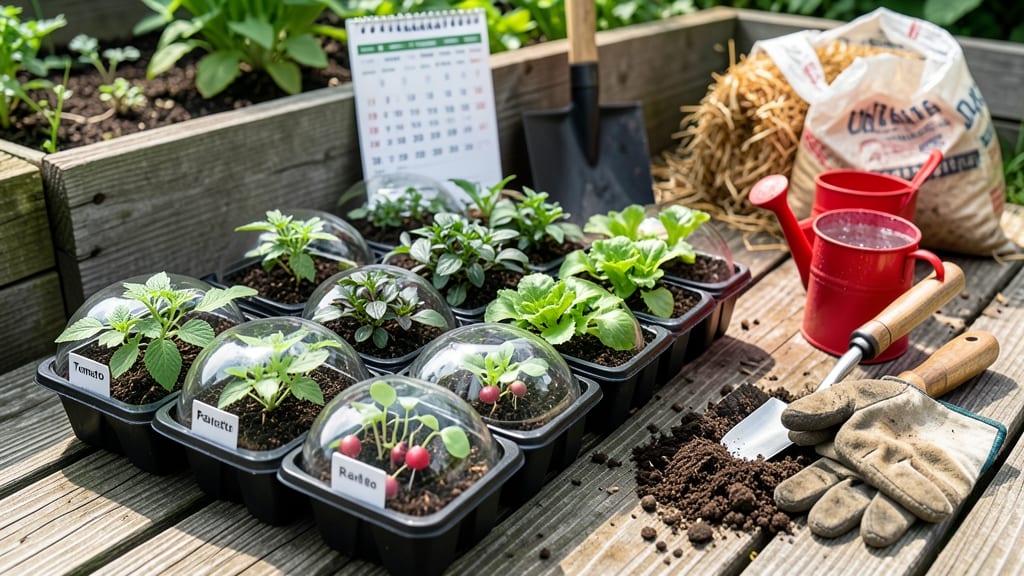
Should you plant your garden in Maryland when the soil warms to 50°F or risk a late frost wiping out your seedlings?
Maryland’s unpredictable spring weather can turn your gardening dreams into a gamble—unless you know the exact planting windows for your specific zone. Miss the mark, and you’ll risk frost damage or stunted growth.
From Baltimore’s coastal breezes to Western Maryland’s rolling hills, your planting timeline depends on whether you’re in USDA Zone 7a or 8a. Cool-season crops like lettuce and peas thrive in early spring, while tomatoes and peppers need to wait until after the last frost—usually late April to early May.
Below, I’ll break down the ideal planting schedule by month, zone-specific frost dates, and pro tips to extend your growing season—so you can enjoy a bountiful harvest from spring to fall.
Maryland planting deadlines by zone: frost dates and last frost averages
Maryland spans USDA zones 5A through 8A, meaning your last spring frost and first fall frost dates vary dramatically. In Zone 5A (Western Maryland), gardeners face 150-180 frost-free days, while Zone 8A (Eastern Shore) enjoys 240+ days.
These differences dictate when to plant cool-season crops like lettuce versus warm-season staples like tomatoes.
Using 2024 USDA data and local climate records from Maryland Extension, I’ve mapped out critical planting windows for each zone. The average last frost in Baltimore (Zone 7b) arrives April 15, but Western Maryland’s last frost can linger until May 10.
Meanwhile, the first fall frost hits October 31 in Zone 5A but waits until November 20 in Zone 8A.
Here’s your zone-by-zone planting timeline, including vegetable, flower, and perennial deadlines. Use these dates to avoid frost damage and maximize your harvest.
| Zone | Last Spring Frost | First Fall Frost | Cool-Season Planting | Warm-Season Planting | Frost-Free Days |
|---|---|---|---|---|---|
| 5A (Western MD) | May 10 | October 31 | March 15–April 15 | May 15–June 1 | 150–180 |
| 6A (Central MD) | April 20 | November 5 | March 1–April 1 | May 1–May 15 | 180–210 |
| 7A (Baltimore/DC) | April 15 | November 10 | February 28–March 31 | April 20–May 10 | 210–240 |
| 7B (Eastern MD) | April 1 | November 15 | February 15–March 15 | April 10–April 30 | 220–250 |
| 8A (Eastern Shore) | March 20 | November 20 | January 15–February 15 | March 20–April 10 | 240+ |
In Zone 5A, cool-season crops like kale and peas must hit the soil by March 15 to avoid frost. Wait until May 15 to plant tomatoes and peppers, as soil temperatures below 60°F stunt growth.
For Zone 8A, you can start warm-season plants as early as March 20, giving you an extra 60 days of harvest time.
For flowers and perennials, timing matters too. Tulips and daffodils should be planted in fall (October–November) for spring blooms, while annuals like marigolds thrive when seeded after your last frost date.
In Zone 6A, that’s April 20—but in Zone 7B, you can start two weeks earlier.
Pro tip: Use row covers to extend your cool-season planting by 2–3 weeks in zones 5A–6A. For example, spinach planted March 1 in Zone 6A can survive light frosts if covered. Always check soil temperature—40°F is ideal for cool crops, while warm-season plants need 65°F+.
Maryland’s microclimates add complexity. Urban areas like Baltimore (Zone 7b) warm faster than rural Western Maryland (Zone 5A). If you’re unsure, monitor local frost alerts from the Maryland Department of Agriculture or use
What to plant now in Maryland: month-by-month calendar for maximum yield
Maryland’s gardening season isn’t just about waiting for spring—it’s about strategic timing to beat frost and humidity. Cool-season crops like kale and spinach thrive in March’s chill, while tomatoes and peppers demand summer’s heat.
Even fall brings opportunities for broccoli and carrots before winter sets in. Let’s break down the month-by-month schedule tailored to Maryland’s USDA Zones 5A–8A.
Your planting calendar hinges on two critical dates: the last spring frost (typically late April to early May) and the first fall frost (mid-October to early November). These dates shift slightly across Maryland—Western counties like Frederick often have 1–2 weeks earlier last frosts than Baltimore.
Plan accordingly to avoid frost damage or wasted effort on stunted plants.
- March–April (Cool-Season Crops): Sow lettuce, peas, and radishes directly into soil. Start broccoli and cabbage indoors for transplanting after frost risk passes.
- May (Warm-Season Warm-Ups): Plant tomatoes, peppers, and beans after soil reaches 60°F. Use row covers for early starts in cooler zones (5A–6A).
- June–July (Peak Heat): Focus on heat-tolerant varieties like okra, sweet potatoes, and Southern peas. Succession plant basil every 2 weeks for continuous harvests.
- August (Fall Prep): Direct-sow spinach, kale, and turnips for fall harvests. Transplant broccoli and cauliflower 6–8 weeks before first frost.
- September–October (Winter Greens): Plant garlic and onions for next year’s harvest. Add cover crops like clover to protect soil and improve fertility.
For Maryland’s humid summers, prioritize heat-resistant varieties like ‘Celebrity’ tomatoes or ‘Malabar’ spinach. These thrive in 90°F+ temperatures when other plants bolt. Always mulch heavily to retain moisture and suppress weeds—critical in zones like 7B–8A where summers linger longer.
Don’t overlook succession planting! In Maryland, you can often squeeze in 2–3 harvests of fast growers like bush beans or radishes by sowing every 2 weeks. This maximizes your yield without expanding your garden bed. Pair it with intercropping—plant lettuce between tomato plants to utilize space efficiently.
Pro tip: Use frost cloth or cold frames to extend your season by 2–4 weeks in cooler zones. This lets you plant cool-season crops earlier in spring or warm-season crops later in fall. Just remove covers during the day to avoid overheating.
By following this month-by-month guide, you’ll turn Maryland’s unpredictable climate into an advantage—harvesting fresh produce from spring greens to fall squash and even winter garlic. Happy planting! 🌱