
Planting
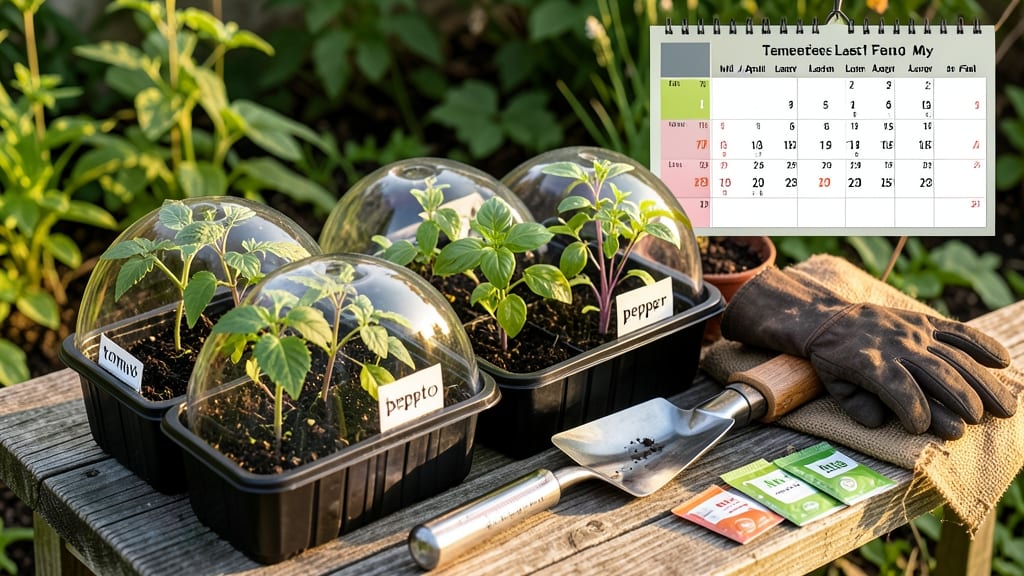
The best time to plant a garden in Tennessee depends on your USDA zone—whether you’re in the cooler Appalachian foothills or the warmer Nashville plains—but the window is tight for maximum yields.
Picture this: You’ve cleared the bed, ordered seeds, and the soil is finally warm—only to watch your tomatoes bolt in June heat because you planted too early. Or your fall greens bolt by September because you missed the cool-season cutoff.
Tennessee’s climate swings make timing everything, and most gardeners miss the sweet spot by weeks.
From Zone 6a’s late-March starts to Zone 8a’s February kickoff, the right moment varies by crop—cool-loving greens vs. heat-hungry peppers—and even microclimates like Nashville’s urban heat islands.
This guide cuts through the guesswork with a zone-by-zone calendar, frost dates, and pro tips to avoid the most common planting mistakes.
You’ll learn exactly when to sow each crop for peak harvests, how to extend your season with row covers, and which heat-sensitive plants to start indoors. No more wasted seeds or bolted greens—just a garden that thrives from spring to fall.
Tennessee planting calendar by Zone: frost dates and ideal months for every crop
Tennessee’s USDA zones 5b through 8a create a patchwork of planting opportunities, where Appalachian highlands freeze later than Middle Tennessee valleys. Getting your timing right means the difference between bountiful harvests and wilted seedlings.
Let’s break down the critical frost dates and perfect planting windows for your zone to maximize your garden’s potential.
Whether you’re in Zone 5b’s cooler mountains or Zone 8a’s warmer western plains, understanding these microclimates helps you choose between heat-loving tomatoes and cool-season greens. Below, I’ll share the exact months to start seeds indoors, direct-sow outdoors, and extend your season with smart techniques.
Pro Tip: Always check your local last frost date—it can vary by 1–3 weeks even within the same zone. Use the National Weather Service or local Cooperative Extension for precise data.
| USDA Zone | Last Frost Date (Avg.) | Best Planting Windows | Heat-Sensitive Crops (Start Indoors) | Heat-Tolerant Crops (Direct Sow After Frost) |
|---|---|---|---|---|
| Zone 5b | March 15–April 15 | Cool crops: Mar 1–Apr 15 Heat crops: May 15–Jun 1 |
Tomatoes, Peppers, Eggplants (Mar 1) | Beans, Cucumbers, Corn (May 15) |
| Zone 6a | April 1–April 15 | Cool crops: Feb 15–Apr 1 Heat crops: Apr 15–May 15 |
Tomatoes, Peppers (Feb 20) | Okra, Sweet Potatoes, Melons (Apr 15) |
| Zone 7a | March 15–April 1 | Cool crops: Jan 15–Mar 15 Heat crops: Mar 15–Apr 15 |
Peppers, Basil (Feb 1) | Southern Peas, Squash, Peanuts (Mar 15) |
| Zone 8a | February 15–March 1 | Cool crops: Dec 1–Feb 15 Heat crops: Feb 15–Mar 15 |
Tomatoes, Okra (Jan 1) | Sweet Corn, Peppers, Eggplants (Feb 15) |
In Zone 5b, where Appalachian frosts linger, start tomatoes and peppers indoors by March 1 to avoid transplant shock. Direct-sow beans and cucumbers only after May 15, when soil warms to 60°F.
Meanwhile, Zone 8a gardeners can push the envelope by planting cool crops like spinach in December and heat-lovers like okra in February.
For cool-season crops (e.g., lettuce, peas, broccoli), aim to plant 4–6 weeks before your last frost date. These hardy greens thrive in 50–60°F soil and can handle light frosts.
In contrast, heat-sensitive plants like tomatoes and peppers need soil temps above 60°F—wait until 2 weeks after your last frost or use row covers to warm the soil faster.
Don’t overlook fall planting! In Zone 7a and 8a, sow kale, spinach, and carrots by August 15 for winter harvests. These cool-weather crops sweeten after frost, making them a garden favorite for late-season bounty.
Use low tunnels or row covers to extend harvests into December or even January in milder zones.
If you’re in Zone 6a, like Nashville or Knoxville, March
5 Critical mistakes Tennessee gardeners make with planting timing (and how to fix them)
Even experienced Tennessee gardeners sometimes fall into timing traps that stunt growth or waste seeds. One of the biggest mistakes? Planting heat-loving crops like peppers and tomatoes too early in Zones 5b–6a. Cold soil and nighttime chills stress these plants, stalling their development by weeks—or worse, killing them entirely.
Another common error is ignoring soil temperature rather than just air temperature. A soil thermometer ($10 at garden centers) reveals when your beds are truly ready. For example, cucumbers need soil at 70°F+ to thrive, while lettuce can handle cooler 50°F–60°F soils.
⚠️ callout warning ⚠️
🚨 3 Planting Timing Mistakes to Fix NOW
- Mistake: Planting tomatoes before soil hits 60°F (Zones 5b–6a). Fix: Start seeds indoors 6–8 weeks before last frost; transplant after May 15.
- Mistake: Skipping fall planting in Zone 8a. Fix: Sow kale/spinach by August 15 for winter harvests.
- Mistake: Assuming all zones share frost dates. Fix: Check local data—Nashville’s last frost is March 20, while Chattanooga’s is March 5.
Pro tip: Use floating row covers to extend early spring planting by 3–4 weeks in Zones 5b–6a.
Rushing fall crops is another pitfall. Many gardeners in Zone 7a–8a assume they can plant cool-season veggies anytime after summer—but broccoli and cauliflower need 60+ frost-free days to mature. Plant them by August 1 in Zone 7a to avoid bolting before harvest.
Overlooking microclimates within Tennessee also causes problems. A south-facing slope warms up 1–2 weeks earlier than a shady valley. Test your spots: Place a thermometer in potential beds for 3 days to compare temperatures. This helps decide where to plant early tomatoes vs. cool-season greens.
Finally, some gardeners over-plant in spring, assuming they’ll have time to succession plant. But bush beans and zucchini bolt quickly in Tennessee’s heat. Plan to sow every 2 weeks from May through July for continuous harvests—this prevents gluts and ensures you don’t miss the window.
By fixing these timing mistakes, you’ll see 30–50% better yields and fewer wasted seeds. Start with a soil thermometer and local frost date data—your plants (and your harvest) will thank you! 🌱