
Planting
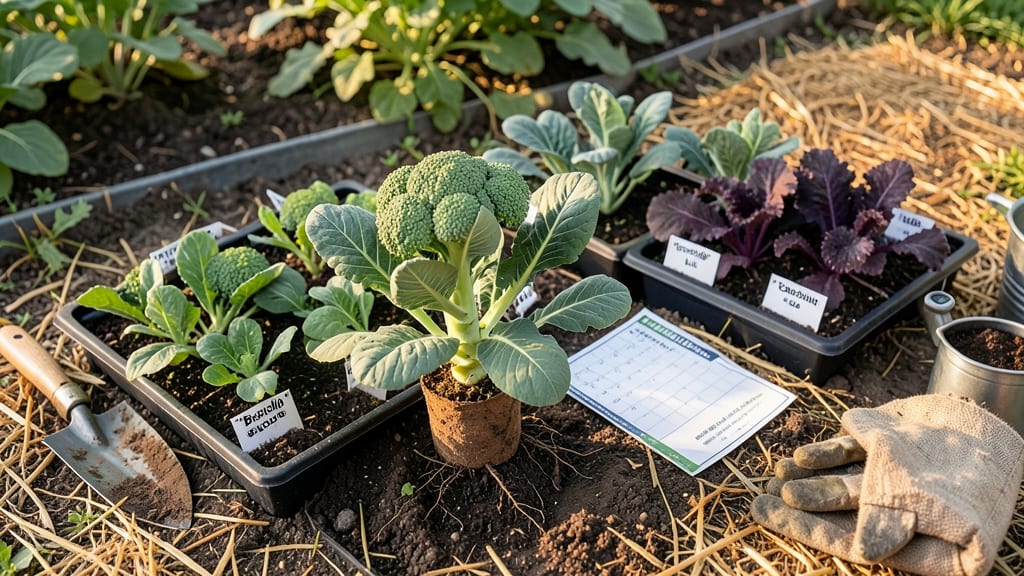
Planting your fall garden in Florida between August and October is the key to a bountiful harvest—whether you're in North Florida or down in the frost-free zones.
Florida’s warm winters and long growing season make fall gardening a goldmine—but timing is everything. Plant too early, and your 🥬 Fall Garden Vegetables bolt; too late, and you miss the sweet spot for maximum yield.
With the right schedule, you can enjoy fresh greens, root crops, and herbs well into winter.
Unlike northern states, Florida’s USDA Zones 8a-11 mean you don’t have to worry about frost ruining your harvest. But microclimates still play a role—North Florida’s cooler pockets need earlier starts, while South Florida can stretch planting into September.
I’ll break down the exact windows for your region, plus the best crops for your fall garden.
Ready to get growing? You’ll learn the perfect planting calendar, soil prep secrets, and how to extend your harvest into December—without the guesswork.
Florida fall planting calendar by USDA zones (8A-10A)
Florida’s fall gardening season runs from August through November, offering a perfect window to grow cool-season crops before winter sets in. Unlike northern states, Florida’s USDA zones 8A-10A rarely see frost, but temperature drops and daylight changes signal it’s time to shift from summer crops to heartier varieties.
The key is planting at the right time—too early, and your leafy greens bolt; too late, and root vegetables mature too slowly. Here’s your zone-specific schedule to maximize yields.
North Florida (Zone 8A) has the shortest growing season, with first frost risks as early as mid-December. Central Florida (Zone 9A) enjoys longer harvests, while South Florida (Zone 10A) can grow year-round with minimal adjustments.
The ideal planting window shifts slightly north to south: August-September for Zone 8A, July-September for Zone 9A, and June-August for Zone 10A. Use this calendar to align your planting dates with Florida’s microclimates and avoid common pitfalls like overcrowding or poor soil prep.
| Month | Zone 8A (North FL) | Zone 9A (Central FL) | Zone 10A (South FL) | Notes |
|---|---|---|---|---|
| July | Start warm-season crops (tomatoes, peppers) for early fall harvest | Plant okra, sweet potatoes, cowpeas; transition to cool-season prep | Direct-sow carrots, radishes, turnips; transplant broccoli, cabbage | South FL can grow year-round; prioritize shade-tolerant crops |
| August | Sow leafy greens (kale, spinach); transplant broccoli, Brussels sprouts | Direct-sow lettuce, mustard greens, collards; transplant cauliflower | Plant green beans, peas, Swiss chard; succession-sow radishes | Use row covers to protect young seedlings from heat stress |
| September | Transplant cabbage, onions, garlic; sow turnips, beets | Direct-sow carrots, parsnips, leeks; transplant herbs (cilantro, dill) | Plant kohlrabi, rutabagas, endive; extend warm-season crops with shade | Soil temps drop—mulch heavily to retain warmth |
| October | Final succession plantings of spinach, arugula; harvest cool-season crops | Sow garlic (for spring harvest); transplant overwintering herbs | Direct-sow winter radishes, peas; protect tender crops with row covers | Zone 8A: Watch for light frosts—use cold frames for sensitive crops |
| November | Harvest remaining greens; plant cover crops (clover, rye) | Extend season with hoop houses for lettuce, kale | Plant spring onions, cabbage for early harvests; mulch heavily | All zones: Soil test and amend for spring planting |
For Zone 8A, focus on fast-maturing crops like radishes (25 days) and turnips (50 days) to harvest before temperatures dip. In Zone 9A, you can stretch your season with cold frames or low tunnels, allowing broccoli and cabbage to thrive through December.
Meanwhile, Zone 10A gardeners enjoy the luxury of year-round planting, but even here, September-October is ideal for cool-season staples like Swiss chard and collard greens, which handle Florida’s mild winters with ease.
Pro tip: Direct-sow small seeds like carrots and lettuce in well-prepped soil with a fine texture to avoid forking roots. For transplants, harden
Best fall crops for Florida’s climate and how to extend their season
Florida’s fall season offers perfect conditions for growing cool-season crops like leafy greens, root vegetables, and herbs that thrive in milder temperatures. Unlike northern states, Florida’s frost-free winters let you harvest well into December—if you choose the right varieties and use season-extending techniques.
My top picks include collard greens, carrots, turnips, and cilantro, which all handle Florida’s humidity and occasional light frosts in North Florida.
To maximize your harvest, focus on crops that mature quickly (30–60 days) so you can enjoy fresh produce before winter slows growth. For example, radishes and bush beans are perfect for early fall plantings, while broccoli and cabbage can be coaxed to maturity with a little extra care.
The key? Planting at the right time and protecting tender crops from unexpected temperature drops.
- 🌱 Start leafy greens (kale, spinach, lettuce) in August–September for North Florida, or July–August in Central/South Florida. These bolt quickly in summer heat, so timing is critical.
- 🥕 Plant root crops (carrots, beets, turnips) in September–October for a winter harvest. Loosen soil to prevent forking, and water consistently to avoid woody textures.
- 🌿 Sow herbs (cilantro, dill, parsley) in September for a fresh supply. Cilantro, in particular, thrives in cooler weather and detests summer’s heat.
- 🍅 Extend the season for tomatoes and peppers by planting heat-tolerant varieties (e.g., 'Celebrity' tomato or 'Jalapeño') in August and using row covers in November to shield from cold snaps.
- 🌡️ Use cold frames or low tunnels to protect crops like broccoli and cauliflower from light frosts (common in North Florida after December 15). These structures can add 5–10°F of warmth.
- 🌱 Practice succession planting every 2–3 weeks for crops like lettuce and radishes to ensure a continuous harvest. This works especially well in Florida’s mild winters.
- 💧 Mulch heavily with straw or pine needles to insulate soil and retain moisture. This is crucial in Florida’s humid climate, where evaporation rates stay high.
One of my favorite tricks for extending the season is using floating row covers (also called hoop houses). These lightweight fabrics let sunlight and water through while shielding plants from light frosts and pests like cabbage worms.
For example, I’ve kept broccoli growing well into January in North Florida by covering it with a frost blanket during cold snaps. Just remember to remove covers during the day to prevent overheating.
If you’re in South Florida (Zones 10A–11), your options are even broader—you can grow cool-season crops year-round with minimal protection. However, even here, a light frost warning (rare but possible) means acting fast.
For instance, spinach and collards can handle 28°F for short periods, but lettuce will wilt at 30°F. Always check the National Weather Service for alerts and have row covers ready.
For herbs, cilantro and dill are my go-to fall plants—they thrive in cooler weather and add a bright flavor to winter dishes. To keep them productive, harvest outer leaves regularly and avoid letting them bolt.
If you’re growing parsley, plant it in September for a slow but steady harvest. These herbs also make excellent container plants, perfect for patios or balconies where space is limited.
Finally, don’t overlook succession planting as your secret weapon. By sowing radishes or bush beans every 2 weeks from August through October, you’ll enjoy a steady supply of fresh produce. This method works especially well in Florida’s frost-free zones, where you can keep planting until late fall.
Just keep an eye on soil moisture—Florida’s sandy soils dry out quickly, so drip irrigation or soaker hoses are a game-changer.