
Planting
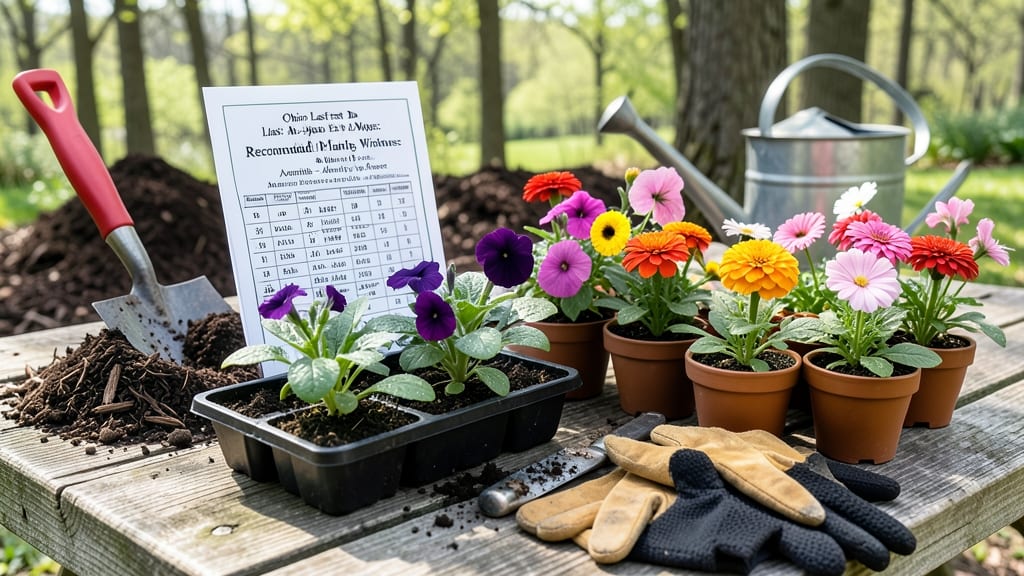
You can plant flowers in Ohio once the soil warms to 50°F and the last frost has passed — typically mid-April to early June for most regions.
Ohio’s unpredictable spring weather can leave gardeners guessing—plant too early, and frost will kill your flowers; too late, and you miss peak bloom season. But with precise USDA Zone 5-6 planting dates, you can time your flower garden for maximum success.
From dwarf petunias to towering sunflowers, Ohio’s climate supports a wide variety of blooms, but the key is knowing when to start seeds indoors versus transplanting young plants. Whether you’re a backyard gardener or managing a community plot, these timing tips will help you avoid common pitfalls.
Below, I’ll break down the exact planting windows for annuals, perennials, and bulbs, plus how to adjust for Ohio’s microclimates—so you can enjoy vibrant 🌸 all season long.
Ohio flower planting calendar: exact dates by USDA Zone 5-6 regions
Ohio’s USDA Zones 5-6 create distinct planting windows that can make or break your flower garden. In Zone 5 (northern Ohio), average last frost dates range from April 15-30, while Zone 6 (southern Ohio) typically sees frost-free conditions by April 1-15.
These dates shift slightly each year, so always check local forecasts before planting your heat-loving annuals or cold-hardy perennials.
For spring planting, most Ohio gardeners can start hardy annuals like pansies and snapdragons indoors by mid-March.
Transplant these tender seedlings outdoors after the last frost, usually mid-April to early May. Perennial flowers like coneflowers and black-eyed Susans can go directly into the ground as early as late March in Zone 6 or early April in Zone 5, once soil temperatures reach 50°F.
Here’s your month-by-month planting guide tailored to Ohio’s climate zones, including adjustments for microclimates like urban heat islands or sheltered valleys.
| Month | Zone 5 (Northern OH) | Zone 6 (Southern OH) | Plant Type | Notes |
|---|---|---|---|---|
| March | Start pansies, snapdragons indoors; plant crocus, daffodils bulbs | Start petunias, marigolds indoors; plant tulip bulbs | Bulbs, cool-season annuals | Use frost cloth for tender seedlings |
| April | Transplant pansies, calendula after April 15; direct sow lupines, columbine | Plant geraniums, cosmos after April 1; sow sunflowers | Hardy annuals, perennials | Wait for soil to warm to 50°F |
| May | Plant zinnias, black-eyed Susans; transplant tomatoes (not flowers, but useful for spacing) | Direct sow marigolds, sweet alyssum; plant dahlias tubers | Heat-loving annuals, tender perennials | Mulch to retain moisture |
| June | Sow sunflowers, cosmos for late summer bloom | Plant cleome, celosia for summer color | Summer-blooming annuals | Water deeply 2-3x/week |
| August | Start pansies, snapdragons indoors for fall | Sow stock, larkspur for fall color | Fall annuals | Use shade cloth if planting early |
| September | Plant aster, goldenrod; transplant mums | Direct sow sweet peas for spring | Fall-blooming perennials | Add compost for winter hardiness |
For fall planting, Ohio gardeners can extend the season by sow
Best flowers to plant in Ohio by season: cold-hardy vs. heat-loving varieties
Ohio’s diverse climate—from chilly springs to hot summers—means you’ll need a mix of cold-hardy and heat-loving flowers to keep your garden blooming year-round. The key is matching each flower’s USDA Zone 5-6 tolerance with Ohio’s seasonal shifts, ensuring vibrant blooms from spring through fall.
Whether you’re planting annuals for instant color or perennials for long-term beauty, timing and location matter most.
For spring bloomers, focus on cold-hardy varieties like tulips and daffodils, which thrive in Ohio’s Zone 5-6 and tolerate late frosts. These bulbs should be planted in fall (September-October) to establish roots before winter.
In contrast, summer flowers like black-eyed Susans and coneflowers love Ohio’s hot, humid conditions and should go in after the last frost, typically mid-April to early May.
🌱 Here’s how to choose the right flowers for each season and their ideal planting times in Ohio:
- Cold-Hardy: Tulips, Daffodils, Bleeding Heart (plant bulbs in fall)
- Sun Needs: Partial to full sun (4-6+ hours)
- Soil Prep: Well-draining, amended with compost
- Heat-Loving: Black-Eyed Susan, Coneflower, Marigolds (plant after last frost)
- Sun Needs: Full sun (6+ hours)
- Watering: Deep watering 2-3x/week during droughts
- Cold-Tolerant: Chrysanthemums, Asters, Pansies (plant in late summer)
- Sun Needs: Full to partial sun
- Soil Tip: Add mulch to protect roots from early frosts
For container gardening in Ohio, opt for petunias or geraniums—both handle heat and thrive in pots. These heat-loving annuals can be planted as early as late May once soil warms to 55°F.
Meanwhile, perennials like bee balm and shasta daisies are cold-hardy and perfect for border gardens, returning every year with minimal care.
Pro tip: Group heat-loving flowers together in south-facing beds to maximize sun exposure, while shade-tolerant varieties like hostas or columbines thrive under trees. Always check last frost dates (typically April 15 in most of Ohio) before planting tender annuals to avoid frost damage.
🌿 By blending cold-hardy and heat-loving flowers, you’ll create a nonstop bloom season—from spring’s delicate tulips to fall’s vibrant chrysanthemums. Start with 3-5 varieties per season, and adjust based on your garden’s microclimate for the best results.