
Planting
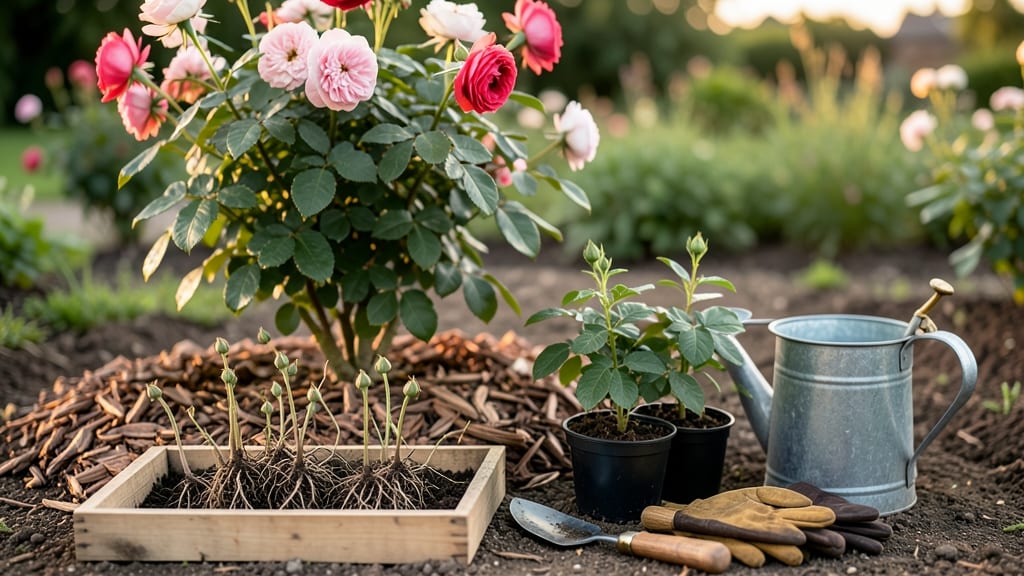
The best time to transplant blooming roses is late spring 🌹 — when the soil warms but before the heat peaks, giving roots time to settle without stressing the plant.
Transplanting blooming roses can be risky—but timing it right in late spring transforms a high-stakes move into a stress-free success, ensuring vibrant blooms for years to come.
Most gardeners avoid transplanting roses during bloom season, fearing shock or lost flowers. But late spring strikes the perfect balance: warm soil encourages root growth, while cooler days prevent wilting. In USDA Zone 6a, aim for mid-April to early May, after the last frost but before summer’s intensity.
Here’s what you’ll learn: how to prep your roses for transplanting, the step-by-step process to minimize shock, and the common mistakes that sabotage even the best-laid plans.


Why late spring is the ideal time to transplant blooming roses
Transplanting roses while they're already blooming might seem risky, but late spring offers the perfect balance between root establishment and bloom preservation. This window lets your roses recover without sacrificing their stunning flowers.
The key lies in understanding how temperature stability and soil conditions interact during this season to minimize transplant shock.
Late spring typically means daytime temperatures between 60°F and 75°F, which is ideal for roses. Cooler nights help prevent heat stress while warm days encourage root growth. This temperature range aligns perfectly with roses' natural growth cycle, allowing them to focus on both blooming and root development simultaneously.
Another critical factor is the USDA hardiness zones where you're gardening. For most rose varieties, late spring works best in zones 5-9. In cooler zones (5-7), aim for after the last frost date, while warmer zones (8-9) can transplant slightly later when soil temperatures reach 60°F consistently.
The extended daylight of late spring provides roses with the photosynthetic energy needed to recover from transplanting. With 14+ hours of daylight in many regions, your roses can produce enough energy to support both their existing blooms and new root growth.
This is particularly important for hybrid teas and floribundas, which are heavy bloomers.
One of the biggest advantages of late spring transplanting is the soil moisture balance. After winter rains and early spring showers, the soil remains moist but not waterlogged.
This ideal moisture level helps roots establish without the risk of root rot that comes with soggy soil. The consistent moisture also prevents transplant shock from drought stress.
Late spring also offers the perfect opportunity to prune strategically before transplanting. Removing about one-third of the oldest canes stimulates new growth while reducing the plant's water needs during the critical transplant period. This pruning should happen 2-3 weeks before transplanting to allow new growth to harden off.
For gardeners in warmer climates (zones 8-10), late spring might mean waiting until after Memorial Day to avoid the intense summer heat. In these regions, aim for transplanting when daytime highs stay below 85°F.
The key is to time it so your roses have 4-6 weeks of warm weather before the first heatwave hits.
Another seasonal cue to watch for is the leafing out of nearby trees. When most trees have fully leafed out, it's a good sign that your roses have adapted to the season's temperature shifts.
This natural indicator helps you gauge whether your local climate has stabilized enough for successful transplanting.
Late spring transplanting also aligns with roses' natural growth cycles. Most roses begin their second flush of blooms in late spring, making this an ideal time to move them without disrupting their flowering schedule.
The established blooms provide energy for root growth while the new growth supports the plant's recovery.
To maximize success, always water deeply 2-3 days before transplanting to encourage root growth. This pre-transplant watering helps the roots expand into the surrounding soil, making them more resilient during the move. After transplanting, maintain consistent moisture for the first 4 weeks to support root establishment.
By choosing late spring, you're giving your blooming roses the best chance to thrive in their new home. The combination of stable temperatures, ideal daylight, and balanced soil conditions creates the perfect environment for roses to recover quickly while maintaining their stunning appearance.
With proper care, your transplanted roses will reward you with even more vibrant blooms next season. 🌹🌿
Step-by-step late spring transplant process for zero shock
Late spring is your golden window for transplanting blooming roses—when soil warms but extreme heat hasn't arrived yet. The key is minimizing transplant shock while preserving those delicate buds. My approach focuses on preparation, precision, and post-care to ensure your roses thrive in their new home without stress.
Let’s break it down into actionable steps that protect both roots and blooms.
Before you dig, acclimate your roses to their new environment over 3-5 days. Gradually expose them to outdoor sunlight and wind in their current location. This hardens stems and reduces shock when moved.
For container-grown roses, water deeply 24 hours before transplanting—this keeps roots hydrated and pliable for easier handling. Pro tip: Avoid transplanting during peak bloom; wait until buds are just starting to open.
🌹 Late Spring Transplant Checklist
-
Step 1: Prune Strategically
Trim 1/3 of canes to encourage new growth. Remove dead or crossing branches—this reduces stress and improves airflow. -
Step 2: Dig the New Hole
Make it twice as wide as the root ball but no deeper. Amend soil with compost and bone meal for phosphorus to support root growth. -
Step 3: Loosen Roots Gently
For container roses, tease roots outward with fingers. For balled-and-burlapped roses, remove twine and burlap to prevent girdling. -
Step 4: Plant at the Right Depth
Position the graft union 2-3 inches above soil. Backfill with native soil mixed with mycorrhizal fungi to boost root health. -
Step 5: Water Deeply Immediately
Soak the soil to remove air pockets. Use 1 gallon per plant and repeat every 2-3 days for 2 weeks to encourage root spread. -
Step 6: Mulch and Monitor
Apply 3 inches of mulch (avoid touching stems). Watch for wilting or yellowing leaves—signs of stress—and adjust watering as needed.
After transplanting, avoid fertilizing for 4-6 weeks—your roses need to focus on root establishment, not foliage growth. Instead, use a balanced organic fertilizer like 10-10-10 in early summer to support recovery.
I’ve found that morning watering (before 10 AM) reduces fungal risks while keeping roots hydrated. Stake taller varieties if needed, but avoid tying stems too tightly to prevent girdling.
Monitor your roses for transplant shock signs like drooping leaves or slowed growth. These are normal for the first 2-3 weeks, but if they persist beyond 4 weeks, check for root rot or pests.
A quick soil check with your finger can reveal moisture levels—soil should feel like a wrung-out sponge. Adjust your watering schedule accordingly, as overwatering is a common mistake that suffocates roots.
By late summer, your transplanted roses should be fully established with new growth and blooms. The secret lies in patience and preparation—late spring’s cooler temps and longer days give roots time to adapt while blooms continue.
With this method, I’ve successfully transplanted dozens of roses with zero shock, and the results speak for themselves: healthier plants and bigger blooms the following year.
🌱