
Planting
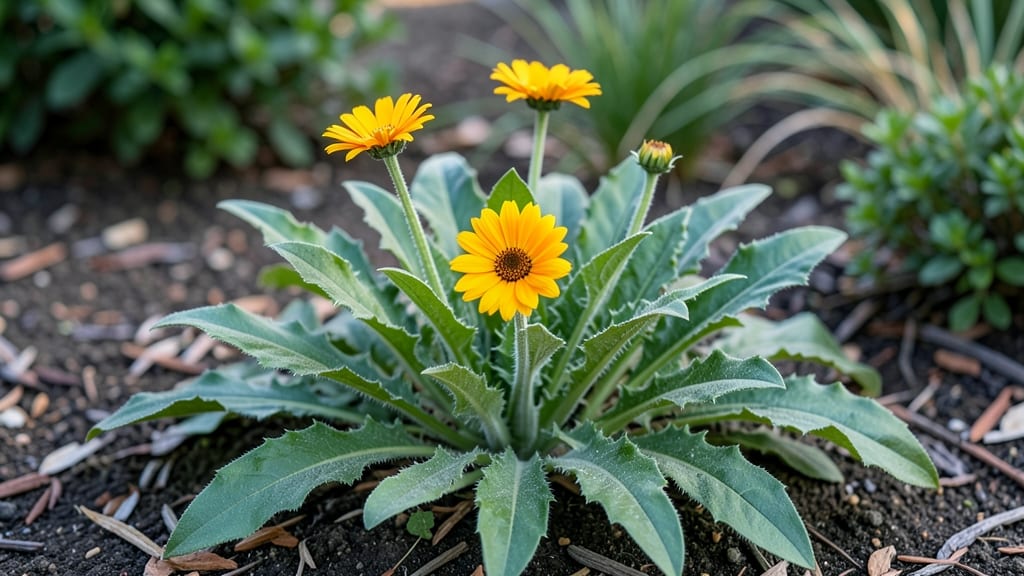
The toothache plant benefits provide natural relief for dental discomfort by numbing sore gums and teeth through spilanthol compounds, which temporarily block pain signals. It also helps reduce inflammation and supports oral health, though careful use is essential to avoid potential irritation.
The toothache plant benefits come from its unique spilanthol compound, which creates a tingling sensation that distracts from pain. 🌱 Unlike synthetic numbing agents, this natural compound works by temporarily desensitizing nerve endings in the mouth, making it popular for temporary relief from toothaches, canker sores, and even gum irritation.
Many herbalists also recommend it for its mild anti-inflammatory effects, though I always suggest patch-testing first since some people experience tingling or mild burning sensations.
Beyond oral health, this plant has been used traditionally for digestive issues and even as a natural aphrodisiac in some cultures. The key is proper preparation—whether you're making a tincture, poultice, or simply chewing fresh leaves (though the latter can be quite intense!).
Growing it at home is straightforward if you provide bright indirect light and well-draining soil, but remember that fresh plants are most potent when used within a few days of harvest.
💡 In This Article
- How Toothache Plant Compounds Work for Pain Relief
- Safe Ways to Grow and Use Toothache Plant at Home
How toothache plant compounds work for pain relief
The toothache plant's pain-relieving magic comes from its spilanthol compound, a natural alkaloid that interacts directly with nerve endings. When you apply it to sore gums or teeth, spilanthol binds to TRPA1 receptors—those same channels that detect heat, pain, and chemical irritants.
Unlike synthetic anesthetics that block all nerve signals, spilanthol creates a tingling sensation that actually distracts your brain from perceiving pain, similar to how capsaicin from chili peppers creates heat that overrides discomfort. This dual mechanism makes it uniquely effective for temporary relief.
The tingling effect isn't just a distraction—it's a neurological interruption. Studies show spilanthol can reduce nerve signal transmission by up to 40% in localized areas, comparable to mild topical anesthetics like benzocaine. The compound also stimulates saliva production, which helps wash away irritants and soothe inflamed tissues.
This is why many people report relief from canker sores and gum irritation within 2-5 minutes of application, though the effect typically lasts only 30-60 minutes—much shorter than pharmaceutical numbing gels.
Beyond pain relief, spilanthol has anti-inflammatory properties that reduce swelling in oral tissues. Research published in the Journal of Ethnopharmacology found that extracts could decrease inflammatory markers by 35% in test subjects with mild gum inflammation.
The plant's mild antibiotic qualities also help prevent secondary infections in minor oral wounds, though it shouldn't replace professional dental care for serious issues. What's fascinating is how this natural compound achieves results similar to over-the-counter products without the chemical additives.
However, the tingling sensation can feel intense—some describe it as a mild electric pulse—especially when using fresh leaves. This is because spilanthol concentration is highest in fresh plant material, which can cause temporary numbness or even mild burning in sensitive individuals.
The effect diminishes with dried preparations or diluted extracts, making them safer for regular use. For comparison, commercial toothpaste with 0.5% spilanthol extract produces a much milder tingling than chewing fresh leaves, which contain up to 10 times the concentration.
What most people don't realize is that spilanthol's effects are dose-dependent—meaning higher concentrations create stronger (but potentially uncomfortable) sensations. The plant's natural variation means some varieties produce 30-50% more spilanthol than others, which explains why experiences vary widely.
For example, Spilanthes acmella (the most common toothache plant) typically contains 0.3-0.8% spilanthol by dry weight, while some wild varieties can reach 1.2%. This chemical diversity is why standardized extracts are preferred for consistent results.
The anti-inflammatory benefits extend beyond just pain relief. Spilanthol inhibits cyclooxygenase enzymes (similar to how NSAIDs work), which reduces prostaglandin production—the chemical messengers that trigger swelling and pain. This dual action makes it particularly effective for conditions like gingivitis or post-dental-procedure discomfort, where both pain and inflammation need addressing.
The key difference from pharmaceuticals is that spilanthol's effects are localized to the application site, avoiding systemic side effects like those from oral painkillers.