
Planting
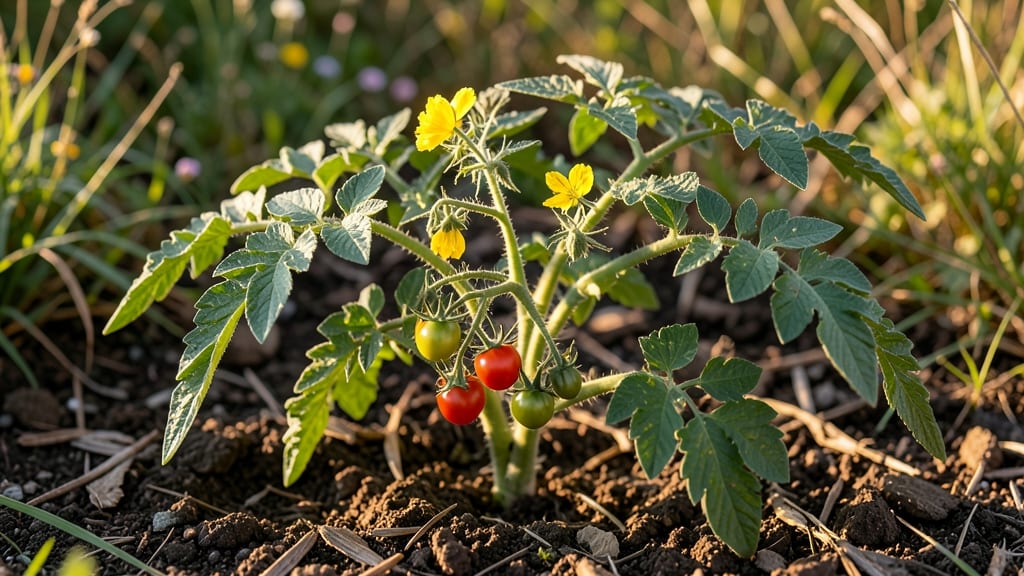
When your tomato plant starts flowering, the real magic begins—but pruning now determines whether you get a handful of giant tomatoes or a bush full of tiny ones. 🌱 I’ve learned the hard way that skipping this step means sacrificing both size and quantity, no matter how much you water.
The key is balancing growth and fruit production so the plant doesn’t get overwhelmed.
First, trim suckers (those little shoots between the stem and branches) to redirect energy to existing fruit. Use sharp pruners to avoid tearing stems, and remove leaves touching the soil to prevent disease.
If your tomatoes aren’t pollinating naturally—common in greenhouses or rainy weather—gently shake the plant or use a paintbrush to transfer pollen. Staking or caging now prevents sprawl as fruit gets heavier.
Watch for blossom end rot (dark spots on fruit) and boost calcium with crushed eggshells or a balanced fertilizer. Prune aggressively on indeterminate varieties but leave more on determinate types, which fruit all at once.
You’ll see thicker stems, stronger branches, and fruit that ripens faster—sometimes in just 2-3 weeks after proper pruning.
This works for both backyard gardens and container growers, though smaller pots may need extra support. The goal is a plant that looks like it’s struggling less and producing more. Once you’ve mastered this stage, your harvests will be the talk of the neighborhood.
📚 In This Guide
- What you need
- Instructions
- Tips and common mistakes
- Wrapping up and next steps
What you need
- ○ Pruning shears: Sharp, bypass-style shears (avoid dull tools—they crush stems!). Optional: Small, clean scissors for delicate cuts.
- ● Gloves: A pair of gardening gloves (nitrile or leather) to protect your hands from thorns and dirt.
- ● Disinfectant: Rubbing alcohol (70% isopropyl) or a bleach solution (1 part bleach to 9 parts water) to sterilize tools and prevent disease.
- ○ Pruning paste (optional): Helps seal cuts and prevent infection. Look for non-toxic, fast-drying brands.
- ● Sturdy container or bucket: For collecting pruned branches and debris.
- ● Healthy tomato plant: Ensure your plant is free of pests (aphids, whiteflies) and diseases (blight, wilt). Inspect leaves and stems before pruning.
- ● Sunny day: Choose a mild, overcast day to avoid stressing the plant. Early morning is ideal!
- ● Water: A watering can or hose with a gentle spray nozzle to hydrate the plant before and after pruning.
- ● Support system (if needed): If your plant isn’t staked or caged yet, grab a tomato cage, stakes, or trellis to support new growth.
When and how to prune tomato flowers for a bigger harvest
Here's the simple, science-backed method I use to redirect tomato energy into fewer but far larger fruits.
☀️ Step 1: Wait for the Right Time to Prune
Don't rush—wait until your tomato plants have 4-6 true leaves and at least 2-3 main stems (called suckers). This ensures the plant has enough energy to support both growth and fruit production. Look for small white flower clusters forming in the leaf axils (where the stem meets the leaf).
If you prune too early, you'll stunt the plant's growth. If you wait too long, the plant will already be putting energy into fruit, making pruning less effective. The ideal moment is when you see first flower buds but no open blooms yet. This gives the plant time to recover and redirect energy.
✂️ Step 2: Identify and Remove Suckers
Suckers are the small shoots growing in the V-shaped junction between the main stem and a branch. These compete with your fruit for energy, so you'll want to remove them. Use your fingers or clean pruners to pinch them off at the base—don't leave a stub, or it'll regrow.
Focus on removing suckers below the first flower cluster. This ensures the plant puts its energy into developing fruit rather than growing more foliage. If you're growing indeterminate tomatoes (the ones that keep growing all season), you'll need to repeat this process every 1-2 weeks as new suckers form.
🌱 Step 3: Prune Lower Leaves for Airflow
Once flowering starts, remove any leaves below the first flower cluster—these are the lowest 6-12 inches of the plant. This improves airflow, which reduces disease risk and helps the plant focus energy on fruit development. Use clean pruners to cut just above a leaf node (the bump where leaves grow).
Avoid over-pruning—never remove more than 1/3 of the plant's foliage at once. You'll see the plant's growth slow temporarily, but within a week, new leaves will emerge, and the plant will redirect energy to the remaining flowers and fruit. This step is especially important in humid climates where diseases like blight spread quickly.
💧 Step 4: Adjust Watering and Fertilizing
After pruning, reduce watering slightly to prevent stress on the plant. You want the soil to stay evenly moist but not soggy—check the top 1 inch of soil daily. Overwatering after pruning can lead to root rot, especially in containers where drainage is limited.
Switch to a low-nitrogen, high-phosphorus fertilizer (like a 5-10-10 blend) to support flowering and fruiting. Apply it every 2-3 weeks after pruning, following the package instructions. Avoid high-nitrogen fertilizers now—they encourage leafy growth at the expense of fruit production.
⏰ Step 5: Monitor and Repeat as Needed
Check your plants every 3-4 days for new suckers or excessive leaf growth. If you see new suckers forming, remove them immediately—this keeps the plant focused on fruit production. Pay attention to the color of the leaves: healthy leaves are deep green, while yellowing or curling leaves signal stress or nutrient issues.
If you notice dropped flowers or small fruit, it could mean the plant needs more calcium (try a side dressing of crushed eggshells) or better pollination (gently shake the plant or use a small brush to transfer pollen). With consistent pruning, you'll see larger, fewer but higher-quality tomatoes within 4-6 weeks.
Tips & tricks for maximizing your tomato harvest
Here's what nobody tells you about getting the most out of your tomato plants after that first flush of flowers.
The Timing Secret: That window between seeing flower buds and open blooms is your golden opportunity. I've seen gardeners miss it by pruning too early—when plants still have fewer than 4-6 true leaves—and end up with stunted growth. The key is patience: wait until you see those tiny white clusters forming in the leaf axils, but before any petals open. This gives your plant just enough time to recover from the shock of pruning while still redirecting energy to fruit development.
Tool Matters: Clean pruners are non-negotiable. I learned this the hard way after using dull scissors that crushed stems and left jagged edges—leading to infections. Sterilize your tools with rubbing alcohol between plants, especially if you're working with multiple varieties. For suckers too small to grasp, your fingernails work perfectly. Just pinch at the base where the sucker meets the main stem, and you'll avoid leaving any stubs that could regrow.
Pruning Strategy: Focus on removing suckers below the first flower cluster first. This is where most gardeners go wrong—they start pruning higher up, which can actually limit your plant's ability to support fruit. Remember, indeterminate tomatoes need that constant maintenance every 1-2 weeks. For determinate varieties (the bush types), you can be more aggressive with pruning since they won't keep growing. The goal is always to maintain that balance where the plant can support its existing fruit without overburdening itself.
Post-Pruning Care: After you've done your pruning, the real work begins. That's when you need to switch to your low-nitrogen fertilizer (like 5-10-10) and cut back on watering just slightly. I've seen plants go from thriving to struggling overnight when gardeners didn't adjust their care routine. The top inch of soil should stay consistently moist but never soggy—especially critical in containers where drainage issues can lead to root rot. This adjustment period is what actually helps the plant redirect its energy where you want it: into those developing tomatoes.
Pro Tips for Tomato Plant Starting To Flower
- Here's what nobody tells you about getting the most out of your tomato plants after that first flush of flowers.
- The Timing Secret: That window between seeing flower buds and open blooms is your golden opportunity.
- Tool Matters: Clean pruners are non-negotiable.
Frequently asked questions
Got questions about your tomato plant’s first flowers? You’re not alone! Here are some of the most common concerns—and quick, actionable answers to help you maximize your harvest.
Why are my tomato flowers falling off before fruiting?
This is often due to blossom drop, caused by stress like temperature swings (below 55°F or above 90°F), underwatering, or over-fertilizing with nitrogen. Keep soil consistently moist, mulch to stabilize temps, and switch to a low-nitrogen, high-phosphorus fertilizer (like 5-10-10) to encourage fruiting.
How long does it take for tomato flowers to turn into fruit?
With ideal conditions (sunlight, water, and nutrients), flowers typically pollinate and form tiny fruits in 5–10 days. Full-sized tomatoes take 20–50 days more, depending on the variety. Determinate types (like Roma) ripen faster than indeterminate (like Beefsteak).
Should I prune flowers to get bigger tomatoes?
Yes! Pruning early flowers (especially on indeterminate plants) redirects energy to stronger stems and larger fruit later. Focus on removing suckers (side shoots) and lower flowers if your plant is leggy. Wait until the plant is 12–18 inches tall before heavy pruning.
What if my tomato plant flowers but never produces fruit?
Check for pollination issues—hand-pollinate by gently shaking plants or using a brush. Other culprits: blossom end rot (calcium deficiency), pests (like hornworms), or disease (early blight). Boost calcium with crushed eggshells or a calcium nitrate spray, and inspect leaves daily.
Can I still get tomatoes if I missed the pruning window?
Don’t panic! Even unpruned plants will produce fruit, though yields may be smaller. Focus on watering deeply 1–2 times weekly, adding compost or balanced fertilizer (10-10-10), and protecting plants from extreme heat. Late pruning won’t reverse growth, but it can improve air circulation to prevent disease.
| Quick Fixes for Common Issues | Action Steps |
|---|---|
| Blossom Drop | Mulch, water at soil level, and fertilize with phosphorus. |
| Slow Fruit Set | Hand-pollinate flowers and ensure temps stay 60–85°F. |
| Leggy Plants | Prune suckers and stake/tie main stems for support. |
Wrapping up and next steps
Watching your tomato plant start to flower is an exciting milestone—it means a bountiful harvest is just around the corner! 🌱 By pruning strategically, you’re not only shaping your plant for success but also encouraging stronger growth and bigger fruit.
Now that you’re armed with the right techniques, keep an eye on those blossoms and stay consistent with care.
Your next logical step? Monitor your plant’s progress and adjust as needed. Check for pests, ensure proper watering, and enjoy the process—you’re growing something delicious! 🍅