
Planting
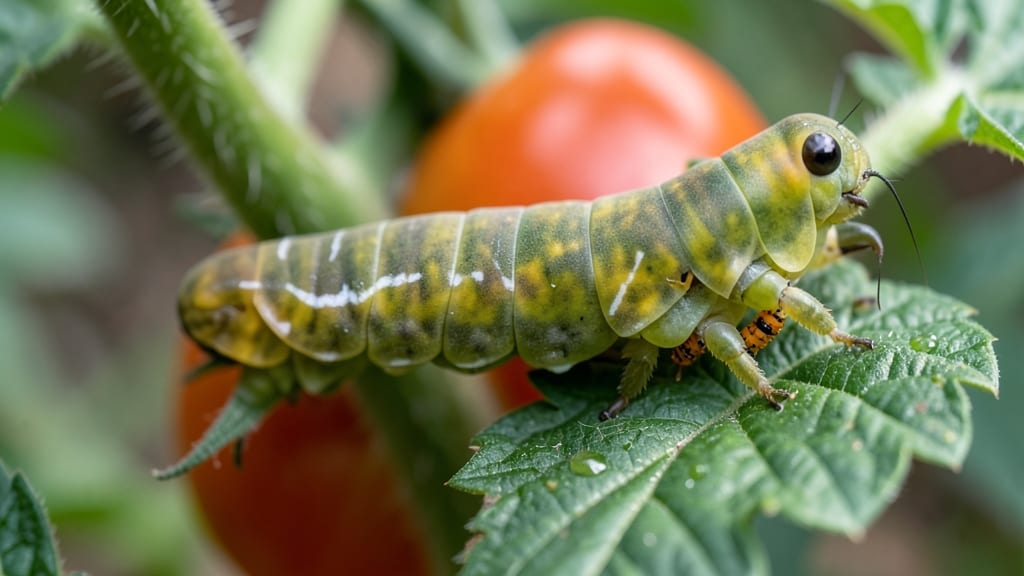
Your tomato plant insect pests are under siege—and the good news is, you don’t need harsh chemicals to fight back. 🌱 The moment you spot skeletonized leaves or sticky residue on stems, you’ve got a pest problem, and these organic sprays turn the tide in hours without harming your harvest.
Aphids, hornworms, and whiteflies each leave telltale signs: curled leaves, chewed vines, or fluttering swarms. The key is acting fast—once pests move from leaves to fruit, damage is done.
A simple spray of neem oil or insecticidal soap (mixed with water) disrupts their life cycle immediately, while companion plants like basil and marigolds deter future invasions. You’ll see results within 24 hours—less sticky residue, fewer holes in foliage, and plants that bounce back.
The best part? These solutions work on young seedlings and mature plants alike, keeping your garden thriving without toxic residue on your tomatoes. For stubborn infestations, rotate sprays every 3-4 days to prevent resistance.
And here’s the secret: consistency beats intensity—daily checks and light applications keep pests from staging a comeback.
Root Causes of Tomato Plant Attacks
Understanding why insect pests target your tomato plants is the first step to stopping them in their tracks. These tiny troublemakers don’t just appear out of nowhere—they’re drawn by specific conditions that make your garden a five-star buffet.
Let’s break down the science behind their behavior so you can outsmart them.
Tomato plants that are packed too closely or struggling with poor health become prime targets for pests. Here’s why:
- Stress Signals: Weak or stressed plants emit chemical cues (like volatile organic compounds) that attract insects. Think of it as a distress flare—pests smell the "help me!" vibe. - Reduced Resilience: Healthy plants can fend off pests better.
When roots are shallow, leaves are yellowing, or growth is stunted, pests see an easy meal. - Moisture Buildup: Overcrowded plants trap humidity, creating the perfect breeding ground for soft-bodied pests like aphids and whiteflies.
Actionable Fix: Space plants 18–24 inches apart, prune regularly to improve airflow, and ensure they get full sun (6–8 hours daily). Healthy plants = fewer pest parties.
Pests love plants that are either starving or drowning in nutrients. Here’s the breakdown:
- Nitrogen Overload: Too much nitrogen (common in synthetic fertilizers) makes plants lush and soft—ideal for chewing insects like hornworms and beetles. It also attracts fungal gnats. - Deficiencies: Lack of key nutrients (like potassium or phosphorus) weakens plant defenses.
For example, potassium-deficient plants are more susceptible to spider mites. - Sugar-Rich Leaves: Excessive fruiting or over-fertilizing can lead to high sugar content in leaves, which attracts sap-sucking pests like aphids.
Actionable Fix: Use a balanced organic fertilizer (like 5-5-5 or compost tea) and avoid heavy nitrogen applications during fruiting. A soil test can reveal specific deficiencies.
Pests thrive in messy environments. Here’s how clutter invites them:
- Plant Debris: Old leaves, fallen fruit, and weeds harbor eggs, larvae, and adult pests. For example, tomato hornworm eggs are often laid on nearby weeds like basil or dill. - Alternate Hosts: Many pests (like Colorado potato beetles) feed on a range of plants.
If your garden has unchecked volunteers (e.g., nightshade weeds), pests will move from there to your tomatoes. - Mulch Overload: Thick mulch can trap moisture and pests. While mulch is great for soil health, too much creates hiding spots for slugs and cutworms.
Actionable Fix: Clear debris regularly, rotate crops annually, and remove weeds—especially those in the nightshade family. Use straw or shredded leaves as mulch (2–3 inches thick) for better pest control.
Temperature, humidity, and seasonal changes directly influence pest populations. Here’s how:
- Warm, Dry Conditions: Heat-loving pests like spider mites and stink bugs multiply rapidly in drought-stressed plants. They also thrive in low humidity because their eggs dry out less. - Cool, Damp Springs: Fungal gnats and slugs love moist soil.
Overwatering or poor drainage creates the perfect conditions for these pests to move in. - Seasonal Migration: Some pests (like Mexican bean beetles) arrive in waves. They’re often blown in by wind or hitch a ride on other insects.
Actionable Fix:
- For heat/drought: Water deeply at the base (early morning) to avoid wetting leaves and attract mites.
- For cool/damp: Improve drainage, use row covers, and avoid overhead watering.
- For seasonal pests: Set up yellow sticky traps or reflective mulch to disrupt their flight patterns.
Ironically, some pesticides can increase pest problems:
- Neonicotinoids: These systemic pesticides can weaken plant defenses over time, making them more vulnerable to secondary pests like whiteflies.
- Broad-Spectrum Sprays: Chemicals like malathion kill beneficial insects (like ladybugs) that prey on pests, leading to outbreaks.
- Resistance Buildup: Overusing the same pesticide (even organic ones) can create super-pests that ignore your treatments.
Actionable Fix: Rotate organic sprays (e.g., neem oil, insecticidal soap, pyrethrin) and prioritize preventative methods like companion planting (basil, marigolds) or introducing predator insects (lacewings, parasitic wasps).
Pro Tip: 💡 Monitor your plants weekly—catch pests early (eggs or nymphs) before they become a full-blown infestation. A handheld magnifying glass can help spot tiny threats like spider mite eggs!
Quick Fixes for Tomato Plant Pests
Tomato plants are delicious, but they’re also a buffet for pests like aphids, hornworms, and spider mites. The good news? You don’t need harsh chemicals to save your harvest. Below are practical, organic solutions tailored to common tomato plant pests—plus prevention tips to keep your plants thriving.
Signs: Sticky residue (honeydew), curled leaves, and clusters of small green/black bugs.
How to Fix It: 🔥 Blast Them Off – Use a strong spray of water (from a hose or spray bottle) to dislodge aphids from leaves. 🍳 Soapy Water Spray – Mix 1 tsp mild liquid soap (like Castile) + 1 quart water. Spray directly on pests (test on a small leaf first). 👨🍳 Neem Oil Solution – Combine 1 tbsp neem oil, 1 tsp dish soap, and 1 quart water. Spray every 3–5 days until gone. ⏰ Best Time to Treat: Early morning or late evening (avoids harming beneficial insects).
Prevention Tips: ✔ Encourage ladybugs (natural aphid predators) by planting marigolds nearby. ✔ Prune infected leaves immediately to stop spread. ✔ Use reflective mulch (aluminum foil or silver plastic) to deter aphids.
Signs: Large green caterpillars (3–4 inches), chewed leaves with only the midrib intact, and droppings on foliage.
How to Fix It: 🔪 Handpick Them – Wear gloves and drop hornworms in soapy water (they’re easy to spot!). 🥘 Bacillus Thuringiensis (Bt) – A natural bacteria that kills caterpillars but is safe for humans/plants. Spray every 5–7 days. 🌿 Plant Basil Nearby – Hornworms hate basil; interplanting deters them.
Prevention Tips: ✔ Inspect plants daily (especially at night when they’re most active). ✔ Remove egg masses (tiny white clusters on leaves) before they hatch. ✔ Attract parasitic wasps (they lay eggs inside hornworms—nature’s pest control!).
Signs: Fine webbing on leaves, yellow stippling, and a dusty appearance (like pepper on leaves).
How to Fix It: 💦 Rinse Leaves – Spider mites hate humidity. Use a strong water spray to knock them off. 🌡️ Increase Humidity – Place a shallow tray of water near plants or use a mist bottle daily. 🎯 Neem Oil or Horticultural Oil – Mix 2 tbsp oil + 1 tsp soap per gallon of water. Spray every 3 days until mites disappear. ✨ Release Predatory Mites – Phytoseiulus persimilis (sold online) eat spider mites and are 100% organic.
Prevention Tips: ✔ Avoid over-fertilizing (weakens plants, making them more susceptible). ✔ Check undersides of leaves (mites love hiding there). ✔ Use mulch to retain soil moisture and deter mites.
Signs: Tiny white moth-like insects that flutter when disturbed, sticky residue, and yellowing leaves.
How to Fix It: 🕯️ Yellow Sticky Traps – Hang yellow cards coated in petroleum jelly near plants to catch adults. 🍳 Soap Spray (Again!) – 1 tsp soap + 1 quart water sprayed directly on leaves (they’ll drop off). 🌿 Kaolin Clay Spray – A natural mineral spray that coats pests and disrupts their life cycle.
Prevention Tips: ✔ Keep plants healthy (strong plants resist pests better). ✔ Remove infected leaves immediately. ✔ Avoid overwatering (whiteflies love damp soil).
Rotate Your Treatments! Pests can build resistance, so switch between neem oil, soapy water, and Bt every few weeks.
By acting fast and using these organic fixes, your tomato plants will stay pest-free and productive—no chemicals required! 🍅🚀
Frequently asked questions
How do I tell if my tomato plant has a pest problem before the damage is severe?
Check for early warning signs like tiny white eggs on leaf undersides (hornworms), sticky residue (aphids/whiteflies), or fine webbing (spider mites). Examine plants weekly—especially new growth—and focus on leaf undersides where pests hide. Catching eggs or nymphs (not adults) gives you the best chance to stop an infestation before it spreads.
Can I use the same organic spray for all tomato pests, or do I need different treatments?
While neem oil works against many pests (aphids, whiteflies, mites), it won't kill hornworms. For caterpillars, use Bacillus thuringiensis (Bt) instead. Always rotate sprays every 3-4 days to prevent resistance. The key is matching the treatment to the pest—check leaf damage patterns first to identify the culprit.
Will organic sprays harm my tomato fruits or beneficial insects like bees?
Most organic sprays are safe when used correctly, but timing matters. Apply neem oil or insecticidal soap before flowering (early morning/evening) to avoid harming bees. For fruiting plants, focus sprays on leaves—not fruit—and rinse off before harvest. Always test sprays on a small leaf area first to confirm safety.
How long does it take to see results from organic pest control methods?
You'll typically see improvement within 24-48 hours for surface pests like aphids (they'll drop off after treatment). For deeper infestations (like hornworms or mites), it may take 5-7 days of consistent treatment. The key is persistence—reapply every 3-5 days until pests disappear completely.
What's the most common mistake gardeners make when treating tomato pests?
Waiting too long to act! Many gardeners only treat when they see major damage, but by then the pests have already spread eggs or larvae. Start treatment at the first sign of trouble (even just a few bugs), and always remove heavily infested leaves immediately. Prevention is easier than cure—healthy plants with good airflow resist pests better.