
Planting
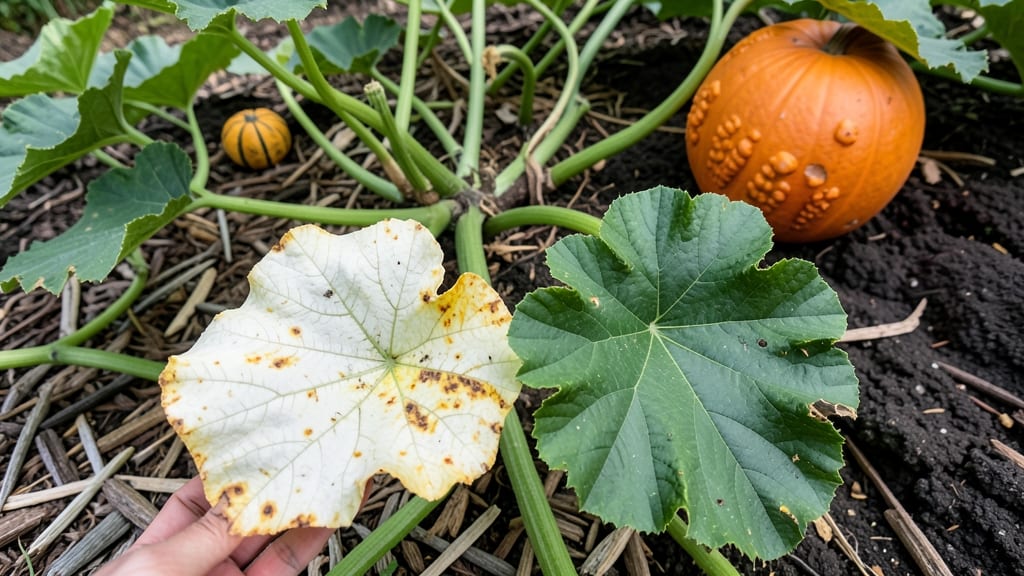
Pumpkin plants with white leaves don’t mean your harvest is doomed—it’s a fixable problem. 🌱 I’ve seen chlorosis turn around in days with the right approach, and I’ll show you exactly how. The key is identifying whether it’s fungal, nutrient-related, or stress-induced before the issue spreads.
Most white leaves start with powdery mildew or magnesium deficiency, both common in pumpkins. Mildew looks like dusty white patches, while nutrient issues show as yellowing between veins. Overwatering or poor air circulation makes it worse, so check your plants’ lower leaves first—they’re the canaries in the coal mine.
You’ll get them back to vibrant green in 3-5 days with neem oil for mildew or Epsom salt for magnesium. Spacing plants properly and watering at the base prevents future outbreaks. The best part? Healthy leaves mean bigger, sweeter pumpkins by harvest time.
Whether you’re dealing with a single vine or your whole patch, this method works for both garden beds and containers. Let’s get those leaves turning green again—no stress, no guesswork.
Root Causes Of Leaf Whitening
When your pumpkin plant’s leaves turn white, it’s usually a distress signal from the plant itself—often tied to nutrient deficiencies, environmental stress, or underlying health issues. Understanding the why behind the whitening is the first step to restoring your pumpkin’s vibrant green.
Below, we break down the most common culprits, explained in simple terms with actionable science.
White or pale leaves on pumpkin plants are often a sign of chlorosis, a condition where the plant can’t produce enough chlorophyll due to a lack of essential nutrients. The most common deficiencies to watch for:
- Iron (Fe) Deficiency
Iron is critical for chlorophyll production, and pumpkins struggle to absorb it when soil pH is too high (alkaline conditions).
White leaves with green veins are a classic sign—your plant is starving for iron, even if the soil looks rich. Why? Iron becomes unavailable to plant roots when pH exceeds 7.0, locking it away in insoluble forms.
- Magnesium (Mg) Deficiency
Magnesium is the backbone of chlorophyll’s structure. If older leaves turn white or yellow with brown edges, magnesium is likely the issue. Why? Pumpkins are heavy feeders, and magnesium gets depleted quickly in sandy or overly worked soils. It’s also leached out by excessive watering or acidic conditions.
- Nitrogen (N) Deficiency
While nitrogen is more likely to cause yellowing (not pure whitening), severe shortages can lead to pale, stunted leaves. Why? Nitrogen is vital for leaf growth, and pumpkins need it in large amounts.
If your soil lacks organic matter or you’ve skipped fertilizer, the plant prioritizes existing leaves over new growth, leading to a washed-out appearance.
Pro Tip: 🔍 Test your soil’s pH first! A simple home kit can tell you if alkalinity is blocking iron. Aim for a pH of 6.0–6.8 for pumpkins.
White or mushy leaves can also signal root stress from excess moisture. Here’s how it happens:
- Oxygen Starvation
Pumpkin roots need oxygen to absorb nutrients. Overwatered or compacted soil forces roots to suffocate, leading to chlorosis-like symptoms (white patches) as the plant can’t take up iron or magnesium efficiently.
- Fungal Infections
Waterlogged soil breeds Pythium or Phytophthora, fungi that attack roots and disrupt nutrient uptake. White, spongy leaves may appear as the plant’s vascular system fails.
- Toxic Buildup
Excess water leaches nutrients but also traps salts (from fertilizers or tap water) in the root zone. High salt levels block nutrient absorption, causing whitening.
Pro Tip: 🌡️ Check soil moisture with your finger! Pumpkin roots should be moist but not soggy. If water pools for more than 24 hours, improve drainage with:
- Raised beds
- Perforated pots
- A 2-inch layer of gravel at the bottom of containers
Pumpkins are sun-loving plants, but extreme conditions can trigger whitening as a survival response:
- Too Much Sun (Sun Scorch)
While pumpkins need full sun, intense afternoon heat (especially in dry climates) can cause leaf edges to bleach or turn white. Why? Excessive transpiration overwhelms the plant’s ability to regulate water, leading to cell damage and chlorophyll breakdown.
- Cold Stress
Temperatures below 50°F (10°C) at night can stunt chlorophyll production, causing leaves to appear white or pale. Why? Cold disrupts enzyme activity in leaves, halting photosynthesis temporarily.
- Windburn
Constant wind desiccates leaves, leading to white or crispy patches. Why? The plant loses moisture faster than it can replace it, causing cellular damage.
Pro Tip: ✨ Shade cloth to the rescue! Use 30–50% shade fabric during peak heat (11 AM–3 PM) or in high-wind areas. For cold snaps, row covers or mulch can protect young plants.
Not all white leaves are nutrient-related—some are caused by invisible invaders:
- Powdery Mildew
A fungal disease that coats leaves in a white, powdery film, blocking sunlight and stunting growth. Why? Fungi like Erysiphe thrive in humid conditions (70–80% humidity) and weak plants (stressed by overcrowding or poor airflow).
- Spider Mites
These tiny pests suck sap, causing white stippling or speckling on leaves. Why? They thrive in dry, dusty conditions and multiply rapidly, leading to weakened chlorophyll production.
- Viral Infections (e.g., Cucumber Mosaic Virus)
White mosaic patterns or stunted growth may indicate a virus spread by aphids. Why? Viruses disrupt cellular function, including chlorophyll synthesis.
Pro Tip: 🎯 Act fast! Isolate infected plants, remove debris, and spray with neem oil or insecticidal soap for pests. For powdery mildew, apply baking soda spray (1 tsp baking soda + 1 quart water + a drop of dish soap) weekly.
Revive Your Pumpkin Plant Now
White leaves on your pumpkin plant aren’t just an eyesore—they’re a cry for help! But don’t panic. With the right approach, you can nurse your plant back to health and even prevent future issues.
Below, we’ve mapped out practical, step-by-step solutions based on the most common causes of white or yellowing leaves. Follow these fixes, and your pumpkin plant will be thriving again in no time.
If your pumpkin leaves are white with green veins (a classic sign of chlorosis), your plant is likely starving for magnesium or iron. These nutrients are essential for chlorophyll production, and without them, leaves turn pale.
How to Treat It:
✅ 🍄 Apply Epsom Salt (Magnesium Boost)
- Mix 1 tablespoon of Epsom salt in 1 gallon of water.
- Water your pumpkin plant at the base (avoid leaves to prevent burns).
- Repeat every 2-4 weeks during the growing season.
✅ 🌿 Use Iron Chelate (For Severe Chlorosis)
- Purchase iron chelate (a liquid fertilizer) from a garden center.
- Follow package instructions—usually 1-2 teaspoons per gallon of water.
- Water the soil deeply to reach the roots.
✅ 🌱 Amend Soil with Organic Matter
- Work in compost, well-rotted manure, or worm castings to improve soil fertility.
- Avoid fresh manure—it can burn roots and worsen the problem.
💡 Prevention Tips:
- Test your soil before planting—most garden centers offer affordable kits.
- Use a balanced fertilizer (like 10-10-10) every 4-6 weeks to keep nutrients in check.
- Mulch around plants to retain moisture and prevent nutrient loss.
White, mushy leaves (especially with yellowing) can signal root rot or waterlogged soil. Pumpkins hate soggy feet—too much moisture cuts off oxygen, leading to nutrient uptake problems.
How to Treat It:
✅ 🔥 Stop Watering Immediately
- Let the top 1-2 inches of soil dry out before watering again.
- Check moisture by sticking your finger in the soil—if it’s damp past your first knuckle, wait.
✅ 🏗️ Improve Drainage Fast
- If planted in a pot, add perlite or sand to the soil mix.
- In garden beds, raise the planting area with a mound of soil or create a small trench around the base to divert excess water.
✅ 🌡️ Adjust Watering Habits
- Water deeply but infrequently—aim for 1-1.5 inches per week (including rain).
- Water early in the morning to reduce evaporation and fungal risks.
💡 Prevention Tips:
- Choose well-draining soil—mix in compost and coarse sand if your soil is clay-heavy.
- Avoid planting in low spots where water pools after rain.
- Use drip irrigation instead of overhead watering to keep leaves dry.
If your pumpkin leaves are white with crispy edges (especially in hot afternoons), they might be sunburned or suffering from heat stress. Pumpkins love sun, but too much direct heat can scorch them.
How to Treat It:
✅ 🌳 Provide Light Shade (Temporarily)
- Set up a shade cloth (30-50%) over the plant for 2-4 hours during peak sun (11 AM–3 PM).
- Use straw bales or a temporary tarp if shade cloth isn’t available.
✅ 💦 Increase Watering (But Not Too Much)
- Water more frequently during heatwaves to keep soil moist.
- Mulch heavily (2-3 inches of straw or wood chips) to retain moisture.
✅ 🌿 Trim Damaged Leaves
- Snip off severely white or crispy leaves with clean scissors to redirect energy to healthy growth.
💡 Prevention Tips:
- Plant in late spring (after the last frost) to avoid early-season heatwaves.
- Choose heat-tolerant varieties like ‘Howden’ or ‘Cinderella’ if you live in a hot climate.
- Avoid fertilizing during extreme heat—plants burn energy processing nutrients instead of recovering.
White, sticky residue on leaves (like honeydew) or white spots could mean pests (aphids, whiteflies, spider mites) or powdery mildew are draining your plant.
How to Treat It:
✅ 🔪 Blast Off Pests with Water
- Spray leaves forcefully with water in the morning to dislodge aphids/whiteflies.
- Repeat every 2-3 days until pests are gone.
✅ 🍵 Use Neem Oil or Soap Spray
- Mix 1 tsp neem oil + 1 tsp mild dish soap in 1 quart of water.
- Spray both sides of leaves (avoid flowers if possible).
- Reapply every 5-7 days for 2-3 weeks.
✅ 🌿 Treat Fungal Issues (Powdery Mildew)
- Spray with a baking soda solution (1 tsp baking soda + 1 quart water + a drop of soap).
- Apply every 7-10 days until the white powder disappears.
💡 Prevention Tips:
- Inspect leaves daily—catch pests early!
- Encourage beneficial insects like ladybugs by planting marigolds or dill nearby.
- Space plants properly (3-4 feet apart) for better airflow and less fungal spread.
Once you’ve addressed the root cause, give your pumpkin plant a health boost with these steps:
- Prune dead leaves to focus energy on new growth.
- Fertilize lightly with a balanced organic fertilizer (like fish emulsion).
- Monitor progress—healthy new leaves should emerge in 1-2 weeks.
- Keep up good habits (watering, mulching, pest checks) to prevent relapse.
Your pumpkin plant can bounce back—just act fast! The key is identifying the problem and treating it before it spreads. With these fixes, you’ll be back to harvesting big, vibrant pumpkins in no time. 🎃💪
Frequently asked questions
Why do my pumpkin leaves turn white in patches but stay green near the veins?
This classic pattern signals iron deficiency (chlorosis). Iron is essential for chlorophyll, but pumpkin roots can't absorb it when soil pH is too high (above 7.0). Test your soil—aim for 6.0-6.8 pH. A quick fix is applying iron chelate or mixing 1 tbsp Epsom salt per gallon of water and watering at the base.
Can I still save my pumpkin if most leaves are white and mushy?
It depends! If the whitening is from root rot (waterlogged soil), act fast: stop watering immediately and improve drainage. For containers, add perlite; in garden beds, create a mound. If fungal (like powdery mildew), prune affected leaves and spray with baking soda solution (1 tsp baking soda + 1 quart water). New growth should appear in 1-2 weeks if roots are healthy.
How do I tell if white leaves are from pests vs. nutrient issues?
Pests like spider mites or whiteflies create speckled or stippled white patterns, often with webbing underneath leaves. Nutrient issues (like magnesium deficiency) cause uniform whitening starting on older leaves. Check leaf undersides with a magnifying glass—tiny bugs or eggs confirm pests. Treat with neem oil for pests or Epsom salt for nutrients.
Will my pumpkin fruit still grow if the leaves are mostly white?
Yes, but growth may slow. Pumpkins can produce fruit even with limited foliage, though yields will be smaller. Focus on reviving the plant: prune severely damaged leaves, improve soil nutrients, and ensure proper watering. If the roots are healthy, new leaves will emerge in 3-5 days, and the plant can recover enough to support fruit development.
Can I use coffee grounds to fix white leaves on my pumpkin?
Coffee grounds can help with magnesium deficiency (they're high in magnesium), but use them sparingly! Mix ½ cup per plant into the soil and water well. Too much can lower soil pH and cause nitrogen overload. For faster results, combine with 1 tbsp Epsom salt per gallon of water for a magnesium boost. Avoid fresh grounds—they can burn roots.