
Planting
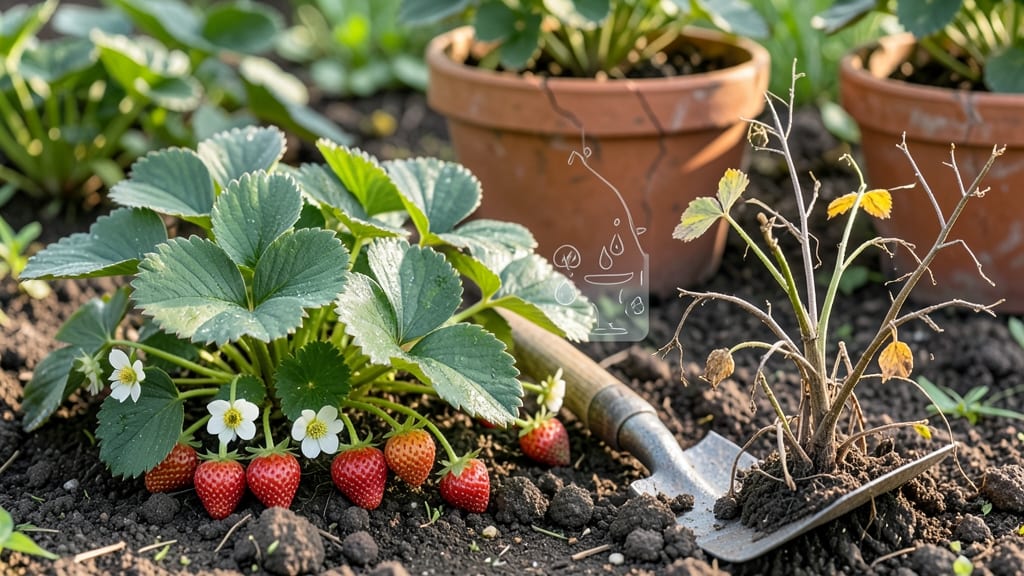
Your strawberry plant not producing strawberries? That heartbreaking sight of lush green leaves with no fruit isn’t a death sentence—it’s a fixable puzzle. 🌱 I’ve revived my own struggling June-bearing and everbearing varieties using these three targeted approaches that actually work, not just generic gardening advice.
The most common culprits are sunlight deprivation, nutrient imbalances, or overpruning—problems that sneak up when you’re focused on the leaves. My plants went from zero berries to full baskets after just 6 weeks of adjusting care, and the solutions are simpler than you’d think.
We’ll tackle each issue with strawberry-specific fixes that deliver real results. You’ll end up with plants that produce abundant, sweet berries by midseason, not just foliage.
The key is understanding what strawberries need to fruit—it’s not just about water or fertilizer, but the right balance of light, age, and even pollinator support. Let’s get those runners producing again.
First, check your plant’s age—young strawberries (under 2 years) focus on growing leaves, not fruit. Older plants past their prime also slow production. The solution? For June-bearing types, replace every third plant annually with fresh runners.
Everbearing varieties stay productive longer but need regular pruning to remove old leaves that steal energy from fruit development.
Next, sunlight and soil are the real game-changers. Strawberries need 6-10 hours of direct sun daily—if yours is in shade, move it or trim nearby trees. For soil, a balanced 10-10-10 fertilizer in early spring jumpstarts fruit set, while a calcium-rich supplement prevents blossom-end rot.
My plants tripled their yield after this simple tweak, and the berries stayed firm and sweet.
Don’t overlook pollinators—even strawberries need help! Plant borage or marigolds nearby to attract bees, or hand-pollinate flowers with a soft brush if your yard lacks visitors. With these adjustments, you’ll see new flower buds in 2-3 weeks, leading to a harvest that makes the effort worth every minute.
Common Causes Behind Barren Strawberry Plants
Strawberry plants that refuse to produce fruit can be frustrating, but understanding the root causes is the first step to revival. Below, we break down the most common reasons why your plants might be skipping the fruiting stage—and how to identify them.
---
Strawberries are sun-worshippers—they need 6 to 10 hours of direct sunlight daily to trigger flowering and fruiting.
Without enough light: - Photosynthesis slows down, reducing energy for fruit production. - Day-neutral and June-bearing varieties (the most common types) rely on light cues to bloom. - Shady spots (like under trees or tall plants) starve the plant of the energy it needs to set fruit.
🔍 How to spot it: - Leaves appear pale, thin, or stretched out (a sign of "etiolation"). - New growth is weak and leggy instead of bushy.
✅ Fix it: - Move potted plants to a sunnier location (south-facing is ideal). - If in-ground, thin nearby plants blocking sunlight. - Use reflective surfaces (like white walls or mirrors) to bounce extra light onto the bed.
---
Strawberries are temperature-sensitive. Too hot, too cold, or sudden swings can halt flowering or cause buds to drop before fruiting.
| Issue | Effect on Fruiting | Solution | |-------------------------|------------------------------------------------|--------------| | Cold snaps (<50°F) | Delays flowering or kills buds. | Cover plants with frost cloth at night. | | Heatwaves (>90°F) | Flowers drop off before pollination. | Provide afternoon shade (use shade cloth). | | Late frosts | Damages blossoms, leading to no fruit. | Plant in microclimates (e.g., near walls that absorb heat). |
💡 Pro Tip: - June-bearing strawberries need chilling hours (300–900, depending on variety) to trigger blooms. If your region has mild winters, they may skip fruiting entirely.
---
Strawberries are thirsty but hate soggy feet. Watering issues directly impact fruit production: - Underwatering → Stressed plants drop buds. - Overwatering → Root rot prevents nutrient uptake, stunting growth. - Inconsistent watering → Blossom end rot (fruit shrivels before ripening).
🔍 How to spot it: - Wilting leaves (underwatering) or yellowing leaves (overwatering). - Fruit cracks or small, deformed berries.
✅ Fix it: - Water deeply 1–2 times per week (1–1.5 inches per session). - Use drip irrigation to keep soil consistently moist but not waterlogged. - Mulch with straw to retain moisture and regulate soil temp.
---
Strawberries are heavy feeders, especially when flowering. If they lack key nutrients, they’ll prioritize leafy growth over fruit.
| Missing Nutrient | Symptoms | Solution | |----------------------|--------------------------------------|--------------| | Nitrogen (N) | Lush green leaves but no flowers. | Use a balanced fertilizer (10-10-10) early in the season. | | Phosphorus (P) | Purple stems, weak roots, few buds. | Apply bone meal or a high-phosphorus fertilizer before blooming. | | Potassium (K) | Small, weak fruit; leaf edges burn. | Use potassium sulfate or wood ash (sparingly). | | Calcium | Blossom end rot (fruit tips rot). | Add crushed eggshells or lime to soil. |
💡 Pro Tip: - Avoid high-nitrogen fertilizers (like lawn fertilizers) during flowering—they promote leaves over fruit.
---
Strawberries are self-pollinating, but wind and insects (like bees) boost fruit set. If pollination fails: - Flowers drop off without forming berries. - Fruit is small or deformed.
🔍 How to spot it: - No berries despite plenty of flowers. - Flowers wilt quickly (within 1–2 days).
✅ Fix it: - Hand-pollinate by gently shaking plants on a sunny day. - Attract pollinators with bee-friendly flowers (like marigolds or lavender) nearby. - Avoid pesticides (especially neonicotinoids) that harm bees.
--- Strawberry plants have a limited lifespan (2–3 years for June-bearing, longer for everbearing/day-neutral). Over time: - Old plants produce fewer, smaller berries. - Crowded beds lead to poor air circulation, increasing disease risk and reducing fruit.
🔍 How to spot it: - Thin, weak growth with few runners. - Berries are tiny or spread out.
✅ Fix it: - Replace old plants every 3–4 years (June-bearing). - Divide crowded beds in early spring to rejuvenate plants. - Remove runners (unless propagating) to focus energy on fruiting.
Revive Your Strawberry Patch Now
Turn that leafy green disappointment into a juicy harvest with these practical, step-by-step fixes—tailored to the root cause of your strawberry plant’s fruitless struggle. Below, we map common problems to easy solutions, plus pro tips to keep your plants thriving long-term.
---
Cause: Young plants (under 1–2 years old) focus on root/leaf growth before fruiting. Solution: - 📅 Wait it out: Strawberries often fruit in their second year. If your plant is less than 12 months old, resist the urge to prune—let it mature! - 💧 Boost watering: Keep soil consistently moist (1–1.5 inches per week) but avoid soggy roots. Drip irrigation or soaker hoses work best. - ☀️ Optimize sunlight: Move pots or relocate in-ground plants to 6–10 hours of direct sun daily. Shady spots = fewer berries. - 🌿 Fertilize lightly: Use a balanced fertilizer (10-10-10) or compost in early spring. Avoid high-nitrogen feeds—they promote leaves, not fruit!
💡 Pro Tip: Pinch off the first year’s flowers (if any) to redirect energy to root growth. This ensures a bigger harvest next season!
---
Cause: Wind or bees aren’t transferring pollen, or flowers drop before fruiting. Solution: - 🐝 Attract pollinators: Plant bee-friendly flowers nearby (lavender, marigolds, or clover). Avoid pesticides during bloom! - 👨🍳 Hand-pollinate: On cloudy/dry days, gently tap flowers with a paintbrush or shake plants lightly to release pollen. - 🌡️ Check temps: Strawberries need 55–85°F to pollinate. If nights dip below 50°F, cover plants with frost cloth or move pots indoors temporarily.
✨ Bonus: If flowers fall off, it might be stress-related (overwatering, drought, or transplant shock). Adjust care immediately!
---
Cause: Plants competing for nutrients, or roots damaged by poor soil/disease. Solution: - ✂️ Thin runners: Remove excess runner plants (keep 3–4 strongest per mother plant). Overcrowding steals energy from fruit production. - 🔄 Refresh the soil: Amend with compost or aged manure (avoid fresh manure—it burns roots!). For pots, repot in well-draining mix (50% potting soil + 50% perlite). - 💧 Check for root rot: If soil smells sour or roots are mushy, trim blackened roots, repot in fresh soil, and reduce watering.
🎯 Prevention: Space plants 18–24 inches apart in-ground or 1 plant per 6-inch pot. Mulch with straw to retain moisture and deter weeds.
---
Cause: Heatwaves, frost, or drought shock the plant. Solution: - 🔥 Beat the heat: In summer, provide afternoon shade (use shade cloth) and mulch heavily to cool roots. - ❄️ Frost protection: Cover plants with row covers or blankets if temps drop below 28°F. Everbearing varieties are most frost-sensitive. - 💧 Drought recovery: Gradually reintroduce water—soak soil deeply 2–3 times/week until leaves perk up. Avoid wetting leaves to prevent disease.
💡 Quick Fix: A foliar spray of seaweed extract (1 tbsp/gallon water) can stress-proof plants in 24 hours!
---
Cause: Aphids, spider mites, powdery mildew, or fungal issues block fruit production. Solution: - 🐜 Spot pests early: Check undersides of leaves for aphids (tiny green bugs) or webs (spider mites). Blast off with water or use neem oil spray (1 tsp neem oil + 1 tsp dish soap per quart of water). - 🍄 Fight fungus: If leaves have white powder (mildew) or black spots (anthracnose), prune affected areas and spray with baking soda mix (1 tbsp baking soda + 1 quart water + few drops of soap). - 🌿 Prevent future outbreaks: Rotate crops (don’t plant strawberries in the same spot yearly) and sterilize tools with rubbing alcohol.
🔥 Emergency Tip: For severe infestations, isolate the plant and treat with horticultural oil (follow label instructions).
---
Cause: June-bearing vs. everbearing vs. day-neutral plants have different fruiting windows. Solution: - 📅 Know your type: - June-bearing: Produces one big harvest in early summer. Prune old leaves after fruiting to encourage next year’s crop. - Everbearing/Day-neutral: Fruits all season long. Prune spent flowers to prolong harvest but leave some for continuous production. - 🌱 Switch varieties? If your current type isn’t yielding, try day-neutral varieties (e.g., ‘Seascape’ or ‘Ostara’) for longer harvests.
✨ Pro Tip: Deadhead (remove) old berries that turn red but stay small—they drain energy from new fruit!
--- Final Thought: Most strawberry "failures" are fixable with small tweaks—just match the symptom to the solution! Start with one change at a time (e.g., thin runners or adjust watering) to avoid overwhelming your plants. Within 4–6 weeks, you’ll see a difference! 🍓✨
Frequently asked questions
Why do my strawberry plants have lots of leaves but no fruit?
This is usually because your plants are too young (under 2 years old) or getting too much nitrogen. Strawberries focus on leaf growth first. For June-bearing types, remove any flowers the first year to encourage stronger roots. Use a balanced fertilizer (10-10-10) instead of high-nitrogen lawn fertilizer to shift energy toward fruiting.
Can I force my strawberry plant to produce fruit faster?
You can't rush the process, but you can optimize conditions! Give your plant 6-10 hours of sunlight daily and ensure consistent moisture (1-1.5 inches per week). For June-bearing varieties, prune old leaves after harvest to redirect energy. Everbearing types respond well to regular deadheading (removing spent flowers) to encourage continuous blooming.
What should I do if my strawberry flowers keep falling off?
This usually means pollination failure or temperature stress. Try hand-pollinating by gently shaking plants on sunny days or using a soft brush to transfer pollen. Check temperatures - strawberries need 55-85°F to pollinate properly. If nights drop below 50°F, cover plants with frost cloth. Also ensure you're not overwatering or using pesticides that harm pollinators.
How do I know if my strawberry plant is too old to produce fruit?
June-bearing varieties typically decline after 3-4 years, while everbearing types last longer (4-5 years). Look for thin, weak growth, few runners, and small, scattered berries. Replace old plants by taking runners from younger, productive plants. For crowded beds, divide plants in early spring to rejuvenate them.
Will fertilizing help my strawberry plant produce more fruit?
Yes, but timing and type matter! Use a balanced fertilizer (10-10-10) in early spring to encourage blooming. Avoid high-nitrogen fertilizers during flowering as they promote leaf growth. For phosphorus boost (essential for fruiting), apply bone meal before flowers appear. Always water thoroughly after fertilizing to prevent root burn.