
Planting
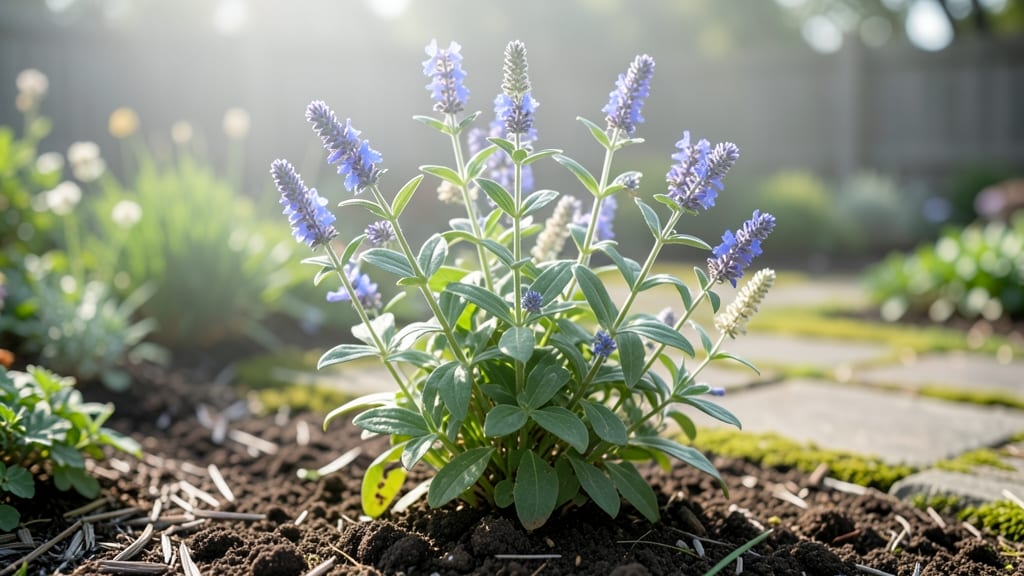
Speedwell leaves turn your garden borders from "meh" to perfect with their glossy, deep-green perfection—until something goes wrong. 🌿 I’ve spent years perfecting these edging plants, and the moment I noticed yellowing or curling leaves, I knew it was time to troubleshoot.
The good news? Most issues are easy to fix with the right approach.
Common problems like powdery mildew (white dust on leaves) or spider mites (tiny webs) can ruin that polished look, but they’re usually preventable. Nutrient deficiencies—like yellowing between veins—often mean your soil needs a boost. The key is catching issues early: check leaves weekly for spots, discoloration, or unusual textures.
With the right care, your speedwell will stay lush and uniform, creating that crisp, professional border you’ve always wanted. We’ll cover organic fixes for pests, soil adjustments for nutrients, and simple pruning tricks to keep them thriving. No more patchy, sad-looking edges—just flawless, year-round beauty.
Works for all speedwell varieties, from Veronica officinalis to low-growing edging types. Let’s get those leaves back to their best before summer heat stresses them further.
📚 In This Guide
- What you need
- Instructions
- Tips and common mistakes
- Wrapping up and next steps
What you need
- ● Speedwell plants (Veronica spp.) – Choose 10-20 mature plants (depending on border length) with healthy, vibrant leaves. Opt for varieties like Veronica spicata (crinkled leaves) or Veronica incana (silvery foliage) for texture.
- ● Garden soil or potting mix – 5-10 gallons (enough to amend your border area). A well-draining mix works best for speedwell.
- ● Compost or organic fertilizer – 2-3 cups to enrich the soil and promote lush growth.
- ○ Mulch (optional but recommended) – 1-2 bags of shredded bark, straw, or pine needles to retain moisture and suppress weeds.
- ● Garden trowel or hand shovel – For digging small holes or edging.
- ● Pruners or shears – To trim excess foliage and shape plants neatly.
- ● Garden hose or watering can – Speedwell thrives with 1-2 inches of water per week.
- ● Measuring tape or string line – To mark a straight, uniform border (aim for 6-12 inches wide).
- ● Gloves (recommended) – Protect your hands from soil and sharp plant edges.
- ● 🌡️ Timing matters: Plant speedwell in early spring or fall for optimal root establishment.
- ● ✨ Soil prep: Test soil pH (ideal range: 6.0-7.0)—amend with lime if too acidic.
- ● 🎯 Spacing: Plant speedwell 12-18 inches apart for a dense, polished look.
Step-by-Step guide to creating polished garden borders with speedwell
Here's how I create flawless, low-maintenance edges that stay green all season.
🌱 Step 1: Choose the Right Speedwell Variety for Your Climate
For polished borders, I recommend Veronica officinalis (common speedwell) or Veronica spicata (spiked speedwell) because they form dense, uniform mats that suppress weeds naturally. Veronica officinalis thrives in partial shade and handles USDA zones 4-8, while Veronica spicata prefers full sun and zones 5-9.
Check your hardiness zone first—planting outside the recommended range means slower growth and potential winter dieback. I always verify by checking the USDA Plant Hardiness Zone Map for my location. If you're unsure, start with Veronica officinalis—it's the most forgiving for beginners.
🪴 Step 2: Prepare the Edging Area for Planting
Mark your border line with a garden hose or string for a straight edge—speedwell grows in a 12-24 inch wide band along paths or flower beds. Dig a shallow trench along the marked line, about 2-3 inches deep, to create a natural root barrier. This prevents spreading into lawn areas later.
Loosen the soil in the trench with a garden fork, breaking up any compacted layers. Mix in 1 inch of compost to improve drainage and provide nutrients. Speedwell dislikes soggy roots, so avoid amending with heavy clay soil. Water the area lightly before planting to settle the soil.
☀️ Step 3: Plant Speedwell for Maximum Density
Space plants 6-8 inches apart in the trench for a thick, weed-blocking mat. Dig holes just deep enough to cover the roots but leave the crown slightly above soil level—this prevents rot. I tap each plant gently to remove air pockets before backfilling with soil.
Water immediately after planting to encourage root contact with soil. Mulch with 1 inch of shredded bark to retain moisture and suppress weeds. The mulch should stay 2 inches away from plant stems to avoid disease. Here's the thing—speedwell grows best when crowded, so don't thin unless you see signs of overcrowding after 2-3 years.
💧 Step 4: Maintain for Year-Round Perfection
Water newly planted speedwell 2-3 times per week until established (about 4-6 weeks1 inch of water weekly—drought-tolerant once mature. You'll know it's thriving when new growth appears within 3-4 weeks of planting.
Cut back faded flower spikes in early summer to encourage a second bloom. In fall, trim back any woody stems to maintain a neat appearance. Speedwell spreads slowly, so I divide clumps every 3-4 years to keep the border looking fresh. Watch for powdery mildew in humid climates—space plants slightly wider if this occurs.
✂️ Step 5: Prune for Clean Edges Yearly
In early spring, trim back any overgrown edges with sharp shears to restore a crisp line. I use a hand pruner for small sections and a hedge trimmer for long borders. Cut at a 45-degree angle to encourage dense growth. This is the moment that matters—neat edges make the whole garden look intentional.
After flowering, shear back by one-third to maintain shape and promote bushier growth. Speedwell tolerates light pruning well, so don't fear shaping it aggressively. For a truly polished look, I edge with a half-moon edger along the outer border every 2-3 weeks during growing season. Real talk: this small effort prevents weeds from sneaking in.
Tips & tricks for perfect speedwell garden edges
Speedwell thrives when you pay attention to these key details—trust me, they make all the difference between a messy border and a showstopping one.
Variety Selection Matters: Veronica officinalis handles partial shade beautifully, while Veronica spicata demands full sun—planting the wrong variety in the wrong light means slower growth and less vibrant foliage. I always double-check my zone on the USDA map before buying plants. For example, if you're in zone 5, Veronica officinalis will give you years of trouble-free coverage, while Veronica spicata might struggle through harsh winters.
Soil Prep is Non-Negotiable: The 12-24 inch wide band you create in Step 2 should have soil that's loose and well-draining. I can't stress enough how important it is to avoid compacted soil—speedwell roots need room to spread. If you're working with heavy clay, mix in extra compost (up to 2 inches) to create that ideal loose texture. This single step prevents root rot and ensures your plants establish quickly.
Planting Density Creates the Illusion of Perfection: The 6-8 inch spacing in Step 3 might seem generous, but it's actually what creates that lush, uniform look. Here's what I learned the hard way: planting too close leads to overcrowding, while spacing too far apart lets weeds sneak in. After the initial planting, resist the urge to thin—let the plants fill in naturally over 2-3 years. This creates that professional, manicured appearance without extra work.
Pruning Timing Determines the Look: That 45-degree angle cut in Step 5 isn't just for aesthetics—it encourages new growth from the sides, creating a thicker border. I schedule my spring pruning right after the first flush of new growth appears (usually by mid-April in my zone 6 garden). For long borders, I work in sections with my hedge trimmer, always moving in the same direction to avoid tearing the foliage.
Pro Tips for Speedwell Plant Leaves
- Speedwell thrives when you pay attention to these key details—trust me, they make all the difference between a messy border and a showstopping one.
- Variety Selection Matters: Veronica officinalis handles partial shade beautifully, while Veronica spicata demands full sun—planting the wrong variety in the wrong light means slower growth and less vibrant foliage.
- Soil Prep is Non-Negotiable: The 12-24 inch wide band you create in Step 2 should have soil that's loose and well-draining.
Frequently asked questions
about using Speedwell plant leaves for garden borders—because even the most polished edges need a little clarity!Can I use Speedwell leaves for edging year-round, or do they die back?
Speedwell plants are perennial, meaning they’ll return each spring—but their foliage may brown or die back in winter. For year-round edging, pair them with evergreen options like boxwood or creeping thyme to maintain a tidy look. Trim back dead growth in early spring for a fresh start!
How often should I trim Speedwell leaves to keep them neat?
Light trimming every 4–6 weeks during the growing season (spring to fall) keeps Speedwell compact and tidy. Use sharp shears to shape rather than shear heavily—this encourages bushier growth. Avoid trimming in late summer or fall, as new growth won’t harden off before winter.
Are Speedwell leaves toxic to pets or children if ingested?
Most Speedwell varieties (like Veronica) are non-toxic to pets and humans, but always confirm the specific type you’re using. If you have curious pets, opt for pet-safe alternatives like sedge or creeping juniper for extra peace of mind.
What’s the best alternative if Speedwell leaves spread too aggressively?
If Speedwell becomes too invasive, try these low-maintenance edging plants:
Yellowing leaves often signal overwatering or poor drainage. Brown edges? It could be underwatering or sunburn (if suddenly exposed to harsh light). Check soil moisture—Speedwell prefers well-draining soil and moderate watering. Adjust care and monitor for pests like aphids or spider mites.
Divide and transplant Speedwell clumps if you still want to keep it but control its growth!
Why are my Speedwell leaves turning yellow or brown?
Wrapping up and next steps
Transforming your garden borders with speedwell plant leaves is a simple yet rewarding way to add elegance and texture to your outdoor space. These versatile plants thrive with minimal effort, offering low-maintenance beauty and striking contrast.
Whether you’re a seasoned gardener or just starting, their delicate foliage will elevate any landscape—so why wait?
Ready to take the next step? Grab your speedwell cuttings and start shaping those polished borders today! Your garden’s curb appeal will thank you. 🌿✨