
Planting
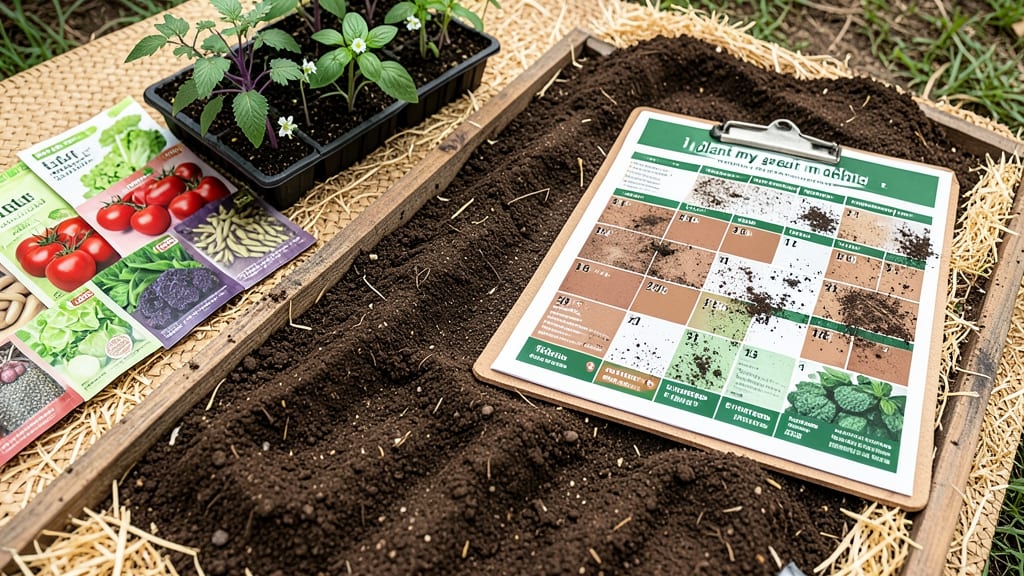
You can plant your garden in Michigan as early as mid-April in the southern zones, but timing varies dramatically by crop and hardiness zone—get it wrong, and you’ll waste seeds or lose plants to frost.
Michigan’s unpredictable spring weather can make garden planning stressful—but knowing the exact planting windows for your hardiness zone means the difference between thriving harvests and wasted seeds.
Cold-hardy crops like peas and spinach can go in the ground weeks before the last frost, while tomatoes and peppers need to wait until soil temperatures hit 55°F or warmer.
Below, I break down the ideal planting dates for your zone, how to adjust for late frosts, and which crops thrive in Michigan’s short but intense growing season.
Michigan planting deadlines by hardiness zone (5-6) and last frost dates
Michigan spans USDA hardiness zones 5a, 5b, and 6a, where last frost dates can shift by weeks between northern and southern regions.
In zone 5a (northern Michigan), expect your average last frost between May 15-25, while zone 6a (southern Michigan) typically sees frost-free conditions by April 25-May 10. These dates guide when to plant cool-season crops like spinach and when to wait for warm-season staples like tomatoes.
For precision, check the Michigan State University Extension's interactive zone map—it accounts for microclimates like urban heat islands or lake-effect zones. My Upper Peninsula garden in zone 5a often waits until June 1 for peppers, while my friend in zone 6a near Detroit plants tomatoes by May 1.
The difference? 3-4 weeks of growing season.
Here’s your zone-specific planting timeline for Michigan’s most popular crops, organized by frost sensitivity:
| Crop Type | Zone 5a (Last Frost: May 15-25) | Zone 5b (Last Frost: May 1-15) | Zone 6a (Last Frost: Apr 25-May 10) | Notes |
|---|---|---|---|---|
| Cold-Hardy Greens (Spinach, Kale, Lettuce) | March 15-April 15 (direct sow) | March 1-April 1 | Feb 25-March 15 | Tolerates light frosts; succession plant every 2 weeks. |
| Root Vegetables (Carrots, Beets, Radishes) | April 1-May 1 | March 20-April 15 | March 1-April 1 | Direct sow; avoid late plantings (bolting risk). |
| Peas & Potatoes | April 15-May 10 | April 1-April 15 | March 25-April 10 | Cold soil tolerance; plant as soon as soil is workable. |
| Tomatoes & Peppers (Warm-Season) | May 25-June 1 (after frost) | May 15-25 | May 1-May 15 | Start indoors 6-8 weeks before last frost; use row covers. |
| Cucumbers & Squash | May 30-June 10 | May 20-30 | May 10-20 | Soil must be 60°F+; mulch to retain heat. |
| Fall Crops (Kale, Radishes, Spinach) | August 1-September 1 | July 25-August 15 | July 20-August 10 | Extend season with cold frames; harvest before hard frost. |
Pro tip: Use frost cloth to push back planting dates by 2-3 weeks for heat-lovers like peppers. I’ve successfully planted tomatoes in zone 5a by May 10 using this method—just remove covers when flowers appear to prevent heat stress.
Always monitor soil temperature (use a thermometer); most seeds need 50°F+ to germinate.
For zone 5a gardeners, focus on fast-maturing varieties (e.g., ‘Early Girl’ tomatoes—65 days to harvest) to maximize your short season. In zone 6a, you can afford slightly slower varieties like ‘Brandywine’ tomatoes (80 days) or even experiment with sweet potatoes, which need 100+ days of warmth.
Don’t overlook succession planting—it’s how I’ve doubled my bush bean harvest in zone 5b. Plant a second batch every 2 weeks from June 1 to July 15 to ensure a steady supply. The same strategy works for lettuce and radishes in early spring or late summer.
Watch for false springs: a warm spell in March or April can trick you into planting early. Wait until nighttime temperatures stay above 40°F
How to adjust planting times for Michigan’s unpredictable weather patterns
Michigan’s late spring frosts and early heatwaves can throw off even the most careful gardeners. The key to success? Flexibility. I’ve learned to extend seasons and protect tender plants using simple but effective strategies that work even when Mother Nature doesn’t cooperate.
For example, tomatoes and peppers—two of my favorite high-value crops—often suffer from late frost damage if planted too early. But with the right adjustments, you can still get a full harvest.
Start by choosing fast-maturing varieties like 'Early Girl' tomatoes (50-60 days) or 'Sweet Banana' peppers (60 days). These give you a buffer if the weather delays your planting.
Another trick I rely on is row covers and cold frames. These can push back the last frost date by 2-3 weeks, giving delicate plants like basil and cucumbers a head start. I’ve even used them to protect seedlings during unexpected cold snaps in May or early June.
⚠️ WARNING: Michigan’s Frost Risks Don’t Follow the Calendar ⚠️ Michigan’s average last frost date ranges from April 15 (Zone 6a) to May 15 (Zone 5a), but actual frosts can occur 2-3 weeks later.
High-value crops like tomatoes, cucumbers, and squash need soil temps above 60°F—waiting for the average date is risky. Instead, use a soil thermometer and monitor weekly forecasts for frost warnings.
For extra protection, plant these crops in black plastic mulch, which warms soil faster and insulates roots.
⚠️ Michigan’s Frost Risks Don’t Follow the Calendar
High-value crops like tomatoes and peppers need soil temps above 60°F—but late frosts can strike until May 30 in Zone 5a. Use this risk-assessment checklist before planting:
- ☑️ Check soil temperature (must be ≥60°F for warm-season crops)
- ☑️ Verify 7-day forecast for frost warnings (use National Weather Service alerts)
- ☑️ Delay planting heat-lovers (tomatoes, peppers) until after May 15 in Zone 5a
- ☑️ Use row covers or cold frames to extend the season by 2-3 weeks
For cold-hardy crops like spinach, kale, and peas, I plant them 4-6 weeks before the average last frost date. These plants thrive in cool weather and can even handle light frosts.
I’ve had great success with succession planting—sowing new seeds every 2 weeks—to ensure a steady harvest all season long.
If you’re worried about early heatwaves (which can stress young plants), try shade cloth or drip irrigation to keep soil moisture consistent. I’ve also found that interplanting fast growers like radishes with slower ones (like carrots) maximizes space and gives you multiple harvests.
Finally, keep a gardening journal to track your local microclimate. Note when frosts occur, how long your season lasts, and which varieties perform best. Over time, you’ll build a custom planting schedule tailored to your specific corner of Michigan—because no two yards are exactly alike! 🌱