
Planting
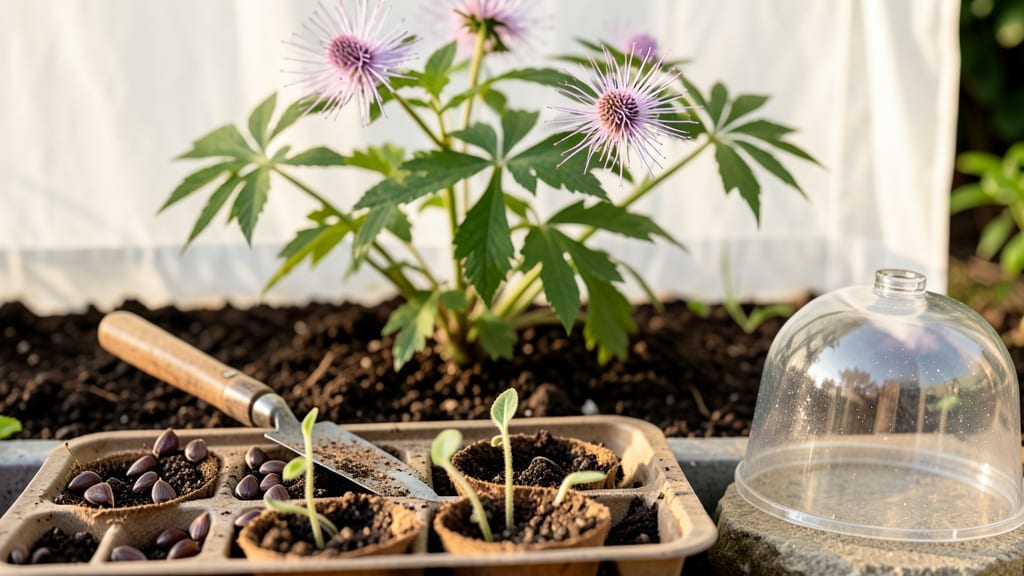
Sowing cleome seeds gives you towering spires of pink, purple, and white blooms by midsummer—60 days from a simple packet. 🌸 I’ve grown cleomes for years, and they’re the easiest annual to coax into dramatic vertical displays that hummingbirds adore.
Start indoors 4-6 weeks before your last frost or direct-sow after soil warms to 60°F. Press seeds just ¼-inch deep—they need light to germinate—then keep them moist but not soggy. Cleomes hate being moved, so if starting indoors, transplant carefully or skip it entirely and sow outside.
Once up, these plants grow 4-6 feet tall with almost no care. Pinch back leggy seedlings to encourage bushiness, and watch them explode into cloud-like flowers. The secret? Less water once established—cleomes thrive on neglect but wilt if overwatered. Perfect for cottage gardens, cutting arrangements, or filling awkward corners.
Here’s how to get them growing strong from day one.
📚 In This Guide
- What you need
- Instructions
- Tips and common mistakes
- Wrapping up and next steps
What you need
- ● Cleome seeds: 1–2 packets (50–100 seeds per packet, non-GMO for best results).
- ● Seed-starting mix: 1–2 bags (sterilized, peat-free, or coco coir blend for moisture control).
- ● Seed trays or pots: 2–4 (3–4" deep, with drainage holes).
- ● Grow lights or sunny windowsill: 1 (full-spectrum LED, 12–16 hrs/day if indoors).
- ● Spray bottle: 1 (for gentle watering).
- ● Plant labels: 10–20 (biodegradable or wooden sticks).
- ● Gloves: 1 pair (gardening gloves for soil handling).
- ● Small hand trowel: 1 (for transplanting seedlings).
- ○ Heat mat (optional): 1 (70–75°F for faster germination).
- ● Fertilizer: 1 (balanced 10-10-10 or organic compost tea for seedlings).
- ○ Mulch (optional): Straw or shredded leaves (to retain moisture post-transplant).
How to sow cleome seeds for stunning summer blooms
Here's the straightforward method I use to grow cleome's dramatic, balloon-like flowers reliably every season.
🌱 Step 1: Prepare the Soil and Planting Site
Cleome thrives in well-draining soil with full sun exposure. Work 2-3 inches of compost into the top layer of your garden bed to improve fertility and drainage—cleome roots hate soggy conditions. The ideal planting time is 2-4 weeks after your last frost when soil temperatures reach at least 60°F.
For containers, use a mix of 50% potting soil and 50% perlite or coarse sand to prevent compaction. Cleome's deep taproot system needs room to establish, so plant in areas where you won't disturb the soil later. You'll see the first true leaves emerge within 10-14 days—that's your cue everything is working.
🌱 Step 2: Sow Seeds at the Correct Depth
Scatter seeds ¼ inch deep and 12-18 inches apart—cleome grows tall and needs space to avoid crowding. I like to plant them in groups of 3-5 for a dramatic spire effect. The seeds are large and easy to handle, so there's no need for thinning later.
Lightly cover the seeds with soil and water gently but thoroughly. Cleome seeds germinate best in warm conditions, so avoid planting in cool, damp soil. You'll notice the first sprouts in 7-14 days, depending on your climate. If germination takes longer than two weeks, the soil may be too cold—wait until temperatures rise before replanting.
☀️ Step 3: Provide Full Sun and Consistent Moisture
Once seedlings appear, move them to a location with 6+ hours of direct sunlight daily. Cleome plants grow tall and leggy without enough light, so a south-facing spot is ideal. If you're growing in containers, place them where they'll get maximum sun exposure.
Water deeply once a week during dry spells, allowing the top 2 inches of soil to dry out between waterings. Overwatering causes root rot, which is fatal to cleome. You'll see the plants begin to spire upward within 4-6 weeks—this is when they start developing their iconic balloon-shaped flowers.
✂️ Step 4: Support and Maintain for Long Bloom Time
Cleome's tall stems often need support, especially in windy conditions. Install 6-foot tall stakes or a trellis at planting time to prevent flopping. The plants will naturally climb and twist around the support as they grow.
Deadhead spent blooms regularly to encourage continuous flowering. Cleome produces flowers along the entire stem, so cutting back the tallest stems by 1/3 in midsummer can stimulate new growth and prolong the bloom season. You'll enjoy vibrant flowers from late summer through fall with proper care.
🌿 Step 5: Prevent Common Pests and Diseases
Cleome is generally pest-resistant, but watch for aphids or spider mites on new growth. Spray affected areas with neem oil if you notice curling leaves or sticky residue. The plants are also susceptible to powdery mildew in humid conditions—improve airflow by spacing plants properly and avoid overhead watering.
Rotate your cleome plants annually to prevent soil-borne diseases. The deep roots help break up compacted soil, so they're excellent for garden maintenance. With proper care, cleome will self-seed prolifically, giving you free plants for years to come.
Tips & tricks for growing stunning cleome blooms
Took me years to perfect these details—they're what turned my cleome garden from patchy to show-stopping. Here's what nobody tells you about growing these bold summer stars.
Soil Temperature is Non-Negotiable: That 60°F soil temperature minimum isn't just a suggestion—it's the difference between reliable germination and weeks of waiting. I test soil temps with a thermometer before planting, especially in cooler climates. If your soil is below 60°F, either wait or use black plastic mulch to warm it up faster. The seeds won't sprout until conditions are right, so don't rush this step.
Planting Groups Create Drama: The instructions mention spacing seeds 12-18 inches apart, but I plant them in tight clusters of 3-5 seeds every 2 feet. This creates those stunning vertical spires you see in garden photos. The plants naturally lean toward each other, forming natural trellises. Just be sure to thin to the strongest seedling per cluster once they're 3 inches tall—no need to pull the whole cluster, just the weakest ones.
Sunlight is Everything: While cleome tolerates some afternoon shade, those 6+ hours of direct sunlight are critical for strong stems and abundant blooms. I've seen plants grown in partial shade become leggy and produce fewer flowers. If your garden has limited sun, consider using reflective mulch around the base to maximize light exposure. And remember: containers need even more sun exposure than in-ground plants.
Watering Wisdom for Tall Stems: The once-a-week watering guideline works for most climates, but cleome's deep roots actually prefer slightly drier conditions between waterings. I check the top 2 inches of soil—if it's still damp, I wait another day. The key is to avoid wetting the leaves, which can lead to powdery mildew. Water at the base in the morning to give foliage time to dry completely before evening humidity sets in.
Pro Tips for Sowing Cleome Seeds
- Took me years to perfect these details—they're what turned my cleome garden from patchy to show-stopping.
- Soil Temperature is Non-Negotiable: That 60°F soil temperature minimum isn't just a suggestion—it's the difference between reliable germination and weeks of waiting.
- Planting Groups Create Drama: The instructions mention spacing seeds 12-18 inches apart, but I plant them in tight clusters of 3-5 seeds every 2 feet.
Frequently asked questions
Got questions about growing cleome from seeds? You’re not alone—this vibrant, fast-growing plant has a few quirks! Here are answers to the most common queries to help you cultivate stunning spires with confidence.
When is the best time to sow cleome seeds?
Cleome thrives in warm soil, so wait until after the last frost when nighttime temps stay above 50°F (10°C). For early blooms, start seeds indoors 6–8 weeks before transplanting (use biodegradable pots to avoid root disturbance). In warmer climates, direct-sow seeds in spring or early summer for summer-long color.
How long does it take for cleome seeds to germinate?
Germination is fast—usually 7–14 days in warm, moist soil (70–80°F / 21–27°C). For quicker results, soak seeds overnight before planting, as their hard outer shell can slow sprouting. Thin seedlings to 12–18 inches apart once they’re 2–3 inches tall to prevent overcrowding.
Why aren’t my cleome seeds sprouting?
If seeds refuse to germinate, check these common culprits:
- Cold soil: Cleome hates chilly temps—wait for warmth!
- Dry soil: Keep seeds consistently moist (not soggy) until germination.
- Old seeds: Store-bought seeds lose viability after 1–2 years. Test viability by soaking a few seeds—if they sink, they’re likely good.
- Depth issues: Plant seeds ¼ inch deep; deeper planting can suffocate them.
If all else fails, try a fresh batch—cleome seeds are cheap and easy to replace!
Can I grow cleome in containers or small spaces?
Cleome’s tall, vertical growth habit makes it perfect for containers, trellises, or small gardens. Use pots at least 12 inches deep and wide, with well-draining soil. For balconies, pair it with trailing plants (like nasturtiums) to create a dramatic, layered display. Just ensure containers get full sun (6+ hours daily).
Are cleome plants annuals or perennials?
Cleome is a tender annual in most climates, meaning it completes its lifecycle in one growing season. However, in USDA Zones 9–11 (or frost-free areas), it may self-seed prolifically—leading to volunteer plants the following year! If you love cleome, let a few seed pods dry on the plant to encourage natural regrowth.
Wrapping up and next steps
Sowing cleome seeds is a rewarding journey that brings vibrant, dramatic blooms to your garden in just 60 days! With the right soil, spacing, and a little patience, you’ll be greeted by striking spires that attract pollinators and add height to any landscape.
Whether you’re a beginner or a seasoned gardener, these fast-growing beauties are a joy to cultivate.
Now that you’re armed with tips and tricks, grab those seeds and get planting! 🌱 Start small—try a few pots or a dedicated bed—and watch your garden transform. Ready for more? Explore companion plants or creative ways to showcase your cleome blooms in containers or borders.