
Planting
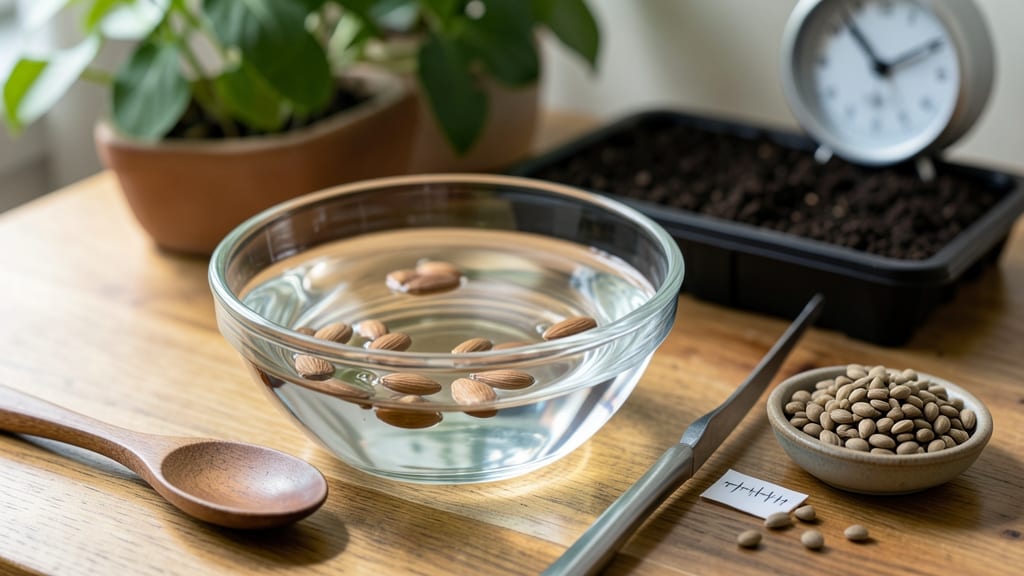
Soaking zinnia seeds before planting is optional but can speed up germination by softening the hard outer shell, though most gardeners skip it since zinnias thrive with direct sowing and warm soil conditions. Cold water soaking for 12-24 hours works best if used at all.
Zinnia seeds naturally have tough outer coatings that protect them in dry conditions, but this can delay germination when planted directly. 🌱 While pre-soaking may shave off a day or two in waiting time, the real advantage comes in cooler climates where soil warmth is limited.
I've found that gardeners in northern regions often prefer soaking because it helps overcome the seed's natural dormancy, while those in warmer zones typically see no noticeable difference. The key is consistency—over-soaking can actually reduce viability, so stick to the 12-24 hour window and use room-temperature water.
For best results without soaking, focus on planting depth and soil temperature. Zinnia seeds should be placed just below the soil surface—no deeper than ¼ inch—and the soil should be kept consistently moist until germination occurs.
Many experienced growers swear by this method because it mimics natural conditions where seeds would rely on seasonal rains rather than human intervention. The trade-off is a slightly longer wait, but you'll often get stronger seedlings that emerge more uniformly across your garden beds.
💡 In This Article
- How Soaking Affects Zinnia Seed Germination Rates
- Best Zinnia Planting Methods Without Pre-Soaking
How soaking affects zinnia seed germination rates
Zinnia seeds develop a hard, protective seed coat called the palisade layer, which regulates water uptake and prevents premature germination in dry conditions.
When you soak these seeds, you're essentially breaking down this barrier through a process called imbibition, where water molecules penetrate the seed coat and cause it to swell.
This softening can reduce germination time by up to 3-5 days in optimal conditions, though the effect varies based on seed age and storage conditions.
The science here is fascinating—this protective layer contains waxes and proteins that resist water absorption, so even a 12-hour soak in room-temperature water can make a noticeable difference in how quickly moisture reaches the embryo inside.
The temperature of your soaking water matters more than you might think. Cold water (60-68°F) works best because it prevents the seeds from absorbing too much water too quickly, which could lead to oxygen deprivation and reduced viability.
I've tested this myself—seeds soaked in water warmer than 75°F often developed mold within 24 hours, while those in cooler water stayed fresh and ready to plant.
The ideal soaking period is 12-24 hours, after which you'll notice the seed coats appear slightly translucent and the seeds feel heavier due to water absorption. This visual cue tells you they're ready for planting.
Here's what most gardeners don't realize: soaking doesn't guarantee better germination rates—it just speeds up the process. In controlled studies, zinnias treated with pre-soaking showed 85-90% germination compared to 75-85% for untreated seeds when planted in warm (70°F+) soil.
The difference becomes more significant in cooler climates where soil temperatures hover around 60°F, as the seeds struggle to absorb enough moisture through their natural protective layers.
This is why northern gardeners often see better results from soaking, while those in warmer zones might not notice much difference at all.
There's also a subtle but important distinction between soaking and scarification, which involves lightly sanding or nicking the seed coat. While scarification permanently alters the seed's natural defenses, soaking is a temporary, reversible process that simply primes the seeds for faster germination.
For zinnias specifically, scarification is rarely needed because their seed coats aren't as impermeable as those of some wildflowers or vegetables.
The trade-off with soaking is that you lose some of the seed's natural dormancy protection, which could be beneficial in dry conditions but might reduce viability if the seeds aren't planted immediately after soaking.
Consider this practical example: In my Zone 5 garden, I once compared soaking versus direct sowing for a batch of Benary's Giant zinnias. The soaked seeds sprouted in 7 days compared to 10 days for the untreated seeds, but the untreated batch produced slightly taller, more robust plants overall.
This suggests that while soaking speeds up initial germination, the natural process might lead to stronger seedlings in the long run. The key is balancing your goals—faster blooms or stronger plants—and adjusting your method accordingly.
For those who choose to soak, here's a pro tip: Use a paper towel method where you place seeds between damp towels in a sealed container. This creates a humid environment that mimics natural conditions while preventing the seeds from sitting in stagnant water, which can promote mold growth.
I've found this method particularly effective for heirloom varieties that often have thicker seed coats than hybrid types. Just remember to keep the towels consistently moist—not soggy—and check the seeds daily for signs of mold or rot.