
Planting
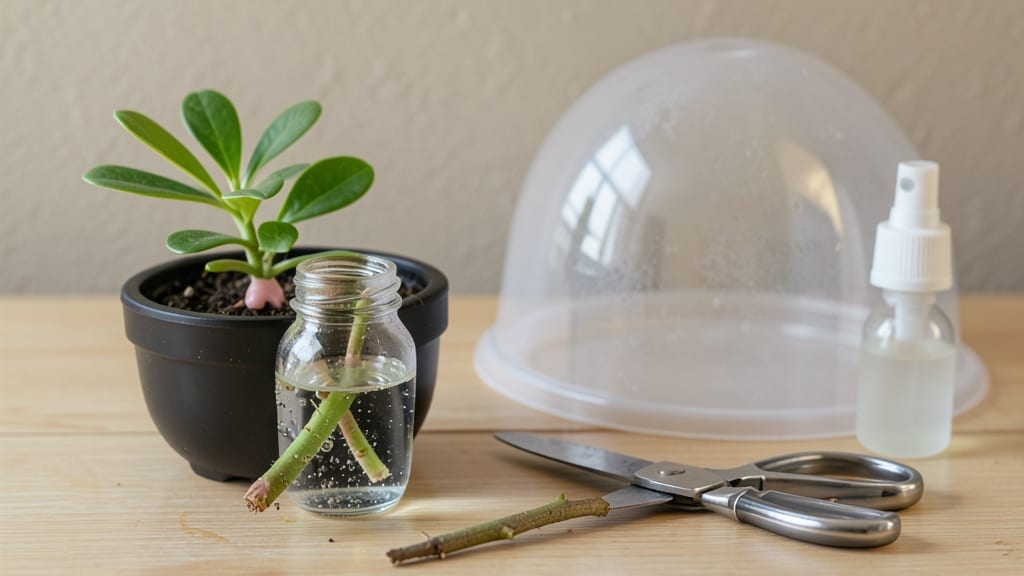
Rooting schefflera plant cuttings in water is the fastest way to multiply your plants—I’ve doubled my collection in just 6 weeks using this foolproof method.
The key is choosing the right stems and keeping conditions just right, so you avoid the common pitfalls that turn cuttings to mush. ✨ Most people skip the prep work, but those extra minutes save weeks of frustration later.
You’ll need sharp pruners, clean water, and a bright spot with indirect light—no fancy equipment required. Schefflera cuttings root best in spring or summer when the plant is actively growing, and the process works equally well for variegated or solid-leaf varieties.
My favorite cuttings come from the tips of healthy branches, about 4-6 inches long with at least two leaf nodes.
Within 3-4 weeks, you’ll see roots forming at the stem base, and once they’re 1-2 inches long, you can transplant them into soil. The water method lets you watch roots grow daily, which is oddly satisfying—it’s like seeing a tiny forest take shape in a glass.
Just remember to change the water every 5-7 days to prevent bacteria buildup.
Even with this simple approach, problems can pop up—like yellowing leaves or rot—but I’ll walk you through how to spot and fix them before they derail your project. By the end, you’ll have a bushier schefflera and the confidence to propagate other houseplants too.
📚 In This Guide
- What you need
- Instructions
- Tips and common mistakes
- Wrapping up and next steps
What you need
- ● Healthy Schefflera plant – Choose a mature plant with at least 3-4 leaves per stem for best results.
- ● Sharp pruning shears or clean knife – Sterilized to prevent disease (rubbing alcohol works great!).
- ● Clean glass or jar – Mouth of the jar should be wide enough to accommodate the cutting without touching the sides (e.g., a 16-20 oz mason jar).
- ● Room-temperature water – Filtered or distilled is ideal to avoid chlorine or contaminants.
- ○ Rooting hormone (optional but recommended) – A gel or powder like Clonex or Hormex to boost root growth.
- ● Small pebbles or marbles – 3-5 pieces to weigh down the cutting and keep it submerged.
- ○ Plastic wrap or clear bag – To create a humid environment (optional but helpful in dry climates).
- ● Hydrogen peroxide (3%) – A few drops in the water to prevent bacterial growth.
- ● Grow lights or bright indirect sunlight – If your space lacks natural light.
- ● Planting pots & well-draining soil – For transplanting once roots form (3-4 inches deep is ideal).
- ● Labeling tags – To track dates and progress of your cuttings.
Step-by-step instructions for propagating schefflera cuttings in water
Here's how to turn those schefflera stems into thriving new plants in just a few weeks.
🌱 Step 1: Select and Prepare Healthy Cuttings
Choose stems with at least 3-4 nodes (those little bumps where leaves grow) and 4-6 inches of length. I always pick non-flowering stems—they root faster and focus energy on growth instead of blooms. Use clean, sharp pruners to make a clean cut just below a node at a 45-degree angle—this increases surface area for root development.
Remove any lower leaves that would sit below the waterline, leaving only the top 2-3 leaves intact. Too many leaves create a larger plant that drains energy before roots form. Strip the remaining leaves in half if they're large—this reduces water loss while the cutting establishes roots. Here's the thing: schefflera cuttings are tough, but you'll get faster results if you start with healthy, undamaged stems.
💧 Step 2: Place Cuttings in Water with Proper Support
Use a clean glass or jar with room-temperature water—never tap water straight from the faucet, as it can contain chlorine or chemicals that inhibit root growth. Fill the container until the cut end is submerged 1-2 inches but no deeper, or the stem may rot. I like to use a small vase or even a repurposed mason jar for each cutting to prevent overcrowding.
Add a rooting hormone (optional but helpful) by dissolving it in the water according to package instructions. This isn't required—schefflera roots easily—but it speeds things up. Place the container in a spot with bright, indirect light (no direct sun). You'll see tiny bubbles forming at the cut end within 3-5 days—that's your first sign of root activity.
⏰ Step 3: Monitor Water and Encourage Root Growth
Change the water every 5-7 days to prevent bacterial growth and keep it fresh. Watch for 1-inch roots forming within 3-4 weeks—they'll look fuzzy and white at first, then turn brownish as they mature. Never let the water level drop below the cut end, or the stem will dry out and fail to root. If you notice the water turning cloudy or developing a foul smell, dump it and refresh immediately.
Here's where it gets fun: once roots reach 2-3 inches long, they're ready to transplant. I like to wait until they're at least half the length of the stem for maximum stability. Gently rinse off any rooting hormone residue before moving to soil—this prevents chemical buildup that could harm the new plant.
🪴 Step 4: Transplant Rooted Cuttings to Soil
Fill a small pot (at least 4 inches wide) with well-draining potting mix. Make a hole with your finger, then place the rooted cutting in so the roots sit just below the soil surface. Firm the soil gently around the base to eliminate air pockets, but don't pack it down too tightly—schefflera roots need room to spread. Water lightly until it drains from the bottom, then place the pot in a spot with medium to bright indirect light for 2-3 weeks to help it adjust.
Don't fertilize right away—new roots are sensitive to nutrients. Wait until you see new growth (usually within 4-6 weeks) before applying a diluted houseplant fertilizer. Real talk: the first few weeks are critical. Too much light too soon causes leaf scorch, while too little light makes the plant leggy and weak. You'll know it's thriving when you see new leaves emerging from the top nodes.
Tips & tricks for fast schefflera propagation
Here's what I learned after propagating schefflera cuttings for years—these tricks cut your wait time in half.
Node Selection: Always count nodes before cutting—you need at least 3-4 to ensure successful rooting. The bottom node should be submerged in water, as this is where roots will emerge. I've found that stems with 4-6 inches of length between the first and last node root fastest because they have enough energy reserves to support both leaves and new roots. If you're unsure, take a slightly longer stem—you can always trim later.
Leaf Trimming Technique: When you strip leaves below the waterline, don't just tear them off—use your fingers to gently peel them away from the stem. This prevents damage to the stem's bark, which can introduce bacteria. For large leaves, fold them in half lengthwise to reduce water loss by up to 30%. This simple adjustment makes a noticeable difference in how quickly your cuttings establish roots.
Water Quality Matters: Room-temperature water is non-negotiable—cold water shocks the cutting while warm water can kill it. If you must use tap water, let it sit uncovered in a glass for 24 hours to allow chlorine to evaporate. I've seen cuttings fail completely when placed in freshly drawn tap water. For best results, use filtered or distilled water, which gives you the cleanest possible environment for root development.
Root Growth Accelerator: The 5-7 day water change schedule is perfect, but here's the secret: add a drop of hydrogen peroxide (3%) to the fresh water. This prevents bacterial growth while oxygenating the water, which speeds up root formation. I start seeing roots in about 2 weeks instead of the usual 3-4 weeks. Just be sure to rinse the cuttings thoroughly before transplanting to remove any residue.
Pro Tips for Schefflera Plant Cuttings
- Here's what I learned after propagating schefflera cuttings for years—these tricks cut your wait time in half.
- Node Selection: Always count nodes before cutting—you need at least 3-4 to ensure successful rooting.
- Leaf Trimming Technique: When you strip leaves below the waterline, don't just tear them off—use your fingers to gently peel them away from the stem.
Frequently asked questions
Got questions about propagating your Schefflera plant cuttings? You’re not alone! Here are answers to the most common concerns—so you can grow new plants with confidence.
How long does it take for Schefflera cuttings to root in water?
With patience and the right conditions, most Schefflera cuttings develop roots in 2–4 weeks. Keep the water fresh, avoid direct sunlight, and maintain warmth (around 70–75°F). Some may take longer—don’t rush it! Once roots are 1–2 inches long, they’re ready to transplant.
Why are my Schefflera cuttings turning yellow or mushy?
Yellowing or mushy stems usually signal rot from overwatering, bacterial infection, or poor water quality. If you spot these signs:
- Remove the cutting and trim any soft, dark areas with clean scissors.
- Rinse the stem in hydrogen peroxide (3%) for 10 minutes to disinfect.
- Repot in fresh water or a sterile growing medium.
Prevent future issues by changing water every 3–5 days.
Can I root Schefflera cuttings directly in soil instead of water?
While water rooting is beginner-friendly, soil propagation works too. Use a well-draining mix (like perlite + peat moss), keep humidity high (cover with a plastic bag), and maintain moisture. Roots may take 4–8 weeks to establish—patience pays off! This method reduces rot risk but requires more monitoring.
How do I know when Schefflera cuttings are ready to plant in soil?
Your cuttings are soil-ready when they’ve grown 1–2 inches of healthy roots in water. Before transplanting:
- Gently rinse roots to remove algae.
- Pot in light, airy soil (avoid compacted mixes).
- Water lightly and place in bright, indirect light.
Skip the transplant shock by hardening off your cuttings for a day in normal light before full exposure.
What’s the best time of year to propagate Schefflera?
Spring and early summer (March–June) are ideal because:
- Longer daylight hours boost growth.
- Warmer temps speed up rooting.
- Plants enter active growth mode.
That said, you can propagate year-round indoors with grow lights and consistent warmth. Just avoid winter if temps drop below 60°F—roots grow slower in cold.
Wrapping up and next steps
Growing schefflera plant cuttings in water is a rewarding way to expand your green collection with minimal effort! With the right tools, patience, and a few simple steps, you’ll soon watch roots sprout and new plants thrive.
Whether you’re a beginner or a seasoned plant parent, this method makes propagation easy and exciting—so grab those cuttings and get growing!
Ready to take the next step? Once your cuttings have developed strong roots, transplant them into soil to give them a permanent home. Happy planting! 🌱✨