
Planting
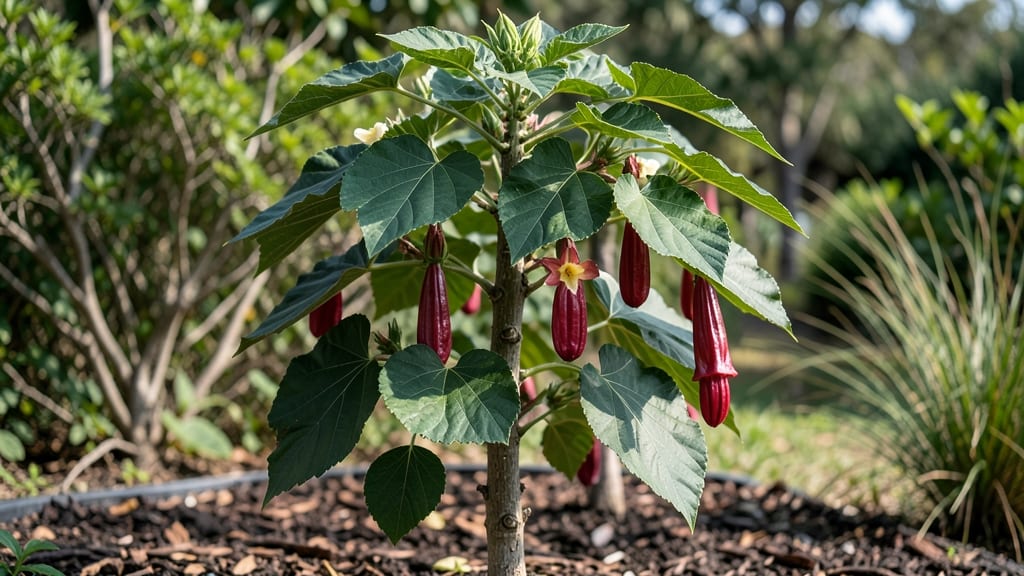
Growing roselle plants in containers lets you enjoy their striking red blooms and tangy tea leaves—even if you don’t live in a tropical paradise. 🌿 I’ve grown roselle in pots for years, and it’s become my go-to plant for both beauty and brewing.
The secret? Mimicking its natural tropical habitat with just a few simple adjustments.
Roselle thrives in well-draining soil and needs plenty of sunlight—think at least 6 hours of direct sun daily. A 5-gallon container works well for one plant, and it’s perfect for balconies or patios.
The plant’s deep green leaves and vibrant red calyces (the parts used for tea) make it a standout in any garden setting.
Once established, roselle is surprisingly low-maintenance. Keep the soil moist but not soggy, and prune regularly to encourage bushier growth. You’ll start harvesting leaves and calyces in as little as 3-4 months, and the plant keeps producing well into fall.
Whether you’re growing it for its stunning flowers, its health benefits, or both, roselle is a versatile addition. Just be mindful of frost—it’s a tender perennial, so bring pots indoors or protect them in cooler climates. Ready to grow your own?
📚 In This Guide
- What you need
- Instructions
- Tips and common mistakes
- Wrapping up and next steps
What you need
- ● Roselle seeds or cuttings: Seeds: 5–10 (for better germination odds)
- ● Cuttings: 2–3 healthy stems (4–6 inches long, with nodes)
- ● Growing containers: 1–2 large pots (12–18 inches deep, with drainage holes)
- ○ Optional: Fabric grow bags (for better aeration)
- ● High-quality potting mix: 5–10 gallons of well-draining, organic-rich soil (pH 5.8–6.5)
- ● Mix in: Perlite or coconut coir (20% by volume) for drainage
- ● Fertilizer: Balanced liquid fertilizer (10-10-10 or 20-20-20, diluted to half-strength)
- ○ Optional: Slow-release granules (for steady nutrition)
- ● Watering supplies: Watering can or hose with a gentle spray nozzle
- ● Pro tip: Use rainwater or filtered water to avoid chlorine buildup 💡
- ● Support system: Bamboo stakes or trellis (for climbing varieties, 5–6 feet tall)
- ● Warmth: Full sun (6+ hours daily) and temperatures above 60°F (15°C)
- ● Humidity: High humidity (50%+) or misting routine (roselle loves moisture!)
- ● Location: Outdoor: Balcony, patio, or garden (USDA Zones 9–11; elsewhere, grow as annual)
- ● Indoor: Bright window or grow lights (12+ hours/day)
- ● Time: Patience! Germination takes 10–21 days, and harvest is 4–6 months away.
Step-by-step guide to growing roselle in containers
Here’s how I grow vibrant roselle plants—tough, sun-loving, and perfect for containers.
🌱 Step 1: Choose the Right Container and Soil Mix
Roselle thrives in 5-gallon containers or larger, with drainage holes to prevent soggy roots. I use unglazed terra cotta pots—they wick away excess moisture, which roselle hates. Fill the bottom third with coarse perlite or gravel for drainage, then add a well-draining potting mix blended with 20% compost. This ensures roots stay aerated while retaining enough moisture for tropical growth.
Press the mix down gently until it’s level but not compacted. Roselle roots spread aggressively, so a 12-inch diameter pot gives each plant enough room to establish without crowding. If you’re growing 4 plants (as this setup supports), space them 12-18 inches apart—closer spacing leads to weak stems and fewer blooms.
☀️ Step 2: Plant Seeds or Transplants at the Right Time
Start seeds indoors 8-10 weeks before your last frost, or buy healthy transplants from a nursery. Roselle seeds germinate best in warm soil (75-85°F), so I preheat the soil mix in a seedling heat mat for 3-5 days before planting. Drop 2-3 seeds per pot at a depth of ½ inch, then cover lightly with soil. Mist gently with water until the surface is damp but not soggy.
Keep the soil consistently moist (not wet) and place pots in a bright, warm spot with indirect light until sprouts appear in 7-14 days. Once seedlings reach 3-4 inches tall, thin to the strongest plant per pot. If you’re transplanting mature plants, bury them to the same depth they were in their nursery pots—roselle roots don’t like being disturbed.
💧 Step 3: Provide Full Sun and Consistent Moisture
Roselle is a full-sun lover, needing 6-8 hours of direct sunlight daily. Place pots in a south-facing spot or under grow lights if outdoor space is limited. In hot climates, afternoon shade protects leaves from scorching. You’ll know your plants are happy when they grow bold, deep green leaves and rapidly produce new shoots—a sign they’re thriving.
Water deeply 2-3 times per week, soaking the soil until water drains from the bottom. Let the top 1-2 inches dry out between waterings—roselle wilts quickly if thirsty but rots just as fast if overwatered. Mulch the soil surface with 1 inch of straw to retain moisture and keep roots cool. Fertilize every 4-6 weeks with a balanced liquid fertilizer (10-10-10) to encourage lush growth and abundant blooms.
✂️ Step 4: Prune and Harvest for Continuous Production
Pinch back the top set of leaves when plants are 12-18 inches tall to encourage bushier growth. This step is critical—without pruning, roselle grows leggy and produces fewer calyces (the edible flower buds). Use clean, sharp scissors to snip just above a leaf node, and repeat every 4-6 weeks to maintain shape and productivity.
Harvest calyces when they’re 3-4 inches long but before they open into flowers. Twist or cut the buds gently to avoid damaging the stem. You’ll see new buds forming within 2-3 weeks—this tells you the plant is healthy and ready for another harvest. Store fresh calyces in the fridge for up to 1 week or dry them for tea and soups.
🌿 Step 5: Overwintering and Long-Term Care
Roselle is tender and frost-sensitive, so bring pots indoors before temperatures drop below 50°F. Place them near a sunny window or under grow lights for 12-14 hours daily. Reduce watering to once every 10-14 days, letting the soil dry more between waterings. Prune back one-third of the plant to conserve energy and encourage new growth in spring.
In warm climates, roselle can grow year-round. If you notice yellowing leaves, it’s often a sign of overwatering or nutrient deficiency. Adjust care by letting the soil dry slightly longer or adding a balanced fertilizer to revive the plant. With proper overwintering, your roselle will bounce back strong in spring, ready for another season of harvests.
Tips & tricks for thriving roselle plants in containers
Here's what nobody tells you about growing roselle that'll make all the difference between struggling plants and a bountiful harvest.
Container Size Matters: While 5-gallon containers work for single plants, I've found that 7-10 gallon containers give roselle the room it needs to establish strong root systems without becoming root-bound. The 12-inch diameter recommendation is perfect, but if you're growing multiple plants in one container, increase the diameter to 18 inches and space them 18 inches apart—this prevents competition for nutrients and sunlight. The key is giving those aggressive roots space to spread horizontally while maintaining proper drainage.
Soil Temperature Secret: Those 75-85°F soil temperatures in Step 2 aren't just about germination—they're about mimicking roselle's tropical origins. I use a seedling heat mat for 3-5 days before planting, but if you don't have one, place your pots on top of your fridge or near a warm south-facing window. Cold soil slows germination dramatically, and roselle seeds can take 3-4 weeks to sprout if soil stays below 65°F. Pro tip: Test soil temperature with a soil thermometer—it's the only reliable way to ensure consistent warmth.
Sunlight Strategy: The 6-8 hours of direct sunlight required is non-negotiable, but here's what I do when space is limited: I rotate containers quarter-turn daily to ensure even exposure. In apartments, I supplement with full-spectrum LED grow lights for 12-14 hours daily—position them 6-12 inches above plants to mimic natural sunlight intensity. Watch for purple-tinged leaves, which signal insufficient light, and adjust immediately.
Watering Wisdom: That 2-3 times per week guideline works for most climates, but I've learned to adjust based on pot material. Terra cotta pots dry out faster, so I water them every 2 days in summer, while plastic pots may need watering only twice weekly. The real secret is checking soil moisture by lifting the pot—if it feels light, it's time to water. Overwatering is the #1 killer of container roselle, so always let that top 1-2 inches dry out before watering again.
Pro Tips for Roselle Plant Growing
- Here's what nobody tells you about growing roselle that'll make all the difference between struggling plants and a bountiful harvest.
- Container Size Matters: While 5-gallon containers work for single plants, I've found that 7-10 gallon containers give roselle the room it needs to establish strong root systems without becoming root-bound.
- Soil Temperature Secret: Those 75-85°F soil temperatures in Step 2 aren't just about germination—they're about mimicking roselle's tropical origins.
Frequently asked questions
Got questions about growing your own roselle plant? You’re not alone—this vibrant tropical beauty has a few quirks! Here are some of the most common concerns and their solutions to help you cultivate a thriving roselle plant with ease.
How long does it take for a roselle plant to grow from seed to harvest?
A roselle plant typically takes 3 to 4 months from seed to produce flowers and calyces (the edible parts). With warm temperatures (70–85°F) and consistent care, you can expect the first harvestable calyces around 4 to 6 months after planting. Patience is key—these plants grow fast once they’re established!
Can roselle plants survive cold weather, or do I need to bring them indoors?
Roselle is a tropical plant and struggles in temperatures below 50°F (10°C). If you live in a colder climate, treat it as an annual or move potted plants indoors during winter. A sunny windowsill or grow light can keep it alive, though it may go dormant. In frost-prone areas, start new seeds each spring for a fresh harvest.
Why aren’t my roselle flowers opening, or are they falling off?
If your roselle flowers aren’t opening or are dropping, it’s often due to stress. Check for these common issues:
- Insufficient sunlight: Roselle needs 6+ hours of direct sun daily. Move it to a sunnier spot or supplement with grow lights.
- Overwatering: Yellowing leaves or wilting? Let the top inch of soil dry out between waterings.
- Nutrient deficiency: Feed with a balanced fertilizer (like 10-10-10) every 4–6 weeks for blooms.
If the problem persists, pests (like aphids) or fungal issues could be culprits—inspect leaves and treat gently with neem oil if needed.
Can I grow roselle in containers, and what size pot should I use?
Roselle thrives in containers and is perfect for small spaces. Use a pot at least 12–18 inches deep with drainage holes to prevent root rot. Since it grows 6–10 feet tall, opt for a wide pot or stake it for support. Ensure the container is large enough for 2–3 plants if you’re growing in a community setting.
What’s the best way to use harvested roselle calyces?
Harvest calyces when they’re bright red and fully open (or green for hibiscus tea). Rinse them gently, then:
- Dry in the sun or dehydrator for hibiscus tea (steep 1 tbsp dried calyces in hot water for 5–10 mins).
- Use fresh in soups, stews, or jams for a tangy, cranberry-like flavor.
- Blend into smoothies or juices for a vibrant, vitamin C boost.
Pro tip: Freeze extras in ice cube trays for quick use later!
Wrapping up and next steps
Growing a roselle plant is a rewarding journey—whether you’re drawn to its vibrant flowers, health-boosting hibiscus tea, or the joy of nurturing a tropical beauty in containers!
With the right sunlight, soil, and care, this sun-loving plant can thrive even in small spaces, offering both beauty and benefits year-round. 🌿
Now that you’re armed with the essentials, why not take the next step? Start with a single cutting or seed, experiment with container setups, and watch your roselle flourish.
Share your progress with fellow plant enthusiasts or even gift a cutting to a friend—spreading the love (and the tea!) one plant at a time. Happy growing! 🌱✨