
Planting
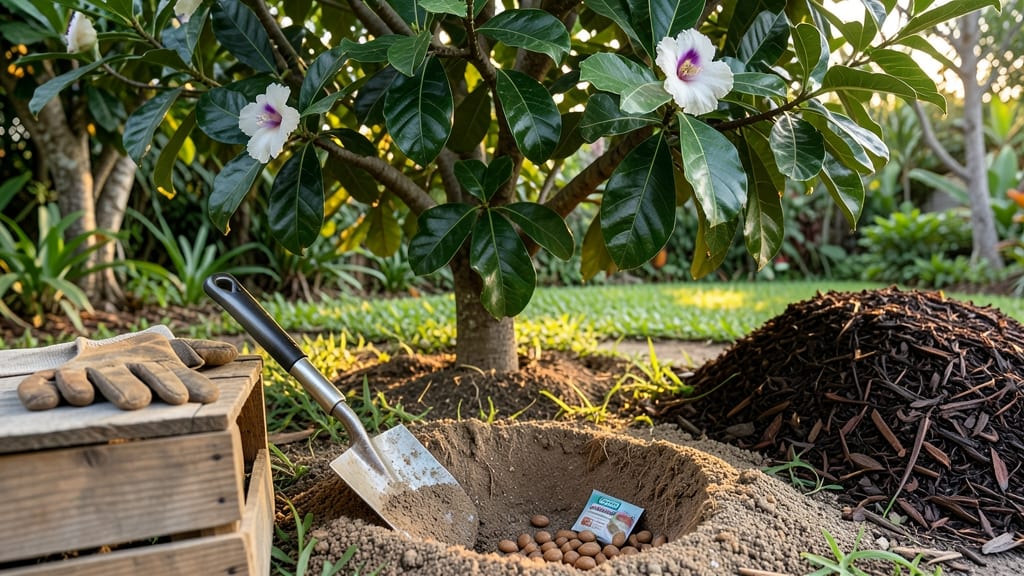
Planting sugar apple seeds gives you a chance to grow a tropical fruit tree that smells like candy and tastes like sunshine. 🌱 I’ve started mine in small pots, and within months, they’ve sent out thick, glossy leaves that promise future harvests—though patience is key, since fruit can take 2-3 years to appear.
The secret to success starts with fresh seeds and warm, well-draining soil. Sugar apples thrive in heat and humidity, so if you live in cooler zones, a greenhouse or sunny windowsill becomes your best friend.
Most people overwater at first, but these seedlings hate soggy roots—keep the soil lightly moist, not soaked. By the time your seedlings hit 6 inches tall, they’ll be ready for transplanting into larger pots or the ground.
The first real leaves look like tiny maples, and that’s your signal to start fertilizing lightly. With the right care, you’ll see those signature heart-shaped leaves and, eventually, the sweet, creamy fruit that makes it all worth the wait.
Grown for both fruit and ornamental value, sugar apples add drama to any garden with their fragrant blooms and glossy foliage. Here’s how to keep them thriving from the very first sprout.
📚 In This Guide
- What you need
- Instructions
- Tips and common mistakes
- Wrapping up and next steps
What you need
- ● Sugar apple seeds: 3–5 fresh, viable seeds (harvested from ripe fruit or purchased from a trusted supplier). Pro tip: Soak seeds in warm water for 24 hours to speed up germination! 💡
- ○ Seed-starting trays or small pots: 4–6 (3–4 inches deep) with drainage holes. Optional: Biodegradable peat pots for easy transplanting.
- ● Well-draining potting mix: 1–2 bags of a lightweight, airy blend (e.g., 50% coco coir, 30% perlite, 20% vermiculite). Avoid heavy garden soil.
- ● Plastic wrap or humidity dome: To retain moisture during germination.
- ● Spray bottle: For gentle watering (avoid over-saturating seeds).
- ● Grow lights or sunny windowsill: Sugar apples thrive in warmth (75–85°F) and need bright, indirect light (12+ hours/day).
- ○ Fertilizer (optional but helpful): A balanced, water-soluble fertilizer (e.g., 10-10-10) diluted to half-strength for young seedlings.
- ● Warmth: A heat mat (70–80°F soil temp) speeds up germination if your climate is cool.
- ● Humidity: Aim for 70–80% humidity during germination (use a humidity tray if needed).
- ● Patience: Germination can take 2–6 weeks—stay consistent with care!
Step-by-step instructions for planting sugar apple seeds
Here's how to start your tropical fruit tree journey with minimal fuss.
🌱 Step 1: Extract and Prepare the Seeds
Sugar apple seeds need special handling to break their hard outer shell. First, remove the seeds from fresh fruit—never use dried or store-bought seeds, as they won't germinate well. I like to scoop out the pulp and wash the seeds gently under cool water to remove any remaining fruit residue.
Place the clean seeds in a bowl of warm water for 24 hours. This softens the tough seed coat and speeds up germination. You'll see tiny cracks appear after soaking—this means the seed is ready for planting. If some seeds float, discard them; only the ones that sink are viable.
🪴 Step 2: Plant in Moist, Well-Draining Soil
Use a lightweight potting mix (not garden soil) in small pots—3-4 inches deep works well for starting. Fill each pot ¾ full, leaving room for the seed. Plant one seed per pot, about ½ inch deep, with the pointed end facing upward. Gently pat the soil around it to secure it without compacting.
Water lightly until the soil feels evenly moist but not soggy. Place the pots in a warm, shaded area where temperatures stay between 75-85°F. Keep the soil consistently moist—not wet, not dry—by checking the top inch daily. A humidity dome or plastic bag helps maintain moisture while the seeds germinate.
☀️ Step 3: Provide Warmth and Gradual Sunlight
Germination can take 2-4 weeks, so patience is key. Once sprouts appear, remove any covering immediately to prevent mold. Place the seedlings in bright, indirect light—direct sun too soon will scorch the tender leaves. I start with 4-6 hours of morning sun and gradually increase exposure over 10 days to avoid shock.
When seedlings reach 3-4 inches tall, transplant them into slightly larger pots (6 inches deep) with fresh potting mix. Keep them indoors until they're 6-8 inches tall, then move them outside in a sheltered, warm spot for 2-3 hours daily, slowly increasing their time outdoors over 2 weeks before full exposure.
⏰ Step 4: Maintain Growth for Long-Term Success
Sugar apple trees grow slowly at first, so consistency is everything. Water when the top inch of soil feels dry, and fertilize lightly with a balanced tropical plant fertilizer every 4-6 weeks once they're established. Prune leggy growth to encourage bushier development, and watch for first true leaves—these signal healthy progress.
Real talk: Sugar apple trees take 3-5 years to bear fruit, but the journey is rewarding. Keep them in pots for at least 2 years before transplanting outdoors in USDA Zones 10-11—they’re tropical and won’t survive frost. With care, your seedling could grow into a 20-foot tree producing sweet, fragrant fruit!
Tips & tricks for planting sugar apple seeds
Here's what I learned after growing my first sugar apple tree from seed—and how to avoid the mistakes I made.
Seed Selection: Always use seeds from fresh, ripe fruit that's been harvested within the last 24 hours. The fresher the seed, the higher the germination rate. I learned this the hard way after trying to use seeds from fruit that had been sitting on my counter for a week—zero sprouts. Store-bought seeds often have damaged outer shells that prevent germination, so skip them entirely.
Soaking Secret: The 24-hour soak in warm water is non-negotiable for sugar apple seeds. This isn't just about softening the shell—it's about breaking the seed's dormancy. After soaking, you'll notice tiny cracks forming. These cracks are your signal that the seed is ready to plant. If you're impatient and try to plant uns soaked seeds, they'll likely rot before sprouting.
Temperature Watch: Maintaining that 75-85°F range is crucial, but here's the trick: if your home runs cooler than 70°F, consider using a seedling heat mat underneath the pots. I've found that even a 5°F drop below the ideal range can delay germination by a full week. Place your pots on a towel-lined tray to catch excess moisture while keeping them warm and cozy.
Light Transition Strategy: When you're ready to move your seedlings outdoors, don't rush the process. Start with just 2-3 hours of morning sun in a sheltered spot, then gradually increase their time outside over those 2 weeks. I've seen seedlings get sunburned when moved too quickly—it looks like white patches on the leaves, and they never fully recover. Think of it like sunbathing: start slow and build up tolerance.
Pro Tips for Plant Sugar Apple Seeds
- Here's what I learned after growing my first sugar apple tree from seed—and how to avoid the mistakes I made.
- Seed Selection: Always use seeds from fresh, ripe fruit that's been harvested within the last 24 hours.
- Soaking Secret: The 24-hour soak in warm water is non-negotiable for sugar apple seeds.
Frequently asked questions
Got questions about growing sugar apples from seed?
You’re not alone—this tropical fruit can be tricky! Here are answers to the most common queries to help you succeed.
How long does it take for sugar apple seeds to germinate?
Germination can take anywhere from 2 weeks to 3 months, depending on temperature and moisture. Keep the soil consistently damp (not soggy) and place the pot in a warm spot (70–85°F). Patience is key—some seeds may surprise you with faster sprouts!
Can I plant sugar apple seeds directly in the ground?
Nope! Start indoors in small pots with well-draining soil. Sugar apple seeds are delicate and need controlled warmth to germinate. Once seedlings are 6–12 inches tall and sturdy, transplant them outdoors in spring after the last frost (if you’re in a frost-prone zone).
Why aren’t my sugar apple seeds sprouting?
Common culprits:
- Cold soil – Seeds need warmth (use a heat mat if needed).
- Damp but not wet – Overwatering can rot seeds; mist lightly instead.
- Old seeds – Fresh seeds germinate better. Try soaking them in warm water for 24 hours first.
Do sugar apple trees grow fast?
Slow and steady wins the race! Seedlings grow 1–2 feet per year initially. Fruit production can take 5–10 years—so pick a permanent spot early. Dwarf varieties (if available) may mature faster, but most sugar apples are large trees.
Can I grow sugar apples in a pot?
Yes, but they’ll need big pots (20+ gallons) and regular repotting as they grow. Choose a container with drainage holes and use a light, airy potting mix. Just know: Potted trees may produce fewer fruits than ground-planted ones. If indoors, place near a sunny window or grow lights (6+ hours of light daily).
Pro Tip:
Want to boost germination rates? Try scarification—lightly sanding the seed coat with fine-grit sandpaper before planting. This mimics natural weathering and can help break dormancy!
Wrapping up and next steps
Planting sugar apple seeds is a rewarding journey that brings you closer to growing your own tropical fruit tree! 🌱 With patience, the right care, and a little sunshine, you’ll soon see those first leaves sprout—and maybe even sweet, fragrant fruit in years to come. Now that you’ve got the know-how, why not share your new green thumb skills? Try gifting a seedling to a fellow plant lover or experimenting with other tropical varieties.
Happy growing!