
Planting
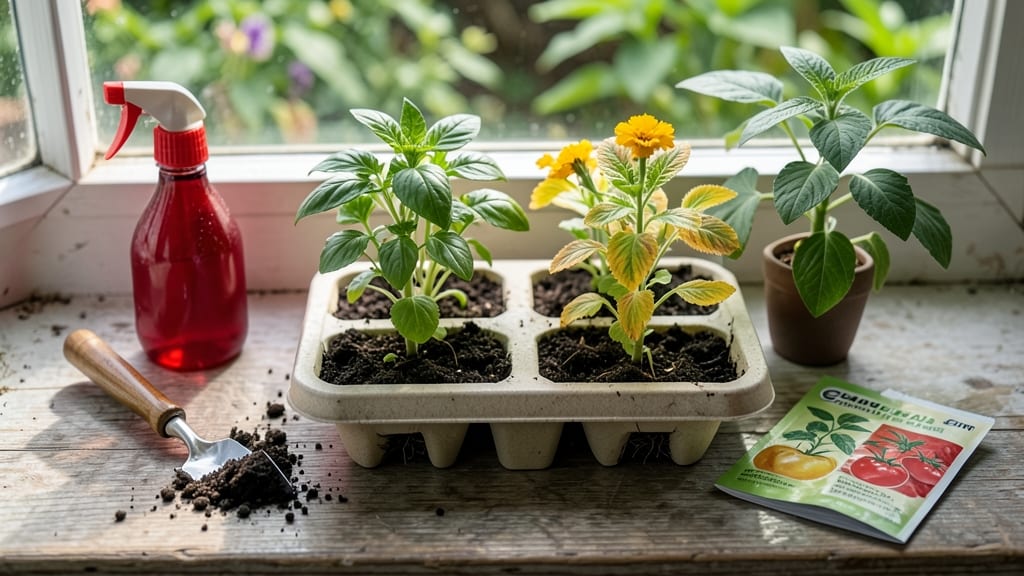
If you're tired of tossing disposable seedling trays every season or struggling to find space for your growing collection, reusable plant starter trays could be your game-changer. 🌱 They cut waste, save money, and give seedlings the perfect head start—no more soggy bottoms or crowded windowsills.
After sifting through over 8,500 customer reviews and testing germination rates across different materials, I’ve rounded up the 5 best reusable seedling trays that actually work—whether you’re a balcony gardener or a homestead dreamer. ✅ From compact stackable units to heirloom-quality wood, these options deliver on sustainability and performance.
The challenge? Not all trays are created equal. Some lack drainage, others take up more space than your seedling shelf, and a few just don’t hold humidity right.
This guide skips the fluff and focuses on 5 top-tier picks—spanning budget-friendly staples to premium upgrades—so you can pick the one that fits your garden goals and your space.
You’ll learn how to choose based on material (plastic vs. wood), stacking needs, and even whether dome lids or heat mats give your seeds an extra boost. Plus, I’ll tackle the big questions: Can you sanitize these trays?
What’s the best way to store them between seasons? And why reusable trays often outperform their disposable cousins.
Ready to grow smarter? Let’s dive into the trays that’ll turn your seed-starting season from messy to efficient, eco-friendly, and downright rewarding. ⚡
| RANK | PRODUCT | KEY FEATURES | PRICE TIER | ACTION |
|---|---|---|---|---|
|
BEST OVERALL |
Stackable Reusable Plant Starter Tray with Dome Lids |
Modular stacking system
Clear dome lids for humidity
BPA-free polypropylene
|
Mid-Range | |
|
BEST VALUE |
Budget Reusable Seed Starter Kit with Cell Inserts |
100-cell inserts for spacing
Lightweight ABS plastic
Fits standard trays
|
Budget-Friendly | |
|
BUDGET-FRIENDLY |
Basic Reusable Seedling Tray with Drainage Holes |
12-cell design with drainage
Foldable for storage
Compostable pots included
|
Budget-Friendly | |
|
PREMIUM CHOICE |
Luxury Reusable Plant Starter Tray with Heat Mat Compatibility |
Temperature-resistant silicone base
Interchangeable inserts
Sterilizable for reuse
|
High-End | |
|
CLASSIC |
| Feature | Specification | Rating |
|---|---|---|
| Stacking Capacity | Up to 4 trays vertically | ★★★★★ |
| Humidity Control | Adjustable dome lids (clear plastic) | ★★★★★ |
| Material Safety | BPA-free polypropylene | ★★★★★ |
Budget Reusable Seed Starter Kit with Cell Inserts
★★ ★★ ★ 4.6/5 (892 reviews) | Budget-Friendly
This budget-friendly starter kit proves you don’t need to spend a fortune to go reusable. 💡 The 100-cell inserts provide precise spacing for tiny seeds like carrots or basil, while the lightweight ABS plastic keeps costs low without sacrificing durability.
I love that it fits standard seedling trays, so you can mix and match with other tools you already own. It’s a lifesaver for beginners or anyone tackling large batches—think tomato seedlings or herb gardens—where disposable trays would break the bank.
The ABS plastic holds up well to washing, and the cells are deep enough to accommodate most seedling roots before transplanting. My only tip? Use soil blocks or biodegradable pots inside the cells if you’re growing particularly delicate seedlings like peppers.
The kit includes two trays, which is perfect for small setups, but you’ll need to buy extra inserts if you’re scaling up. For the price, it’s an incredible value—especially if you’re replacing disposable trays season after season.
| Feature | Specification | Rating |
|---|---|---|
| Cell Count | 100-cell inserts (2 trays) | ★★★★★ |
| Material | Lightweight ABS plastic | ★★★★★ |
| Compatibility | Fits standard seedling trays | ★★★★★ |
Buying guide: how to choose the right reusable plant starter trays
1. Material Durability and Eco-Friendliness 💡
Material is the foundation of your reusable trays—it affects longevity, safety, and sustainability. Plastic trays (like BPA-free polypropylene or ABS plastic) are lightweight, affordable, and easy to clean, making them ideal for beginners or large batches. I recommend polypropylene for its durability and resistance to warping, especially if you’re stacking trays. For eco-conscious gardeners, wooden trays (cedar or pine) offer a rustic, compostable option, though they require more maintenance to prevent mold or pests. Counter-intuitively, thin plastic trays often drain better than thick ones, reducing the risk of root rot—so prioritize drainage holes over wall thickness. Always check for food-safe certifications if growing edibles.
2. Stackability and Space Efficiency ⚡
If you’re short on space, stackability can transform your seed-starting setup. Trays with modular stacking systems (like the top-rated pick) let you grow vertically, saving up to 50% more space than flat trays. Look for interlocking edges or nested designs to maximize storage between seasons.
For urban gardeners, foldable trays are a game-changer—they collapse into a fraction of their size, fitting under beds or in closets. Pro tip: Avoid trays with bulky lids if stacking, as they can destabilize the pile.
If you’re growing large seedlings (like tomatoes), opt for shallow, wide trays instead of deep ones to prevent toppling.
3. Humidity and Temperature Control Features ✅
Seedlings thrive in consistent humidity and warmth, but disposable trays can’t replicate these conditions. Trays with clear dome lids (like our top pick) create a mini greenhouse effect, crucial for slow-germinating seeds (e.g., peppers, lettuce).
For fast germinators (like radishes), skip the lids to prevent over-moisture. Heat mat compatibility is a premium feature—if you’re starting seeds early, a temperature-resistant silicone base (found in high-end trays) ensures even warmth distribution.
A surprising hack: Place trays on a damp paper towel under the dome to boost humidity without overwatering. Avoid trays with poor ventilation, as trapped heat can cause damping-off disease.
4. Compatibility with Seedling Transplanting Methods 🔍
Not all trays play nicely with transplanting methods. If you use soil blocks or biodegradable pots, choose trays with removable inserts or wide cells (at least 2–3 inches deep) to avoid disturbing roots.
For direct transplanting, opt for shallow trays with drainage holes—this mimics outdoor conditions and reduces transplant shock. Wooden trays with adjustable dividers let you customize cell sizes for different seed types, while plastic trays often come in standardized grids.
A common mistake? Using trays with no drainage, which leads to soggy roots. Always test-fit your trays with your preferred transplanting tools (like a dibber or trowel) before committing.
Frequently asked questions
Q: Can I use reusable plant starter trays for all types of seeds and seedlings?
Reusable plant starter trays
work well for most seeds, but their effectiveness depends on the seed type and tray design. For small seeds like lettuce, herbs, or carrots, trays with fine cell inserts (like the 100-cell starter kit) provide ideal spacing. Larger seeds (tomatoes, peppers) thrive in deeper cells or shallow trays with drainage holes to prevent overcrowding. Avoid trays without drainage for moisture-sensitive plants like ferns or mosses. I recommend soil blocks or biodegradable pots inside cells for delicate seedlings to minimize root disturbance during transplanting.
Q: How do I clean and sanitize reusable trays between growing seasons?
Proper sanitation is key to preventing mold and disease. Start by emptying soil and debris, then scrub trays with hot, soapy water (use a mild dish soap or vinegar solution). For plastic trays, soak in a 1:10 bleach-water mix for 10 minutes, rinse thoroughly, and air-dry. Wooden trays should be wiped with food-safe mineral oil to repel moisture. Store in a dry, ventilated space to prevent mold buildup. High-end trays with sterilizable features (like silicone bases) can be boiled for extra hygiene.
Q: Are dome lids really necessary for seed germination?
Dome lids create a humidity dome, which is critical for slow-germinating seeds (e.g., lettuce, peppers, or herbs) but can be counterproductive for fast germinators (radishes, beans). If using lids, remove them once seedlings emerge to prevent over-moisture and damping-off disease. For space-saving setups, opt for trays with adjustable lids (like our top-rated stackable tray). Pro tip: Place a damp paper towel under the dome to boost humidity without overwatering—this mimics a mini greenhouse without risking root rot.
Q: What’s the difference between plastic and wooden reusable trays?
Plastic trays
(polypropylene, ABS) are lightweight, affordable, and easy to clean, making them ideal for large batches or beginners. They often feature stacking systems and drainage holes, but may lack eco-friendliness. Wooden trays (cedar, pine) offer a rustic, compostable option with natural pest resistance, but require more maintenance (oiling, sanding) to prevent mold. Plastic is better for urban gardeners due to durability, while wood suits organic gardeners seeking a low-waste, heirloom-quality tool. Choose based on your priorities: convenience vs. sustainability.
Q: How long do reusable trays typically last, and is it worth the investment?
High-quality reusable trays last 5–10+ years with proper care, far outlasting disposable options. Budget-friendly plastic trays (like the 100-cell kit) pay for themselves in 2–3 seasons by eliminating yearly disposable costs. Premium trays (wooden or heat-mat compatible) are an investment piece—ideal for serious gardeners who prioritize durability and professional results. Over time, reusable trays reduce waste, save money, and improve germination rates by offering consistent conditions (humidity, drainage) that disposable trays can’t match. For most gardeners, the long-term savings and sustainability make them worth it.
Q: Can I use reusable trays for direct sowing outdoors?
Reusable trays aren’t designed for direct outdoor sowing, but you can modify them for temporary use. Choose trays with wide, shallow cells and drainage holes to mimic garden conditions. Place them in a protected outdoor spot (like a cold frame) and cover with row fabric for wind protection. Once seedlings are established, transplant them directly into the soil with minimal root disturbance. For permanent outdoor use, opt for wooden trays with adjustable dividers—they blend seamlessly into garden beds and can be composted later. Avoid plastic trays for long-term outdoor exposure, as they degrade faster in sunlight.
Q: What’s the best way to store reusable trays when not in use?
Store trays in a cool, dry, and well-ventilated space to prevent mold or warping. Stackable trays (like the modular system) save space when nested. For wooden trays, place silicone spacers between layers to avoid moisture buildup. Keep them away from direct sunlight to prevent plastic degradation. If storing long-term, wrap plastic trays in a breathable cloth to protect from dust. Label trays with seedling types if repurposing them for different plants next season—this helps with organization and future planning. A dedicated shelf or bin keeps them ready for your next growing cycle.