
Planting
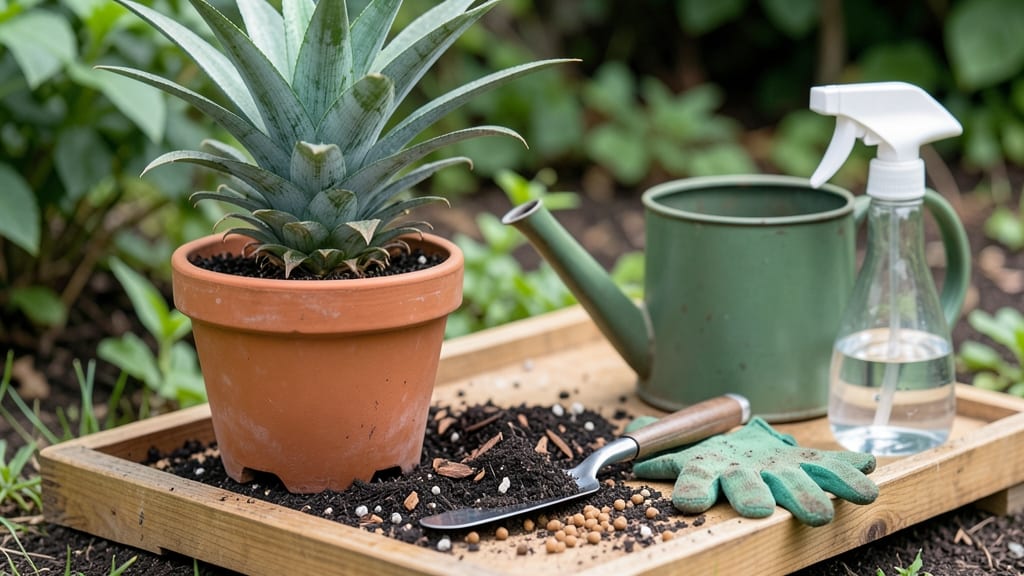
Your pineapple plant’s roots are screaming for space—repotting it now could double your fruit size this season. 🌱 I’ve watched my own pineapple go from a struggling houseplant to a heavy-fruiting powerhouse after just one repotting session, and the secret isn’t complicated: timing, soil, and a little patience.
The right move turns a slow-growing oddity into a tropical showstopper.
You’ll need a terracotta pot 2-3 inches larger than its current home, a mix of cactus soil and perlite (50/50), and a sharp knife for any stubborn roots. The key? Never use garden soil—pineapples hate soggy roots, and their shallow systems need aeration.
I’ve seen beginners drown them in peat-heavy mixes, only to watch the leaves yellow by week three. Skip that mistake.
After repotting, hold off on watering for 5-7 days—this lets roots establish without rotting. Within 4-6 weeks, you’ll see new growth at the base, and that’s your sign the plant’s stress-free.
The real payoff? Bigger, sweeter fruit in 12-18 months, thanks to more root space to support the plant’s heavy crown.
Works for both indoor growers and those in warm climates (zones 9-11). If you’re in a cooler area, keep it near a south-facing window or under a grow light. Now, let’s get those roots breathing again—your pineapple’s future fruit depends on it.
📚 In This Guide
- What you need
- Instructions
- Tips and common mistakes
- Wrapping up and next steps
What you need
- ● New pot: 1-2 inches wider in diameter than the current pot (with drainage holes!). Choose a terracotta or plastic pot—both work!
- ● Well-draining potting mix: 2-3 gallons of a lightweight, airy mix (e.g., 50% cactus/succulent soil + 50% perlite/pumice). Avoid heavy garden soil!
- ● Pineapple plant: Your current plant (gently remove it from the old pot—no shaking off soil!).
- ○ Gloves (optional but recommended): To keep your hands clean from gritty soil.
- ● Trowel or small shovel: For scooping soil and loosening roots if needed.
- ● Watering can or spray bottle: For post-repotting hydration (go easy—overwatering is the enemy!).
- ● Rooting hormone: A dab can encourage faster root growth if your pineapple has long, bare stems.
- ● Slow-release fertilizer: A handful mixed into the new soil boosts early growth.
- ● Mulch (e.g., pebbles or bark): Adds a decorative touch and helps retain moisture.
- ● Support stake: If your pineapple is top-heavy, a small stake keeps it upright.
Step-by-Step instructions for repotting pineapple plants
Here's how to refresh your pineapple's home for bigger, sweeter fruit—no fancy tools needed.
🪴 Step 1: Choose the Right Container and Timing
Select a pot that's only 1-2 inches larger in diameter than your current container—pineapples hate too much extra space. I use unglazed terracotta because it breathes and prevents root rot. The new pot must have drainage holes, or you'll smother the roots in soggy soil.
Time this move right: repot in early spring when the plant is just waking up from dormancy. You'll see new growth starting—wait until you spot 2-3 fresh leaves unfurling before disturbing it. Never repot after flowering begins; the plant needs all its energy to fruit, not to recover from transplant shock.
🌱 Step 2: Prepare the New Pot and Soil Mix
Fill the bottom 1 inch of the new pot with a chunky cactus/succulent mix (or regular potting soil amended with 30% perlite or pumice). This ensures rapid drainage—pineapples rot faster than they grow if their roots sit wet. Tap the pot gently to settle the base layer without compacting it.
Add a handful of orchid bark or coconut coir chunks to the mix. These create air pockets that mimic the pineapple's native rocky soil. The goal is a blend that looks like damp sandcastle mix—firm enough to support the plant but loose enough for roots to breathe.
✂️ Step 3: Gently Remove and Inspect the Plant
Water the pineapple 24 hours before repotting—this makes the soil moist but not soggy, so the root ball slides out cleanly. Turn the pot sideways and tap the edges firmly until the plant releases. If it sticks, run a knife around the inside edge to loosen it.
Inspect the roots immediately. Healthy roots are white or pale tan and firm to the touch. If you see black, mushy roots, trim those away with sterilized scissors—this prevents rot from spreading. Brush away any old soil clinging to the roots; you want to see the root structure clearly.
🌿 Step 4: Repot and Settle the Plant
Place the pineapple in the center of the new pot and fill around the sides with your prepared mix. Press gently but don't pack it down—you're aiming for 50% air space in the soil. Fill until the plant sits at the same depth as it did in the old pot; burying the base too deep suffocates the roots.
Water lightly until moisture seeps from the drainage holes, then let it drain completely. Place the repotted pineapple in a bright, indirect light spot (like an east-facing window) for 2 weeksbright green, stiff leaves as your signal it's thriving.
☀️ Step 5: Adjust Care for Recovery and Growth
Hold off on fertilizing for 4-6 weeks—the plant needs time to establish new roots before handling extra nutrients. After that, use a diluted balanced fertilizer (5-5-5) every 6-8 weeks during growing season. Pineapples are heavy feeders, but too much too soon burns their delicate roots.
Increase sunlight gradually over 7-10 days to avoid leaf scorch. You'll see the plant perk up when it's ready: leaves will stand upright instead of drooping, and new growth will appear at the center. This is your cue to move it to its permanent full-sun spot (6+ hours direct light daily).
Tips & tricks for repotting pineapple plants
A few strategic tweaks can make all the difference between a struggling pineapple and one that thrives. Here's what I've learned from years of growing these tropical plants.
Container Size Matters: That 1-2 inch rule for pot size isn't arbitrary—pineapples grow best when slightly root-bound. Too much space encourages leggy growth and weak fruiting. I've seen plants in oversized pots take years to fruit, while those in snug containers produce fruit within 18-24 months. If you're unsure about sizing, measure your current pot's diameter and choose one just slightly larger.
Root Inspection is Critical: When you spot those black, mushy roots in Step 3, don't hesitate to trim them aggressively with sterilized scissors. Healthy roots should snap cleanly when bent, while rotten ones will squish like overcooked pasta. This step prevents what I call "the silent killer"—root rot that spreads undetected. After trimming, I like to dip the roots in a fungicide solution for 5 minutes as an extra precaution against infection.
Soil Texture is Everything: That "damp sandcastle mix" description isn't just poetic—it's the perfect texture for pineapple roots. If your mix feels too dense after Step 2, add another handful of perlite or pumice until it crumbles easily when squeezed. I've found that adding a thin layer of coarse sand (about 1/4 inch) at the bottom of the pot before the cactus mix creates even better drainage. This prevents the classic "soggy bottom" that leads to root rot.
Light Transition Strategy: The 2-week bright indirect light period in Step 4 is your plant's adjustment phase. I've seen many growers rush this step by moving plants to full sun too soon, which causes leaf scorch that looks like sunburn. To test readiness, gently tap a leaf—if it springs back immediately, it's ready. If it stays bent, wait another few days. Gradual exposure prevents shock and helps the plant acclimate to its permanent full-sun environment.
Pro Tips for Repotting Pineapple Plant
- A few strategic tweaks can make all the difference between a struggling pineapple and one that thrives.
- Container Size Matters: That 1-2 inch rule for pot size isn't arbitrary—pineapples grow best when slightly root-bound.
- Root Inspection is Critical: When you spot those black, mushy roots in Step 3, don't hesitate to trim them aggressively with sterilized scissors.
Frequently asked questions
Got questions about repotting your pineapple plant? You’re not alone! Here are some of the most common concerns—and their straightforward answers—to help you grow a thriving, fruit-bearing tropical beauty.
When is the best time to repot a pineapple plant?
Repot your pineapple plant in early spring when it’s actively growing. Avoid repotting during dormancy (winter) or extreme heat, as the plant needs energy to recover. If your plant is root-bound but healthy, you can also repot after flowering or fruiting, but prioritize timing around new growth for the best results.
How often should I repot my pineapple plant?
Pineapples typically need repotting every 2–3 years, or when roots start circling the pot or growing out of drainage holes. If you’re growing it in a container long-term, opt for a slightly larger pot (1–2 inches wider) each time. Over-potting can lead to soggy soil, so err on the side of smaller increments.
What if my pineapple plant looks unhealthy after repotting?
Yellowing leaves, wilting, or slow growth after repotting can signal root stress or overwatering. Let the soil dry out completely between waterings and place the plant in bright, indirect light. If roots appear mushy or black, trim the damaged ones and repot with fresh, well-draining soil. Most plants bounce back in 2–4 weeks with proper care!
Can I use regular potting soil for repotting?
No—pineapples thrive in well-draining, slightly acidic soil (pH 4.5–6.5). Mix 50% cactus/succulent mix with 50% perlite or orchid bark to prevent root rot. Avoid heavy garden soil, which retains too much moisture. Pro tip: Add a handful of sand or coconut coir for extra aeration!
What’s the best pot size for a pineapple plant?
| Plant Age/Stage | Recommended Pot Size (Diameter) |
|---|---|
| Seedling/Young Plant | 4–6 inches |
| Mature (Non-Flowering) | 8–12 inches |
| Flowering/Fruiting | 12–16 inches (extra stability!) |
Wrapping up and next steps
Repotting your pineapple plant isn’t just about giving it more space—it’s your secret weapon for bigger, sweeter fruits and a thriving tropical companion! 🌱 By choosing the right pot, soil, and timing, you’ll create the perfect conditions for growth.
Now that you’re armed with the know-how, there’s no time like the present to roll up your sleeves and give your pineapple plant the upgrade it deserves.
Ready to take the next step? Pick a sunny day, gather your supplies, and start repotting—your future harvest will thank you! 🍍✨