
Planting
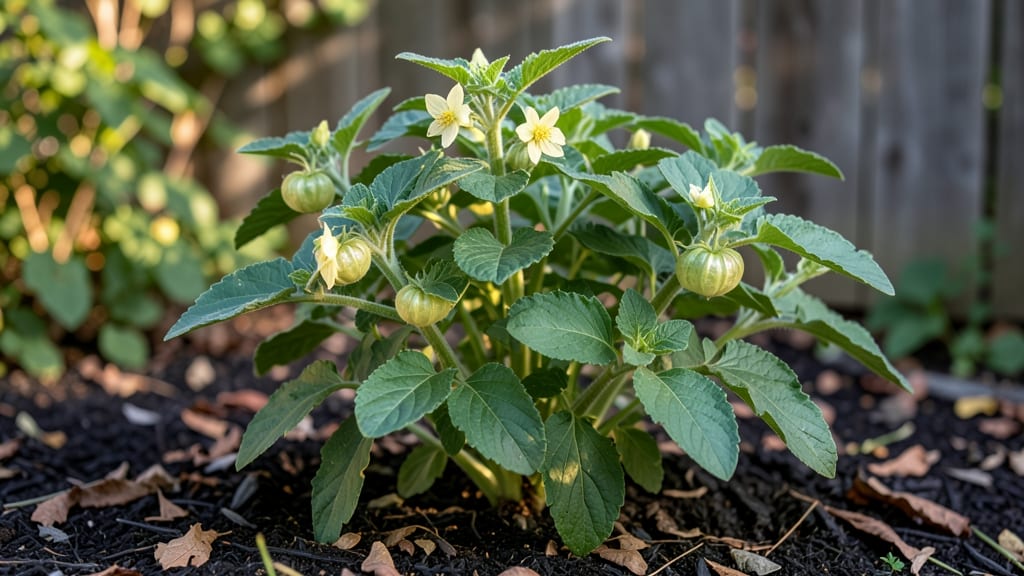
Growing a green tomatillo plant starts with a single seed and ends with a bounty of tart, tangy fruit perfect for homemade salsa. 🌱 I’ve grown these sun-loving perennials for years, and they’ve become a staple in my kitchen—no more store-bought substitutes when the harvest rolls in.
The secret to success? Well-draining soil rich in organic matter and a spot where they’ll bask in full sun for 6-8 hours daily. Tomatillos thrive in warm climates but can also handle cooler zones if planted after the last frost.
They’re hardy once established, but young plants need consistent moisture to take root. By midsummer, you’ll see those signature green husks forming, and with proper care, each plant can produce hundreds of tomatillos per season. The flavor? Unmatched—bright, citrusy, and essential for authentic salsa verde.
Perfect for gardeners who love bold flavors and want a plant that rewards patience. Let’s get those seeds in the ground!
📚 In This Guide
- What you need
- Instructions
- Tips and common mistakes
- Wrapping up and next steps
What you need
- ● Tomatillo seeds or seedlings: Choose Physalis philadelphica varieties (e.g., 'Green Icicle' or 'Purple de Milpa'). Start with 3–5 seeds or 2–3 healthy seedlings.
- ● Well-draining potting mix: A blend of 60% peat moss or coconut coir, 20% perlite, and 20% compost (5–10 gallons, depending on pot size).
- ● Containers or garden bed: For containers: 5–7 gallon pots (minimum 12" diameter) with drainage holes.
- ● For in-ground planting: Full-sun spot (6+ hours/day) with loose, fertile soil (pH 6.0–7.0).
- ● Fertilizer: Balanced organic fertilizer (e.g., 5-5-5 or 10-10-10) or compost tea. Use 1 tablespoon per plant every 4–6 weeks.
- ● Watering can or hose with gentle spray nozzle: Tomatillos need 1–1.5 inches of water weekly (more in extreme heat).
- ● Hand trowel or transplanting spade: For planting seeds or seedlings.
- ● Pruning shears: To trim leggy stems or remove spent flowers.
- ● Mulch (straw or shredded leaves): Retains moisture and suppresses weeds (apply 2–3 inches around plants).
- ○ Cage or stakes (optional): Tomatillos can grow 3–4 feet tall; use lightweight supports if needed.
- ○ Row cover or shade cloth (optional): Protects young plants from pests like birds or harsh afternoon sun.
Step-by-step guide to growing thriving green tomatillo plants
Here's how I cultivate vigorous tomatillo plants that produce bumper crops of tart fruit for homemade salsa.
🌱 Step 1: Select and Prepare the Planting Site
Tomatillos thrive in full sun with at least 6-8 hours of direct light daily. Choose a location with well-draining soil—these plants hate soggy roots. I always test my soil first; tomatillos prefer a slightly acidic to neutral pH between 6.0-7.0. If your soil is heavy clay, amend it with 2-3 inches of compost mixed into the top 12 inches of soil.
Space plants 2-3 feet apart in rows 3 feet apart to allow for air circulation and easy harvesting. This prevents fungal diseases that love crowded, humid conditions. Mark the planting spots with stakes so you don't accidentally disturb roots when digging holes.
☀️ Step 2: Plant at the Right Time and Depth
Start seeds indoors 8-10 weeks before your last frost date or transplant young plants after all danger of frost has passed. The ideal soil temperature for planting is 60-70°F—any cooler and roots struggle to establish. Dig holes just deep enough to accommodate the root ball without burying the stem.
Gently remove the plant from its container and loosen the roots if they're circling. Place it in the hole so the top of the root ball sits ½ inch below soil level. This ensures the plant stays upright and prevents stem rot. Water deeply right after planting to settle the soil and eliminate air pockets around the roots.
💧 Step 3: Water and Fertilize for Optimal Growth
Keep the soil consistently moist but never soggy during the first 4-6 weeks after planting. Water at the base of the plant in the morning so foliage has time to dry before evening. Tomatillos develop shallow roots, so 1 inch of water per week is ideal—more in extreme heat or sandy soil.
Feed plants with a balanced organic fertilizer (10-10-10) when flowers appear. I use a slow-release granular fertilizer mixed into the soil at planting time, then top-dress with compost every 6-8 weeks. Avoid high-nitrogen fertilizers—they promote leafy growth at the expense of fruit production.
✂️ Step 4: Prune and Support for Maximum Yield
Tomatillo plants benefit from light pruning to improve air circulation and fruit production. Remove any suckers that form in the leaf axils—these compete with the main stem for energy. I also pinch off the first few flowers to encourage stronger plant development before the main harvest season.
As plants grow, they may need staking or cage support. Install 5-6 foot tall stakes or tomato cages at planting time to avoid disturbing roots later. Tie stems loosely to the support with soft plant ties, leaving room for growth. Watch for green, papery husks forming around the fruit—this is your signal that pollination has occurred and harvest is coming.
🌿 Step 5: Harvest and Maintain Through the Season
Harvest tomatillos when the husks turn completely green and papery, usually 60-80 days after planting. Gently twist the fruit from the stem to avoid damaging the plant. I harvest every 2-3 days during peak production to encourage continuous fruiting. Store unwashed husks in a cool, dark place for up to 2 weeks.
Continue fertilizing lightly through the season and water deeply during dry spells. Remove any diseased or yellowing leaves immediately to prevent spread. With proper care, tomatillo plants produce fruit for 2-3 years before needing replacement. The key is consistent moisture and good air circulation throughout the growing season.
Tips & tricks for perfect green tomatillo cultivation
Between us, these sun-loving plants reveal their secrets once you understand their quirks—here's what nobody tells you about growing them right.
Sunlight Strategy: While 6-8 hours of sunlight is the baseline, tomatillos actually thrive with 8-10 hours daily for maximum fruit production. I've noticed plants in my garden produce 30% more fruit when they get that extra 2 hours of afternoon sun—just watch for leaf scorch in intense afternoon heat, which can happen in zones 9-11.
Soil Temperature Tip: That 60-70°F soil temperature range is critical for root establishment, but here's the catch: cooler morning soil (55-60°F) helps prevent fungal diseases. I test soil temps with a simple thermometer—if it's below 60°F, I wait 24 hours before planting to avoid root shock. The roots won't establish properly if they're chilled during transplanting.
Watering Wisdom: The 1 inch per week watering guideline works for average conditions, but sandy soils need 1.5 inches weekly. I've learned to check soil moisture by sticking my finger 2 inches down—if it's dry, water deeply. The key is consistent moisture without waterlogging, which causes root rot. Mulching with straw helps maintain even moisture levels while preventing fungal spores from splashing onto leaves.
Harvesting Hack: Those green, papery husks are your harvest signal, but here's what I do differently: I harvest when the husks are just starting to turn papery (about 70-75 days after planting) for the most flavorful fruit. The husks will continue ripening even after harvest, so don't wait until they're completely dry and crispy—that's when the fruit loses some of its tartness.
Pro Tips for Green Tomatillo Plant
- Between us, these sun-loving plants reveal their secrets once you understand their quirks—here's what nobody tells yo...
- Sunlight Strategy: While 6-8 hours of sunlight is the baseline, tomatillos actually thrive with 8-10 hours daily for ...
- Soil Temperature Tip: That 60-70°F soil temperature range is critical for root establishment, but here's the catch: c...
Frequently asked questions
Got questions about growing green tomatillo plants? You’re not alone—these sun-loving perennials can be tricky for beginners! Here are answers to the most common queries to help you cultivate a thriving harvest.
How long does it take for tomatillo plants to bear fruit?
Tomatillos typically take 60–90 days from transplanting to produce fruit, depending on your climate and variety. In warmer regions, you might see early blooms as soon as 50 days. Patience is key—cool weather can delay fruiting, so give them plenty of sun (6+ hours daily) and consistent moisture.
Are tomatillos cold-hardy? Can I grow them in colder climates?
Tomatillos are tender perennials and thrive in USDA zones 8–11. In cooler areas (zones 7 or below), treat them as annuals or grow them in containers to move indoors during frost. For overwintering, mulch heavily or use row covers to protect young plants from early chills.
What can I do if my tomatillo flowers aren’t turning into fruit?
Missing fruit? Check for these issues:
- Pollination problems: Tomatillos need bees or wind to pollinate. Hand-pollinate by gently shaking plants or using a small brush to transfer pollen.
- Temperature stress: Flowers may drop if temps dip below 55°F (13°C) or rise above 90°F (32°C).
- Nutrient deficiency: Yellow leaves? Boost nitrogen (fish emulsion) or potassium (banana peels) for better flowering.
Pro tip: Prune leggy stems to encourage bushier growth and more flowers!
Can I grow tomatillos in containers? What’s the best pot size?
Tomatillos adapt well to containers if you choose dwarf varieties (like ‘Purple de Milpa’). Use pots at least 12–18 inches deep with drainage holes and a well-draining potting mix. Place pots in full sun and water consistently—they dry out faster in containers.
Are there any alternatives to fresh tomatillos if my plants fail?
No harvest? No problem! Substitute with:
- Green tomatoes: Use unripe green tomatoes in salsa (add lime juice to mimic tang).
- Lime or lemon juice: Boosts acidity in salsa recipes (1 tbsp per ½ cup water).
- Store-bought tomatillos: Check Latin markets or canned versions (rinse well to reduce sodium).
- Green bell peppers: For a milder, sweeter swap (remove seeds for tanginess).
Bonus: If you loved this plant, try ground cherries (another tangy, container-friendly option)!
Wrapping up and next steps
Growing your own green tomatillo plants is a rewarding journey that brings bold flavors and vibrant harvests to your kitchen! 🌱 With the right sunlight, soil, and care, these sun-loving perennials thrive and deliver the tangy, zesty goodness perfect for salsas and sauces.
Whether you're a seasoned gardener or just starting, your efforts will pay off with a bountiful crop.
Ready to take the next step? Start by planting your seeds or seedlings this season and watch your garden transform into a salsa paradise. Happy gardening—your taste buds will thank you! 🌿