
Planting
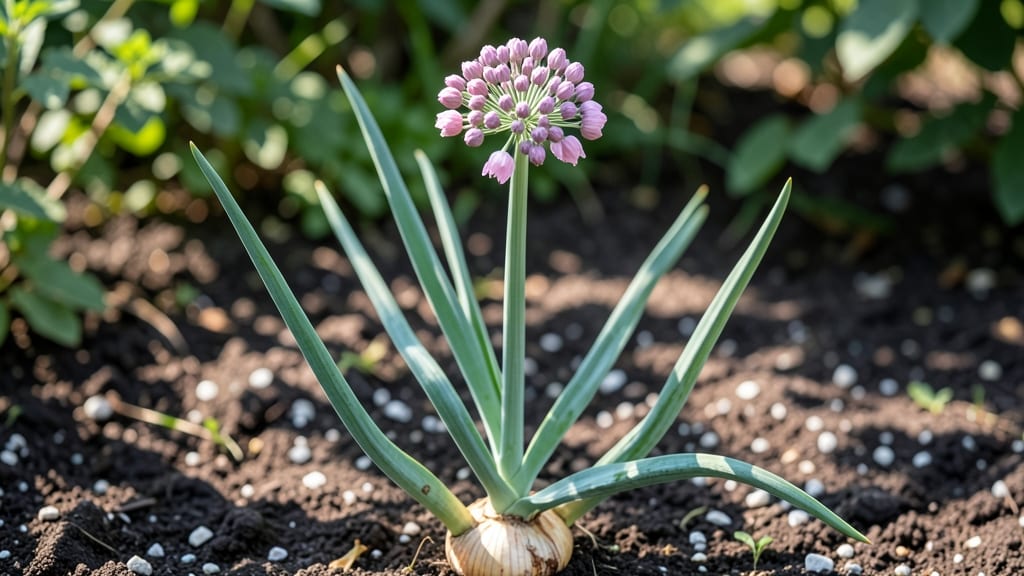
When red onion plants flower, it’s not just a pretty sight—it’s a sign your harvest might be sweeter and more abundant. 🌱 I’ve learned that those delicate purple blooms aren’t just decorative; they’re nature’s way of telling you the bulbs are maturing.
The key is understanding how to work with (not against) this process to get the biggest, most flavorful onions.
Flowering usually happens when days get longer and temperatures warm up, typically 6-8 weeks after planting. If your onions bolt too early, it’s often from heat stress or overcrowding.
But here’s the secret: those flowers actually help direct energy into bulb development—so don’t rush to snip them unless they’re crowding your plants. Let them bloom, then harvest bulbs when tops start yellowing.
You’ll end up with onions that are larger, milder, and more flavorful than store-bought. The blooms themselves are edible too—add them to salads or garnishes for a mild onion flavor. Just be patient: rushing the harvest can mean smaller bulbs, while waiting for full maturity means bigger rewards.
Works for both garden beds and containers, and the same principles apply whether you’re growing from seed or transplants. Here’s how to time it right for your climate and get the most from your onions.
📚 In This Guide
- What you need
- Instructions
- Tips and common mistakes
- Wrapping up and next steps
What you need
- ● Red onion bulbs or seeds: Choose Allium cepa varieties like 'Red Creole,' 'Red Baron,' or 'Red Wing' (ensure they’re labeled as short-day types for flowering).
- ● Quantity: 5–10 bulbs/seeds for a small garden patch (or 1 bulb per 12-inch pot for container growing).
- ● Well-draining soil: Mix 60% potting soil (organic, peat-free preferred) with 30% perlite or coarse sand and 10% compost.
- ○ Optional: Add 1 tbsp lime per gallon of soil to raise pH (ideal: 6.0–7.0).
- ● Containers or garden bed: For direct planting: Full-sun spot (6+ hours/day) with loose, fertile soil.
- ● For containers: Pots 12+ inches deep with drainage holes (terracotta or fabric pots work best).
- ● Fertilizer: Balanced organic fertilizer (e.g., 5-5-5 or 10-10-10) or compost tea.
- ● Application: Mix 1 tbsp per square foot into soil before planting or use as a liquid feed every 4–6 weeks.
- ● Hand trowel or small shovel (for transplanting bulbs/seeds).
- ● Garden gloves (to protect hands from sharp onion edges).
- ● Watering can with a fine rose nozzle (for gentle hydration).
- ● Pruning shears (to trim dead flower stems after harvesting seeds).
- ○ Optional but helpful: Plant labels (to track varieties).
- ● Row cover or shade cloth (if your climate has extreme heat/cold).
- ● Pollinator-friendly flowers (e.g., marigolds) planted nearby to attract bees for seed production.
How to encourage and care for red onion flowers
Let’s turn those pretty blooms into a harvest booster—here’s how to nurture them properly.
🌱 Step 1: Identify and Preserve Healthy Onion Flowers
Red onion flowers (also called tops) appear when the plant senses it’s time to reproduce, which can actually improve bulb size if managed right. Look for sturdy stems with round, globe-shaped flower clusters—these are your edible blooms. The key is to let them form naturally without cutting too early. If you see weak, spindly stems, the plant may be stressed from drought or poor soil.
Here’s the thing—don’t rush to harvest the flowers yet. Wait until they’ve fully opened but haven’t yet released pollen (usually 5-7 days after blooming). At this stage, they’re most flavorful and packed with nutrients. If you’re growing for both blooms and bulbs, leave 2-3 plants per bunch to flower while harvesting others for the kitchen.
☀️ Step 2: Support Flowers with Light and Water
Onion flowers need full sun (6+ hours daily) to develop properly, so move pots or beds to the sunniest spot in your garden. If your plants are leggy or flowers droop, they’re not getting enough light. A south-facing window or grow light works for container-grown onions.
Water consistently—1 inch per week—but avoid soggy soil. Overwatering causes rot, which can kill the plant before it flowers. Check soil moisture by sticking your finger 1 inch deep; if it’s dry, water deeply at the base. Mulch around the stems with 2 inches of straw to retain moisture and protect blooms from pests.
✂️ Step 3: Harvest Flowers at Peak Freshness
Cut stems 2-3 inches below the flower cluster with clean shears when blooms are fully open but before petals fall. Harvest in the morning for the best flavor and texture—this is when moisture levels are highest. Store harvested flowers in a paper towel-lined container in the fridge for up to 5 days or dry them upside-down in a dark, airy space for 1-2 weeks.
Real talk: If you’re growing onions for bulbs and flowers, prioritize the flowers first. Once you harvest the blooms, the plant’s energy shifts back to bulb development, often resulting in larger, sweeter onions. Just don’t let the flowers go to seed—this signals the plant to stop producing bulbs.
🌿 Step 4: Use Flowers to Boost Your Harvest
Here’s where it gets fun—onion flowers aren’t just pretty; they’re packed with nutrients and can even improve your next onion crop. Save seeds from mature flowers (let a few go to seed) and dry them completely before storing in a cool, dark place. Plant these seeds the following spring for a second generation of onions with inherited traits from your best performers.
You can also compost spent flowers or use them in fertilizer teas for nitrogen-rich soil. If you’re short on space, dry and crush the flowers into a powder to sprinkle around other plants—it’s a natural way to deter pests and add organic matter back to the soil.
⏰ Step 5: Monitor for Pests and Diseases
Onion flowers attract aphids and thrips, so keep an eye out for tiny clusters of bugs on the blooms. Spray with neem oil (mix 1 tbsp per quart of water) if you spot them early—this organic solution won’t harm the flowers or your harvest. Avoid chemical sprays, as they can linger on edible blooms.
If flowers develop black spots or mold, it’s a sign of fungal issues from overwatering or humidity. Remove affected blooms immediately and thin out crowded stems to improve airflow. A light dusting of sulfur powder (follow package rates) can prevent further spread if caught early.
Tips & tricks for perfect red onion plant flowers
These little-known tricks will help you maximize flavor, yield, and garden productivity from your onion blooms.
Timing is Everything: The 5-7 days after blooming is the absolute sweet spot for harvesting. That's when the flowers contain the highest concentration of nutrients and flavor compounds. I learned this the hard way—harvesting too early gives you bland, watery blooms, while waiting too long means they'll start releasing pollen and lose their delicate texture. Mark your calendar or set a phone reminder when you see those first buds appear.
Harvest Strategy: When you're ready to harvest those 2-3 inches below the flower cluster, use a sharp pair of shears or pruning scissors instead of your kitchen knife. This prevents crushing the stems and keeps the plant healthy for continued bulb production. Pro tip: Harvest in the morning when dew is still present—this keeps the blooms crisp and vibrant for longer. Store them immediately in a paper towel-lined container to absorb excess moisture.
Light Optimization: Those 6+ hours of full sun are non-negotiable for robust onion flowers. If your garden gets partial shade, consider using reflective surfaces like white plastic trays or even aluminum foil wrapped around the base of your plants to bounce extra light onto the blooms. For container growers, a south-facing window with supplemental grow lights during winter months can make all the difference between mediocre and spectacular flowers.
Pest Prevention: The 1 tablespoon of neem oil per quart of water mixture is your secret weapon against aphids and thrips. But here's what nobody tells you—mix it up fresh each time you use it. Neem oil loses effectiveness after about 24 hours, so don't make a big batch to store. Also, spray in the early morning when temperatures are cooler—this reduces the risk of burning the delicate petals. The key is consistency: treat your plants every 5-7 days during the flowering season.
Pro Tips for Red Onion Plant Flower
- These little-known tricks will help you maximize flavor, yield, and garden productivity from your onion blooms.
- Timing is Everything: The 5-7 days after blooming is the absolute sweet spot for harvesting.
- Harvest Strategy: When you're ready to harvest those 2-3 inches below the flower cluster, use a sharp pair of shears or pruning scissors instead of your kitchen knife.
Frequently asked questions
Got questions about red onion plant flowers? You’re not alone!
Here are some of the most common queries—plus quick, actionable answers to help you make the most of those pretty (and edible!) blooms.
Can I eat red onion flowers?
Red onion flowers—also called topsets—are edible and packed with a mild, slightly sweet onion flavor. Use them fresh in salads, garnishes, or even as a decorative (and tasty!) pizza topping. Just avoid pesticides if growing outdoors.
When do red onion flowers appear?
Onion flowers typically bloom in late spring to early summer, about 60–90 days after planting, depending on your climate. If your onions bolt (send up flowers early), it’s often due to heat stress, overcrowding, or inconsistent watering.
Should I remove onion flowers for a better harvest?
It depends! If you want bigger bulbs, snip off flower stalks early to redirect energy to root growth. But if you’re growing for topsets (flowering onions) or seeds, leave them be. Pro tip: Harvest topsets when they’re small and tender for the best flavor.
Are red onion flowers good for pollinators?
Yes! Onion flowers attract bees, butterflies, and other pollinators, making them a great addition to pollinator gardens. Their spherical clusters provide easy access to nectar. Just avoid spraying chemicals near flowering plants.
What can I do if my red onions bolt too early?
Early bolting often happens in hot weather. To prevent it:
- Plant in cool seasons (spring or fall).
- Use shade cloth in peak summer.
- Water consistently to avoid stress.
- Choose bolting-resistant varieties like ‘Red Creole’ or ‘Tropea.’
Can I grow red onion flowers indoors?
Yes, but with limits! Start with small pots (6+ inches deep) and place them in a sunny windowsill or under grow lights. They’ll still flower, but bulbs may be smaller. Ideal for microgreens or topsets—just ensure good airflow to prevent mold.
Wrapping up and next steps
Watching your red onion plant flower isn’t just a sign of maturity—it’s a natural boost for your harvest! These delicate blooms signal that your onions are ready to thrive, whether you’re growing them for flavorful bulbs or edible flowers. 🌸
Ready to put this knowledge to work? Start by planting a few red onion seeds or sets this season—and don’t forget to save those seeds from your flowers for next year’s garden. Happy growing!