
Planting
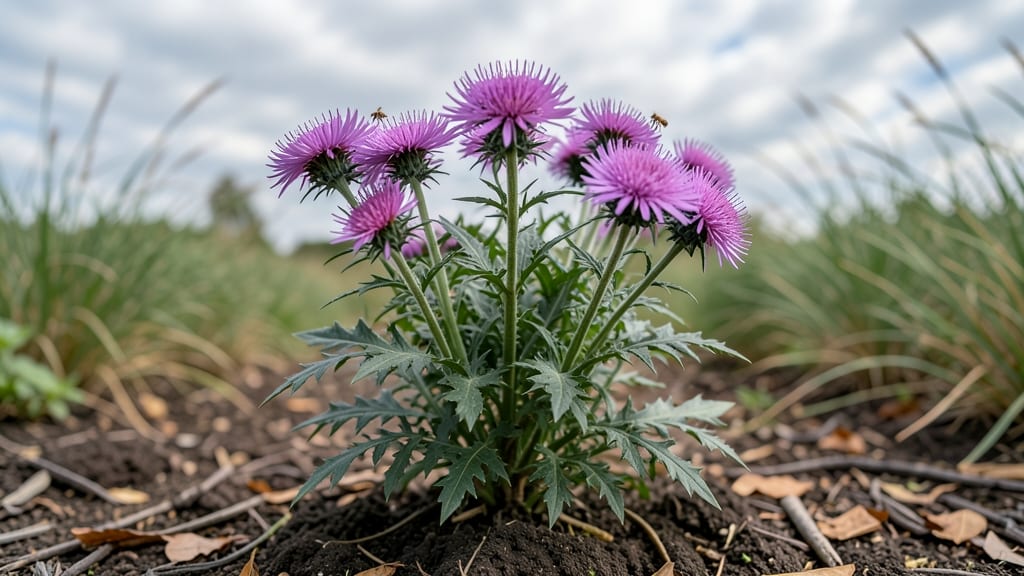
Growing purple tansy (Tanacetum vulgare 'Purpureum') turns your garden into a buzzing pollinator paradise—even when other plants are wilting. 🌿 Its silvery-purple foliage and golden-yellow daisy-like blooms thrive in poor soil and drought, making it the ultimate low-maintenance star.
I planted mine in a sunny corner last spring, and by summer, bees, butterflies, and beneficial wasps were visiting nonstop. This hardy perennial handles full sun to partial shade and tolerates almost any soil—sandy, rocky, or clay—so long as it drains well.
Water lightly after planting, then let nature take over; purple tansy stores moisture like a champ. For extra vigor, trim back spent blooms in early fall, and watch it bounce back stronger next season.
What you’ll end up with is a year-round pollinator magnet that blooms from early summer through frost, even in tough conditions. The foliage stays striking even without flowers, and its strong scent deters pests like squash bugs and Japanese beetles naturally.
Works in borders, containers, or wildflower meadows—just give it space to spread. Here’s how to keep it thriving without the fuss.
📚 In This Guide
- What you need
- Instructions
- Tips and common mistakes
- Wrapping up and next steps
What you need
- ● Purple tansy seeds: 1 packet (contains ~500 seeds) or 1-2 plants (if buying nursery-grown). Pro tip: 💡 Opt for organic, non-GMO seeds for best results!
- ● Well-draining potting mix: 1 bag (10-15 lbs) of high-quality, organic soil blend. Look for: 🌡️ 60-70% peat or coco coir, 20-30% perlite/sand, and 10% compost.
- ● Containers or garden bed: For seeds: 2-3 small pots (4-6 inches deep) or seed trays with drainage holes.
- ● For transplanting: A sunny garden spot (full sun, 6+ hours/day) or larger pots (12+ inches deep) if container-growing.
- ● Drainage layer: Small pebbles, perlite, or broken pottery shards (1 inch thick) for pots.
- ● Hand trowel or small shovel (for planting seeds/transplanting).
- ● Spray bottle or watering can (with a fine mist nozzle for seedlings).
- ○ Gloves (optional but recommended—purple tansy can be slightly prickly!).
- ● Pruning shears (for harvesting or shaping mature plants).
- ● Slow-release fertilizer: 1 tbsp of 10-10-10 or organic compost tea per plant (every 4-6 weeks).
- ● Mulch: Straw or shredded leaves (1-2 inches) to retain moisture and suppress weeds.
- ● Pollinator-friendly companions: Marigolds, lavender, or coneflowers to attract even more bees and butterflies! 🐝
- ● Drought-resistant soil amendment: Hydrogel crystals or coconut coir to boost water retention in dry climates.
How to grow purple tansy for year-round pollinator support
This drought-tough beauty thrives with minimal fuss—here's how to plant it for nonstop blooms.
🌱 Step 1: Pick the Perfect Sunny Spot
Purple tansy (Tanacetum parthenium) craves full sun—at least 6-8 hours daily—to produce its signature lavender puffball blooms. I always check the sunniest corner of my garden first, because even partial shade leads to leggy growth and fewer flowers. Look for areas where other sun-lovers like lavender or Russian sage already thrive.
This plant tolerates poor, rocky soil but grows best in well-draining soil with a pH of 6.0-7.5. If your soil stays soggy after rain, amend with 2-3 inches of compost mixed into the top 6 inches of soil. The key is preventing waterlogged roots—purple tansy's drought resistance kicks in once established, but it won't survive consistently wet feet.
🪴 Step 2: Plant at the Right Time and Depth
Spring is ideal, but you can plant purple tansy in fall too—just 6-8 weeks before your first frost. Dig a hole twice as wide as the root ball but only as deep as the container it came in. Gently loosen the roots if they're circling, then place the plant so the top of the root ball sits level with the surrounding soil—burying too deep suffocates the plant, while planting too high leaves roots exposed.
Space plants 18-24 inches apart to give them room to spread. I like to plant in groups of 3-5 for a bold pollinator display. Water deeply right after planting to settle the soil and remove any air pockets around the roots. You'll know it's done when the soil surface looks slightly firm but not compacted.
☀️ Step 3: Water Smartly for Drought Resistance
Purple tansy's drought tolerance is legendary, but new plants need consistent moisture for the first 4-6 weeks to establish roots. Water deeply once a week, soaking the soil to a depth of 6 inches. Check moisture by sticking your finger 1 inch down—if it feels dry, water again. Overwatering is the real enemy here; soggy soil leads to root rot, which this plant despises.
Once established, reduce watering to every 2-3 weeks unless your area experiences extreme heat or prolonged drought. You'll see the plant's resilience when it keeps blooming even during dry spells. Mulch with 2-3 inches of organic mulch (like shredded bark) to retain moisture and suppress weeds—just keep the mulch 2 inches away from the stem to prevent rot.
✂️ Step 4: Prune for Continuous Blooms
The secret to year-round blooms is light pruning. After the first flush of flowers fades, cut back stems by one-third using clean, sharp pruners. This encourages a second round of blooms and keeps the plant bushy. I always prune in the early morning when the plant is hydrated—this reduces stress and helps it recover faster.
In late fall, give your purple tansy a harder prune: cut back half the plant to 4-6 inches above the ground. This prevents flopping and prepares it for winter. The plant will regrow in spring, often with even more vigor than before. Deadhead spent blooms throughout the season to redirect energy into new flowers instead of seed production.
🐝 Step 5: Attract Pollinators Year-Round
Purple tansy's flat-topped blooms are bee and butterfly magnets, especially when paired with other nectar-rich plants like coneflowers or black-eyed Susans. I plant mine near a water source (like a small birdbath) to create a full pollinator oasis. The plant's long bloom season—from early summer through fall, and sometimes into winter in mild climates—keeps pollinators fed when other flowers fade.
To extend the season even further, plant in a sheltered spot where cold winds don't damage blooms. In colder zones, a light layer of mulch (like straw) over the roots in winter prevents heaving and protects the plant. You'll notice bees and butterflies visiting daily once the flowers open—proof that you've created a pollinator paradise.
Tips & tricks for perfect purple tansy planting
Here's what nobody tells you about growing this pollinator powerhouse—these tricks will ensure your purple tansy thrives year after year.
Sunlight Strategy: That 6-8 hours of full sun requirement isn't negotiable, but here's the secret: if you're in a hot climate where afternoon sun hits like a furnace, position your plants where they get morning sun and afternoon shade. I've seen purple tansy in my desert garden survive with just 5 hours of direct sun when protected from the midday heat—though the blooms will be slightly smaller. The key is avoiding the intense afternoon rays that can scorch delicate foliage while still getting plenty of morning light.
Soil Test Tip: Purple tansy tolerates poor soil, but for maximum blooms, aim for that 6.0-7.5 pH range. If you're unsure about your soil's pH, grab a cheap test kit from your garden center—it's worth it. I once planted mine in soil that tested at 5.5, and while the plant survived, it put all its energy into leaves rather than flowers. A simple application of garden lime (if your soil is too acidic) or elemental sulfur (if too alkaline) can make all the difference without breaking the bank.
Planting Depth Hack: When planting, use a small stick or marker to note where the top of the root ball sits relative to the surrounding soil. This simple trick prevents the common mistake of planting too deep or too shallow. I've seen gardeners bury these plants too deep, which suffocates the stem and leads to rot. The top of the root ball should always be level with the surrounding soil—never below it.
Pruning Precision: When you're doing that one-third prune after the first flush of flowers, cut just above a set of leaves where the stem meets the plant. This encourages new growth from that point rather than leaving a stub that can rot. For the late fall hard prune, cut back to 4-6 inches—this might seem drastic, but trust me, your plant will thank you in spring with even more vigorous growth. Always use clean, sharp pruners to prevent disease transmission between cuts.
Pro Tips for Purple Tansy Plant
- Here's what nobody tells you about growing this pollinator powerhouse—these tricks will ensure your purple tansy thrives year after year.
- I've seen purple tansy in my desert garden survive with just 5 hours of direct sun when protected from the midday heat—though the blooms will be slightly smaller.
- Soil Test Tip: Purple tansy tolerates poor soil, but for maximum blooms, aim for that 6.0-7.5 pH range.
Frequently asked questions
Got questions about growing and maintaining purple tansy plants? You’re not alone! Here are some of the most common concerns—plus straightforward answers to help you nurture this pollinator powerhouse with confidence.
When is the best time to plant purple tansy?
Purple tansy thrives when planted in early spring (after the last frost) or early fall (6–8 weeks before your first frost). This gives roots time to establish before extreme heat or cold sets in. If you’re in a mild climate, fall planting can yield blooms the following year!
How often should I water purple tansy?
Once established, purple tansy is drought-tolerant—water deeply once a week during the first growing season. After that, only water during prolonged dry spells (think 2+ weeks without rain). Overwatering can lead to root rot, so let the soil dry out between waterings.
Why aren’t bees visiting my purple tansy?
If bees seem scarce, check these fixes:
- Timing: Purple tansy blooms mid-to-late summer—bees may be distracted by earlier spring flowers.
- Location: Plant near other nectar-rich blooms (like coneflowers or lavender) to create a "pollinator buffet."
- Pesticides: Avoid chemicals; even residual sprays can deter pollinators.
Patience helps—once established, it’s a bee magnet!
Can I grow purple tansy in containers?
Choose a large pot (12+ inches deep) with drainage holes and well-draining soil. Place in full sun and fertilize lightly in spring. Just be ready to divide the plant every 2–3 years to prevent overcrowding.
Is purple tansy invasive in my area?
Purple tansy (Tanacetum coccineum) is not considered invasive in most U.S. regions, unlike its cousin, Tanacetum vulgare (common tansy). However, it can self-seed. To control spread, deadhead spent blooms or trim back foliage in early spring.
Pro Tip:
Need a low-maintenance alternative? Try Lavandula (lavender) or Echinacea (coneflower)—both attract pollinators and thrive in similar conditions!
Wrapping up and next steps
The purple tansy plant is a standout addition to any garden, offering year-round pollinator support, stunning blooms, and remarkable drought resistance. Whether you're a seasoned gardener or just starting, its low-maintenance beauty makes it a perfect choice for vibrant, eco-friendly landscapes.
Ready to transform your outdoor space? Start small—plant a few purple tansy in a sunny spot and watch your garden thrive! 🌸🐝