
Planting
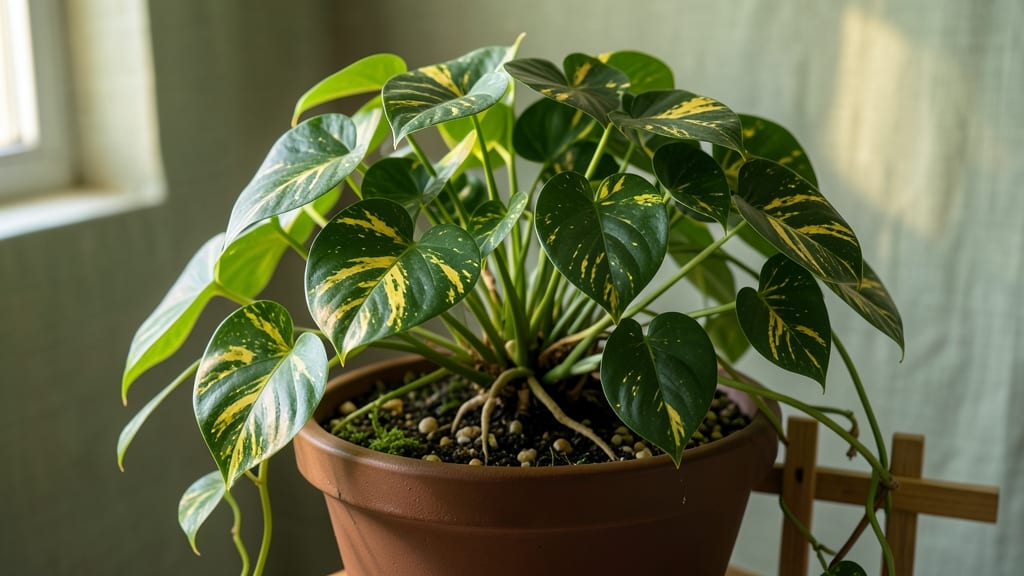
Your money plant can go from leggy to lush in just 3 months—no sacrifice needed. 🌿 The secret to bushy growth lies in strategic pruning, light balance, and a few simple care tweaks that most owners miss.
I’ve turned my own money plant from a sad, sparse stem into a full, vibrant bush by focusing on the right cuts and environmental cues.
Most people over-prune or under-prune, both of which stunt growth. Instead, we’ll target the top two leaves of each stem and pinch just above a leaf node—this triggers new branches without shocking the plant.
Combine that with bright, indirect light (no harsh sun) and a monthly fertilizer boost, and you’ll see dense foliage forming within weeks.
The payoff is a money plant so full it looks like a mini tree, with leaves reaching every direction. You’ll also notice faster growth, stronger stems, and a plant that stays compact without needing frequent repotting. The best part? No expensive tools or complicated steps—just sharp scissors and patience.
Works for both mature plants and young cuttings, and adapts to any indoor space with decent light. Let’s get your money plant thriving without the guesswork.
Root Causes of Bushy Money Plant
A money plant (Pachira aquatica) that grows bushy instead of tall and leggy is usually a sign of thriving health—but sometimes, it’s a red flag.
Understanding the science behind why your plant develops dense foliage (or, conversely, struggles to do so) helps you adjust care before it’s too late. Below, we break down the key factors that influence bushy growth, from environmental triggers to plant biology.
When a money plant’s roots become root-bound—meaning they’ve filled the pot completely—it signals the plant to focus on horizontal growth rather than vertical. This triggers bushier, more compact foliage as the plant stretches outward for space.
- How it happens:
- The plant’s roots circle the pot’s base, restricting water and nutrient uptake.
- Limited root space forces the plant to prioritize leaf production over stem elongation.
- In extreme cases, root-bound stress can lead to yellowing leaves or stunted growth.
- Science behind it:
The plant’s auxin hormones (growth regulators) shift from promoting stem elongation to lateral bud development when roots are confined. This is why repotting often instantly triggers bushier growth.
- Actionable fix:
- Check for roots circling the pot’s drainage holes—if you see a thick mat, it’s time to repot.
- Choose a pot only 1–2 inches larger in diameter to avoid shocking the plant with too much space.
- Use a well-draining mix (e.g., 60% potting soil, 30% perlite, 10% coco coir) to prevent compaction.
Money plants are light-loving but hate harsh, direct sun—yet both extremes can lead to bushy (or sparse) growth. The key is balanced indirect light, which encourages dense foliage.
- How it happens:
- Too little light: The plant stretches (etiolation) to reach light, but weak stems produce small, sparse leaves.
- Too much direct sun: Leaves scorch, and the plant drops lower leaves to protect new growth, creating a "bushy" but unhealthy look.
- Rotating the plant: Uneven light exposure causes lopsided bushiness as one side grows faster.
- Science behind it:
Light triggers photosynthesis and regulates phytochrome hormones, which control stem elongation. Without enough light, the plant overproduces auxin in stems, leading to weak, bushy growth. Too much light? Abscisic acid (a stress hormone) causes leaf drop and stunted new growth.
- Actionable fix:
- Place your money plant near an east- or north-facing window for gentle morning light.
- If indoors, use a grow light (12–14 hours/day) 12–18 inches away to supplement.
- Rotate the pot quarter-turn weekly to ensure even growth.
Watering is the #1 culprit behind unexpected bushiness—or its opposite, leggy stems. Money plants are drought-tolerant but hate soggy soil, which can trick the plant into growing bushy as a survival tactic.
- How it happens:
- Overwatering: Roots suffocate, leading to anaerobic stress. The plant responds by producing smaller, denser leaves to conserve energy.
- Underwatering: The plant drops leaves to reduce water loss, leaving bare stems that may later sprout clusters of new growth when watered again.
- Inconsistent watering: Fluctuating moisture levels confuse the plant, causing stunted, bushy regrowth.
- Science behind it:
Water stress triggers ethylene gas production, a hormone that inhibits stem elongation and promotes lateral branching. Overwatering, meanwhile, reduces oxygen in roots, forcing the plant into a "defensive" growth mode.
- Actionable fix:
- Water only when the top 1–2 inches of soil are dry (stick your finger in—if it’s damp, wait!).
- Use a pot with drainage holes and a cache pot (tray) to catch excess water.
- Mist leaves lightly 2x/week to mimic humidity, but avoid soggy soil.
Money plants naturally grow bushy when pruned correctly—but not pruning at all can also lead to a "bushy" look (just not the healthy kind). The key is strategic trimming to encourage lateral buds.
- How it happens:
- No pruning: The plant grows tall and leggy, with sparse leaves at the bottom. If you never trim, it may develop random bushy clusters at the top.
- Over-pruning: Cutting too aggressively can shock the plant, leading to stunted, bushy regrowth as it recovers.
- Pruning at the wrong time: Trimming in winter (dormant season) can delay bushiness, while spring/summer cuts stimulate new growth.
- Science behind it:
Pruning removes apical dominance (the plant’s natural tendency to grow upward). When you cut the top stem, auxin levels drop in the terminal bud, allowing lateral buds to wake up and grow. However, poor pruning technique can damage the plant’s vascular system, leading to weak, bushy regrowth.
- Actionable fix:
- Prune in spring or early summer when the plant is actively growing.
- Cut just above a leaf node (the bump where leaves grow) at a 45-degree angle to encourage bushiness.
- Avoid cutting more than 1/3 of the plant at once—this can stress it.
Revitalize Your Money Plant’s Growth
A bushy, thriving money plant is a sight to behold, but when it starts looking leggy or sparse, it’s time to take action. The good news? Most issues can be fixed with simple adjustments to care, pruning, and environment.
Below, we’ve mapped out the most common causes of a money plant losing its bushiness and the practical fixes to bring it back to fullness—without sacrificing leaves or health.
Cause: Roots circling the pot or a plant that’s outgrown its space can stunt growth and make the plant look sparse.
How to Fix It: 🔥 Repot with Fresh Soil – Gently remove the plant from its pot and check for roots growing in circles. If so, trim the roots with sterile scissors and repot in a container just 1–2 inches larger with well-draining soil.
🍳 Choose the Right Pot – Opt for a pot with drainage holes and avoid plastic if your plant stays too damp. Terracotta or fabric pots help regulate moisture.
👨🍳 Fertilize Lightly – After repotting, use a balanced liquid fertilizer (diluted to half strength) to encourage new growth. Over-fertilizing can burn roots, so less is more!
⏰ Timing Matters – Repot in spring or early summer when the plant is actively growing.
Cause: Too little or too much light can weaken a money plant, leading to sparse, stretched-out vines.
How to Fix It: 🌡️ Find the Sweet Spot – Money plants thrive in bright, indirect light (east or north-facing windows are ideal). If leaves are pale or leggy, it’s not getting enough light.
🎯 Adjust Gradually – If moving to a brighter spot, do it slowly over a week to avoid sunburn. South-facing windows? Use a sheer curtain to diffuse harsh rays.
✨ Supplement with Grow Lights – If natural light is lacking, a simple LED grow light (12–14 hours/day) can work wonders for encouraging bushiness.
Cause: Overwatering or underwatering can stress the plant, leading to yellow leaves, root rot, or stunted growth.
How to Fix It: 🔥 Check Soil Moisture – Stick your finger 1–2 inches into the soil. Water only when the top layer feels dry. Money plants prefer slightly dry soil over soggy conditions.
🍳 Improve Drainage – Ensure the pot has drainage holes, and use a mix of potting soil with perlite or orchid bark to prevent compaction.
👨🍳 Water at the Base – Avoid wetting the leaves to prevent fungal issues. Water deeply until it drains from the bottom, then empty the saucer to avoid root rot.
⏰ Adjust Seasonally – Water less in winter when growth slows and more in summer when evaporation increases.
Cause: Lack of pruning leads to long, bare stems and a sparse appearance.
How to Fix It: 🔥 Trim Leggy Stems – Use clean, sharp scissors to cut back overgrown vines just above a leaf node (where leaves grow). This encourages branching.
🍳 Propagate Cuttings – Turn pruned stems into new plants! Place cuttings in water or moist soil to root, then transplant once established.
👨🍳 Encourage Bushiness – Pinch back the tips of new growth to promote lateral shoots. Do this in early spring for best results.
⏰ Prune After Flowering – If your money plant blooms (rare but possible), trim spent flowers to redirect energy to foliage.
Cause: Nutrient deficiencies or pests can weaken a plant, making it less bushy.
How to Fix It: 💡 Fertilize Monthly (Spring–Fall) – Use a balanced fertilizer (e.g., 10-10-10) or a mild organic option like fish emulsion. Avoid fertilizing in winter.
🔥 Combat Pests – Check for spider mites, mealybugs, or aphids. Wipe leaves with neem oil or insecticidal soap if needed.
🌡️ Humidity Help – Money plants enjoy moderate humidity (40–50%). Mist leaves occasionally or place the pot on a tray with pebbles and water.
- Rotate the pot every few weeks to ensure even light exposure.
- Avoid cold drafts (like AC vents or windows in winter), which can shock the plant.
- Dust leaves regularly to help them absorb light efficiently.
- Monitor growth – If you notice new growth slowing, reassess light, water, and nutrients.
With these targeted fixes, your money plant will bounce back with lush, bushy growth in no time. Remember, consistency is key—small adjustments over time yield the best results! 🌿✨
Frequently asked questions
How often should I prune my money plant to keep it bushy?
Prune your money plant every 3-4 months during the growing season (spring/summer). Focus on cutting just above a leaf node at a 45-degree angle to encourage branching. Avoid heavy pruning in winter when growth slows.
Can I use money plant cuttings to create a bushier plant?
Take 4-6 inch cuttings with at least 2 leaf nodes, remove lower leaves, and place in water until roots form (about 2-3 weeks). Once rooted, transplant and place in bright indirect light. This creates multiple bushy plants from one!
Why does my money plant grow bushy in some spots but leggy elsewhere?
This usually means uneven light exposure. Rotate your plant quarter-turn weekly to ensure balanced growth. If one side gets more light, it will grow faster and bushier. Also check for drafts or temperature fluctuations that might stress one area.
What's the best fertilizer for encouraging bushy growth?
Use a balanced liquid fertilizer (10-10-10 ratio) diluted to half strength monthly during growing season. For organic options, try fish emulsion or seaweed extract. Avoid high-nitrogen fertilizers which promote leaf growth over bushiness.
How do I know if my money plant is root-bound and needs repotting?
Check for roots growing through drainage holes or circling the pot's base. If you see a thick root mat, it's time to repot into a container just 1-2 inches larger. Do this in spring when the plant is actively growing.