
Planting
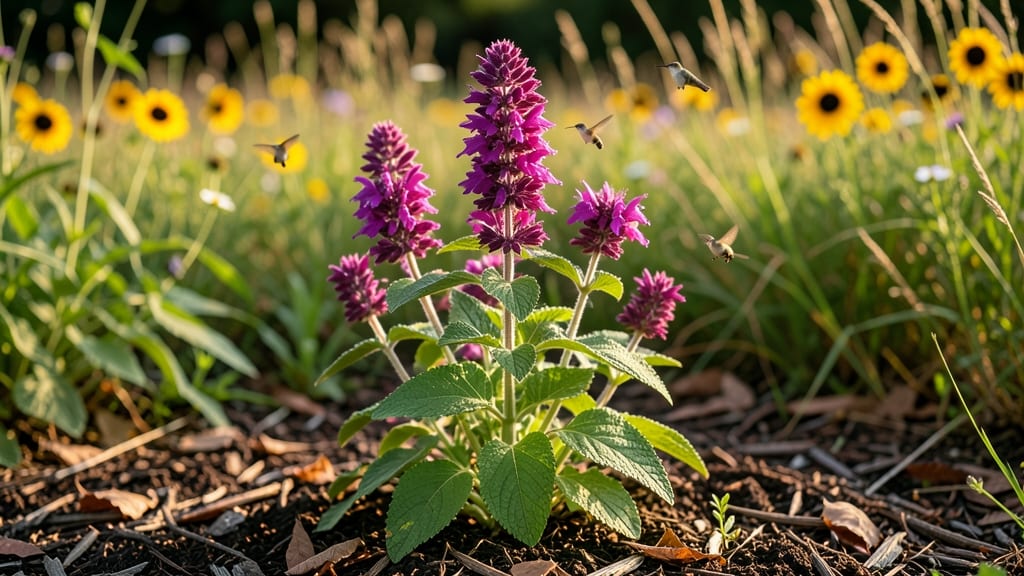
Purple bee balm (Monarda didyma) transforms your garden into a buzzing, blooming paradise that hummingbirds and bees can't resist. 🌿 I planted mine last spring, and by July, the air hummed with pollinators while the vibrant purple spikes stole every eye in the neighborhood.
This isn't just another pretty flower—it's a powerhouse that thrives with minimal fuss once you get the basics right.
The secret to happy bee balm starts with full sun to partial shade and moist, well-draining soil. Too much shade means fewer blooms, while soggy roots lead to root rot—both mistakes I made my first year.
Amend heavy clay with compost, and water consistently (about 1 inch per week), letting the soil dry slightly between waterings. Once established, it handles drought surprisingly well, but the blooms stay showier with regular moisture.
By midsummer, you'll have 3-4 foot tall spikes of tubular purple flowers that attract pollinators from dawn till dusk. The fragrance alone—minty and sweet—makes it worth growing, but the real magic happens when your garden becomes a pollinator hotspot.
Just be ready to deadhead spent blooms in late summer to encourage a second flush of flowers before frost.
For long-term success, divide clumps every 3-4 years to prevent overcrowding, and watch for powdery mildew in humid climates—spraying with neem oil early prevents most issues.
The best part? This plant multiplies easily from root divisions, so you'll soon have enough to share (or plant extra for your neighbors to envy).
📚 In This Guide
- What you need
- Instructions
- Tips and common mistakes
- Wrapping up and next steps
What you need
- ● Purple bee balm plants: 3–5 nursery-grown plants (for quick blooms)
- ● OR seeds (start indoors 8–10 weeks before last frost)
- ● Well-draining potting mix: 1–2 bags (sterilized for seeds)
- ● Garden soil: Amended with compost (2–3 inches mixed in)
- ● Organic mulch: Straw or shredded leaves (1–2 inches)
- ○ Slow-release fertilizer (optional): 10-10-10 or balanced organic (e.g., fish emulsion)
- ● Garden gloves (to protect from prickly stems)
- ● Hand trowel or small shovel (for transplanting)
- ● Watering can or hose with gentle spray nozzle
- ● Pruning shears (for deadheading and shaping)
- ● Measuring tape or ruler (to space plants 18–24 inches apart)
- ● Full sun to partial shade (6+ hours of sunlight daily)
- ● Moist, well-draining soil (pH 6.0–7.0)
- ● Space for clumping growth (avoid planting near weak perennials—bee balm can spread!)
- ● 💡 Pro Tip: If your soil is heavy clay, mix in perlite or sand to improve drainage.
Step-by-Step guide to growing a thriving purple bee balm plant
Here's how I transform a single bee balm plant into a pollinator powerhouse that blooms all summer long.
🌱 Step 1: Choose the Perfect Planting Location
Purple bee balm thrives in full sun to partial shade, with at least 6 hours of direct sunlight daily. I plant mine in a spot where it gets morning sun and afternoon shade—this prevents the foliage from scorching in hot climates while ensuring abundant blooms. The plant's deep roots appreciate well-draining soil, so avoid low-lying areas where water pools.
Watch for the first true leaves after transplanting—they'll tell you if the plant is happy. If they appear dark green and upright, you've picked the right spot. If they look pale or wilted, move the plant to a sunnier location within a week.
☀️ Step 2: Prepare Soil for Optimal Growth
Bee balm loves rich, moist but well-draining soil with a slightly acidic to neutral pH (6.0-7.0). I amend my garden beds with 2-3 inches of compost mixed into the top 6 inches of soil. This improves drainage while providing essential nutrients. If your soil is heavy clay, add 1 part perlite to 3 parts soil to prevent root rot.
Dig a hole twice as wide as the root ball but only as deep as the container it came in. Loosen the roots gently if they're circling—this encourages outward growth. The key is to bury the plant at the same depth it was growing in the nursery pot.
💧 Step 3: Plant and Establish Proper Watering Routine
After planting, water deeply until the soil is 6 inches down moist. Bee balm's deep roots need consistent moisture, especially during the first growing season. I water mine 2-3 times per week during dry spells, but always check the soil first—stick your finger 2 inches deep. If it feels dry, water; if damp, wait another day.
Mulch around the base with 2-3 inches of organic mulch to retain moisture and suppress weeds. Keep the mulch 2 inches away from the stem to prevent rot. The plant will establish roots within 4-6 weeks, and you'll notice new growth along the stems.
✂️ Step 4: Prune for Bushier Growth and Longer Blooms
Once the plant reaches 12-18 inches tall, cut back the stems by one-third to encourage bushier growth. I do this in early spring or after the first flush of blooms. Use clean, sharp pruners to make cuts just above a set of leaves. This stimulates new shoots and prevents the plant from becoming leggy.
Deadhead spent blooms regularly to prolong flowering. Pinch off the faded flowers with your fingers or prune them off with shears. You'll see new buds forming within 2-3 weeks—this keeps the plant blooming from mid-summer until frost. Just don't cut back too late in the season, or you'll reduce next year's growth.
🐝 Step 5: Maintain for Pollinator Success
Bee balm's vibrant purple blooms attract hummingbirds, bees, and butterflies. To maximize pollinator visits, avoid using pesticides—these plants thrive on natural predators. If you notice aphids or Japanese beetles, blast them off with a strong stream of water instead of chemical sprays.
Divide mature plants every 3-4 years in early spring to keep them vigorous. Dig up the clump, separate the roots, and replant the divisions. This prevents overcrowding and rejuvenates the plant. You'll end up with multiple thriving plants that continue to draw pollinators to your garden.
Tips & tricks for perfect purple bee balm planting
These simple but game-changing tricks will help your bee balm thrive and attract pollinators all season.
Location Intelligence: The 6 hours of daily sunlight mentioned in Step 1 is non-negotiable for vibrant blooms, but here's the trick: if you're in a hot climate, prioritize afternoon shade to prevent leaf scorch. I've seen plants in full afternoon sun develop crispy edges by midday—watch for this and adjust if needed. Morning sun gives the plant energy without the heat stress.
Soil Secret: When amending soil with compost in Step 2, don't just top-dress—work it into the top 6 inches as specified. The key is creating a moisture-retaining yet well-draining environment. For clay-heavy soils, mix in that 1 part perlite to 3 parts soil ratio before planting. I've seen roots struggle in unamended clay, even with proper watering.
Watering Wisdom: The 2-3 times weekly watering guideline in Step 3 works best when you check that 2-inch soil depth. Here's what I've learned: water in the morning whenever possible—this gives roots time to absorb moisture before evening heat causes evaporation. I've noticed plants watered in the evening can develop fungal issues from prolonged dampness.
Pruning Precision: When you reach that 12-18 inch height for pruning in Step 4, make your cuts at a 45-degree angle just above a leaf node. This small detail encourages stronger regrowth. I've found that straight cuts can lead to water pooling at the cut site, which sometimes causes rot. The 2-3 week window for new buds to appear after deadheading is spot-on—just be patient and consistent with this maintenance.
Pro Tips for Purple Bee Balm Plant
- These simple but game-changing tricks will help your bee balm thrive and attract pollinators all season.
- Location Intelligence: The 6 hours of daily sunlight mentioned in Step 1 is non-negotiable for vibrant blooms, but here's the trick: if you're in a hot climate, prioritize afternoon shade to prevent leaf scorch.
- Soil Secret: When amending soil with compost in Step 2, don't just top-dress—work it into the top 6 inches as specified.
Frequently asked questions
Got questions about growing purple bee balm? You’re not alone! Here are some of the most common queries—plus quick, actionable answers to help your garden thrive.
When is the best time to plant purple bee balm?
Plant Monarda didyma in early spring (after the last frost) or early fall for established roots before winter. If starting from seeds, sow indoors 8–10 weeks before the last frost or directly outdoors in spring. Pro tip: Avoid transplanting when soil is soggy—wait for it to dry slightly to prevent root shock.
How do I attract more pollinators to my bee balm?
Bee balm is a pollinator superstar, but you can boost its appeal! Plant in full sun (6+ hours/day), group with other native flowers (like coneflowers or milkweed), and avoid pesticides. Bonus: Leave seed heads over winter—they provide food for birds and early pollinators!
Why aren’t my purple bee balm flowers opening?
If blooms stay budded, check these fixes:
- Not enough sun: Move to a sunnier spot (bee balm loves at least 6 hours of direct light).
- Overcrowding: Thin plants to 18–24 inches apart for better airflow.
- Too much nitrogen: Feed with a low-nitrogen, high-phosphorus fertilizer (like 5-10-5) to encourage blooms.
Still struggling? Try deadheading spent flowers to prompt new growth!
Can I grow purple bee balm in containers?
Choose a container at least 12 inches deep with drainage holes. Use a well-draining potting mix and place it in full sun to partial shade. Container hack: Mix in compost to retain moisture—bee balm loves consistent dampness (but not soggy soil).
What can I plant alongside purple bee balm for a pollinator-friendly garden?
Pair it with these pollinator magnets for a buzzing ecosystem:
- Coneflowers (Echinacea)
- Black-eyed Susans (Rudbeckia)
- Butterfly weed (Asclepias tuberosa)
- Lavender (Lavandula)
- Goldenrod (Solidago)
Design tip: Plant in 3–5 foot clusters for maximum impact and pollinator traffic!
Wrapping up and next steps
Bringing purple bee balm into your garden isn’t just about adding a splash of color—it’s a simple yet powerful way to support pollinators and enjoy effortless summer beauty. 🌸 With its hardy nature, low-maintenance care, and irresistible blooms, this plant proves that even small spaces can make a big difference for bees, butterflies, and hummingbirds.
Ready to transform your outdoor space? Start by choosing a sunny spot, gathering your supplies, and planting with confidence—your garden (and the pollinators!) will thank you.
Next step: Grab your gloves, pick a pot or patch of soil, and let the magic of purple bee balm begin! 🌱