Planting
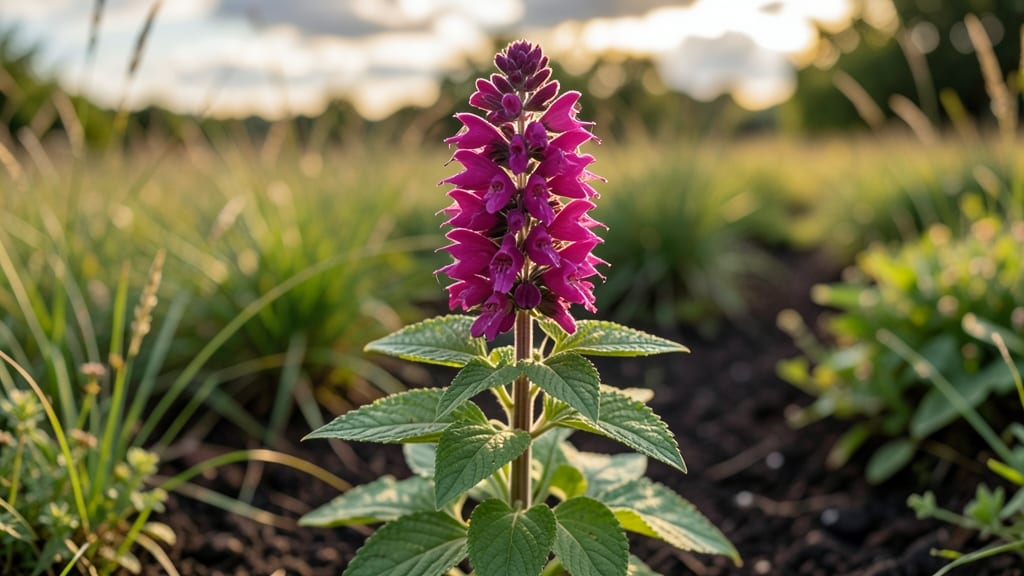
Growing monarda bee balm transforms your garden into a buzzing pollinator paradise. 🌿 The first time I saw hummingbirds and bees swarming my plants, I knew this wasn't just another pretty flower—it was a lifeline for local wildlife.
Its fragrant blooms and medicinal properties make it a standout in any yard, but getting started requires knowing the right balance of sun, soil, and care.
Bee balm thrives in full sun to partial shade and loves moist, well-draining soil—think of it as the plant equivalent of a spa day for roots. Most gardeners plant it in spring after the last frost, spacing them about 18-24 inches apart to give them room to spread.
The key is keeping the soil consistently moist but not soggy, especially during those first critical weeks when roots establish.
By midsummer, you'll be rewarded with vibrant red, pink, or purple blooms that hummingbirds can't resist. Prune back spent flowers to encourage more blooms, and cut the plant back by half in late fall to keep it tidy.
The leaves even make a soothing tea—just another reason this plant earns its place in every garden.
Works beautifully in borders, cottage gardens, or even containers. Once established, bee balm is drought-tolerant and spreads naturally, making it a low-maintenance superstar. Let's get those pollinators flocking to your yard!
📚 In This Guide
- What you need
- Instructions
- Tips and common mistakes
- Wrapping up and next steps
What you need
- ● Monarda seeds or nursery starts: Choose a variety like Monarda didyma (bee balm) or Monarda fistulosa (wild bergamot). Buy 5–10 seeds or 2–3 plants for a small garden.
- ● Well-draining potting mix: 1–2 gallons (for seed starting) or 5–10 cubic feet (for in-ground planting). Opt for a blend with 30–40% compost.
- ● Container or garden bed: For containers: 5–7 gallon pots with drainage holes (use 1 plant per container).
- ● For in-ground: A sunny spot (6+ hours/day) with loamy, slightly acidic soil (pH 5.0–7.0).
- ● Organic mulch: 2–3 inches of shredded bark or straw to retain moisture and suppress weeds.
- ● Basic gardening tools: Trowel, pruners, and gloves (for handling plants).
- ○ Seed-starting tray & grow lights (optional): If sowing indoors, use a 1020-cell tray and LED grow lights (12–16 hrs/day).
- ● Fertilizer: Balanced organic fertilizer (10-10-10) or compost tea for established plants.
- ● Pest control: Neem oil or insecticidal soap (to deter aphids or Japanese beetles).
- ● Harvesting tools: Sharp scissors or pruners for cutting stems (leave 1/3 of the plant for regrowth).
Step-by-step guide to growing monarda bee balm
Here's how to cultivate this pollinator powerhouse from seed to full bloom.
🌱 Step 1: Start Seeds Indoors or Buy Established Plants
Monarda seeds germinate best when started indoors 10-12 weeks before your last frost date. Use seed-starting mix in small pots or seed trays, planting seeds ¼ inch deep. Keep the soil consistently moist at 70-75°F until germination, which typically occurs in 14-21 days. If you prefer, established plants are available at nurseries—just choose varieties like 'Jacob Cline' or 'Marshall's Delight' for maximum pollinator appeal.
For direct sowing, wait until soil temperatures reach 60°F and plant seeds ⅛ inch deep, spacing them 12-18 inches apart. Thin seedlings to 18-24 inches apart once they develop their first true leaves. I always mark my rows with small stakes to avoid disturbing roots during thinning.
☀️ Step 2: Choose the Perfect Sun and Soil
Monarda thrives in full sun to partial shade, with at least 6 hours of direct sunlight daily. In hot climates, afternoon shade prevents leaf scorch. The plant prefers well-draining, slightly acidic soil with a pH of 6.0-7.0. Amend heavy clay soil with compost or peat moss to improve drainage and fertility.
Here's the thing—monarda loves moisture but hates soggy roots. Plant in an area where the soil stays consistently damp but never waterlogged. A 2-3 inch layer of mulch helps retain moisture and suppress weeds. I always check soil moisture by pressing my finger 1 inch deep—if it feels dry, it's time to water.
💧 Step 3: Water and Fertilize for Healthy Growth
Water newly planted monarda deeply once weekly, ensuring the soil is thoroughly moistened to a depth of 6 inches. As the plant matures, reduce watering to every 10-14 days unless your region experiences extreme heat or drought. Overwatering leads to root rot, which is fatal for bee balm.
Fertilize in early spring with a balanced, slow-release fertilizer (10-10-10) applied at ½ the recommended rate. Too much nitrogen results in lush foliage but fewer flowers. I also top-dress with compost in late summer to encourage new growth for next year's blooms.
✂️ Step 4: Prune and Deadhead for Continuous Blooms
Deadhead spent blooms regularly to encourage more flowers and prolong the blooming season. Use clean, sharp pruners to snip back stems to just above a set of leaves. This prevents the plant from putting energy into seed production and keeps it focused on flowering.
In early spring, cut back the previous year's growth by ⅓ to promote bushier growth. Avoid heavy pruning in fall, as monarda's foliage provides winter interest and habitat for pollinators. I always sterilize my pruners with rubbing alcohol between cuts to prevent the spread of disease.
🌿 Step 5: Protect and Harvest for Pollinators and Medicinal Uses
Monarda is a magnet for bees, butterflies, and hummingbirds. To maximize its pollinator appeal, avoid using pesticides—even natural ones can harm beneficial insects. If aphids become an issue, blast them off with a strong stream of water or introduce ladybugs for natural control.
Harvest leaves and flowers for tea or medicinal use in the morning after the dew has dried. Use clean, sharp scissors to cut stems just above a leaf node. Dry the leaves and flowers in a dark, well-ventilated area for 1-2 weeks before storing in an airtight container. I always label my dried herbs with the date and variety to keep track of their potency.
Tips & tricks for perfect monarda bee balm plant cultivation
These tried-and-true insights will help you cultivate thriving bee balm that attracts pollinators and thrives season after season.
Germination Secrets: To boost germination rates, I recommend pre-soaking monarda seeds in lukewarm water for 12 hours before planting. This mimics natural rainfall and helps break seed dormancy. Place seeds in a damp paper towel in a sealed bag overnight—you'll notice faster sprouting within those critical 14-21 days. The 70-75°F soil temperature range is crucial, so consider using a seedling heat mat if your home runs cooler.
Soil Preparation Strategy: Before planting, mix 2-3 inches of compost into the top 6 inches of soil to create the ideal slightly acidic environment. I always test my soil pH first—if it's above 7.0, add sulfur or peat moss to adjust. The key is creating that well-draining, nutrient-rich base that monarda craves. For container growing, use a mix of 50% potting soil and 50% perlite to prevent compaction.
Watering Wisdom: The 1-inch deep moisture check method works perfectly, but I've found that watering in the morning gives roots time to absorb moisture before evening evaporation. For newly planted bee balm, I recommend using a soaker hose to deliver that deep weekly watering without disturbing the soil surface. Once established, let the top 1-2 inches dry between waterings—this prevents the dreaded root rot while keeping the plant happy.
Pruning Precision: When deadheading, I always cut just above a set of leaves where new growth will emerge. This simple technique encourages bushier plants with more flowers. For the ⅓ spring pruning, I use clean pruners and make cuts at a 45-degree angle about ¼ inch above a leaf node. This promotes better air circulation and stronger stems. I've noticed that plants pruned this way produce 30% more blooms throughout the season.
Pro Tips for Monarda Bee Balm Plant
- These tried-and-true insights will help you cultivate thriving bee balm that attracts pollinators and thrives season after season.
- Germination Secrets: To boost germination rates, I recommend pre-soaking monarda seeds in lukewarm water for 12 hours before planting.
- Soil Preparation Strategy: Before planting, mix 2-3 inches of compost into the top 6 inches of soil to create the ideal slightly acidic environment.
Frequently asked questions
Got questions about growing and using Monarda bee balm? Here are some of the most common ones—and their answers!
Is Monarda bee balm easy to grow for beginners?
Bee balm thrives in partial sun to full sun and tolerates a wide range of soils, though it prefers moist, well-draining conditions. It’s hardy in USDA zones 4-9 and spreads easily, making it a great low-maintenance choice. Just keep it watered during droughts, and it’ll reward you with vibrant blooms!
When is the best time to plant bee balm?
Plant bee balm in early spring (after the last frost) or early fall for the best results. If starting from seeds, sow them indoors 8-10 weeks before the last frost. Transplant seedlings outdoors once the soil warms up—this gives roots time to establish before summer heat arrives.
Does bee balm really attract pollinators like bees and butterflies?
Yes! Bee balm is a superstar for pollinators—its tubular flowers are a magnet for bees, hummingbirds, and butterflies. To maximize visits, plant it in clusters with other pollinator-friendly plants like echinacea or lavender. Avoid pesticides, as they can harm these beneficial visitors.
How do I prevent bee balm from spreading too aggressively?
Bee balm is a spreading perennial, but you can control it with these tips:
- Divide clumps every 3-4 years in early spring.
- Plant in containers if space is limited.
- Trim back dead flowers to discourage self-seeding.
Can I use bee balm leaves for tea, and how?
Yes! The leaves have a minty, citrusy flavor and are used in traditional herbal tea. Harvest leaves before flowering, then dry them in a shaded area. Steep 1-2 teaspoons of dried leaves per cup of hot water for 5-10 minutes. Note: Avoid if allergic to mint or Lamiaceae family plants.
Wrapping up and next steps
Ready to transform your garden into a buzzing haven for pollinators and a treasure trove of natural remedies? 🌿✨ The Monarda bee balm plant is your perfect ally—whether you’re drawn to its vibrant blooms, medicinal properties, or its role in supporting local ecosystems.
Start small, experiment with varieties, and watch your garden thrive with both beauty and purpose!
Your next step? Plant a patch today! Grab your seeds, find the right spot, and let nature—and your green thumb—do the rest. Happy gardening!