
Planting
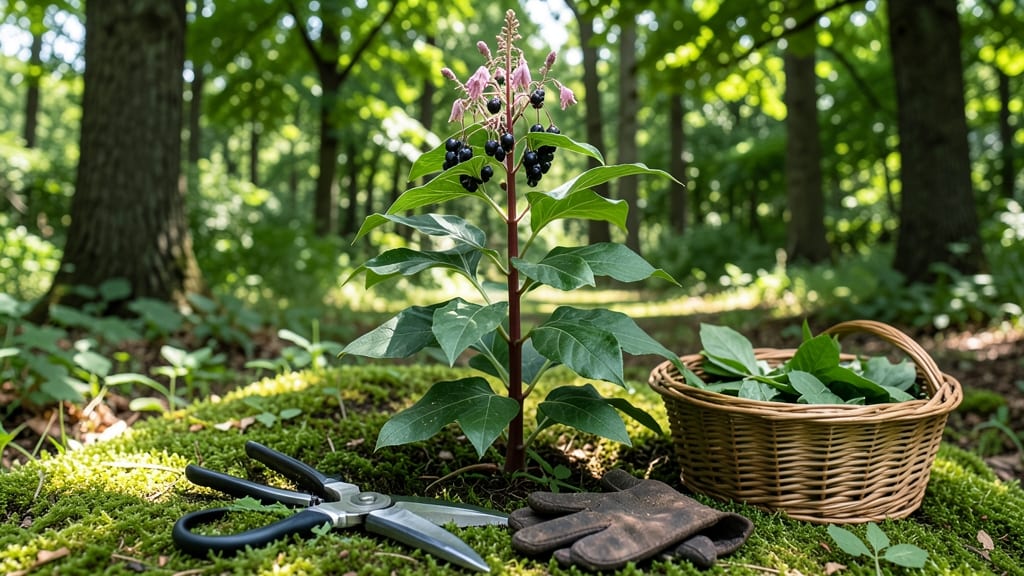
Poke salad plant images reveal a compact, edible herb with tiny, oval-shaped leaves that grow close to the ground, often mistaken for dandelion greens or purslane. Recognize it by its glossy texture and slightly peppery taste before harvesting or starting seeds.
A poke salad plant's distinctive appearance makes it easy to spot once you know what to look for.
These low-growing perennials typically reach just 6-12 inches tall, with leaves arranged in a rosette pattern along the stem. 🌱 The young shoots are especially tender and flavorful, while mature plants develop small white flowers that add to their ornamental appeal.
Since poke salad grows wild in many regions, you'll often find it thriving in disturbed soils or along roadsides, though cultivated varieties tend to have more uniform growth patterns.
When identifying poke salad from images, pay attention to the leaf arrangement and stem structure. Unlike similar edible greens, poke salad leaves grow alternately along the stem rather than in clusters, and the stems themselves are smooth with a slight red tint when young.
This visual distinction helps avoid confusing it with poisonous look-alikes like water hemlock, which shares some similar growing habits but has completely different leaf patterns and toxic properties.
For gardeners, understanding these visual cues is crucial before attempting to cultivate poke salad. The plant's adaptability makes it a great addition to permaculture systems, but proper identification prevents accidental consumption of harmful plants that might grow nearby.
Always cross-reference with multiple reliable sources or consult local botanists when in doubt about wild harvests.
💡 In This Article
- Visual Guide to Identifying Poke Salad Leaves
- Best Practices for Cultivating Poke Salad from Seed
Visual guide to identifying poke salad leaves
The poke salad plant's leaves are its most distinctive feature, with a unique combination of shape and texture that sets it apart from common edible greens. These leaves grow in an alternate arrangement along the stem, creating a slightly zigzag pattern when viewed from above.
Each leaf measures about 1-3 inches long and ½-1 inch wide, with a slightly oval or lance-shaped form that tapers to a point. The edges have a gentle serration—small, rounded teeth that give the leaves a slightly scalloped appearance when mature.
The color of poke salad leaves varies by age and growing conditions, but young leaves typically display a vibrant dark green hue with a slight reddish tint along the veins and stems.
This coloration intensifies when exposed to cooler temperatures, which is why early spring harvests often yield the most flavorful shoots. The leaves have a succulent texture, similar to purslane but slightly thicker, with a smooth surface that feels almost waxy to the touch.
This succulence makes them ideal for raw consumption in salads, where their crispness contrasts beautifully with other ingredients.
One of the most critical identification markers is the stem structure. Poke salad stems are typically reddish-purple when young and become more greenish as they mature, with a smooth surface that lacks the hairiness found on many wild plants.
The stems grow upright but often sprawl slightly, creating a low, bushy appearance. This growth habit helps distinguish it from its look-alike, the water hemlock, which has deeply grooved stems and a more aggressive, toxic growth pattern.
Always examine the stem's color and surface texture when identifying poke salad in the wild.
Another key visual clue is the plant's flowering stage, which occurs in late spring to early summer. Poke salad produces small, white or pale green flowers that grow in clusters at the top of the stem, resembling tiny umbrellas.
These flowers are edible and add a delicate flavor to dishes, though they're often removed during harvest to encourage leaf production. The presence of these flowers helps confirm identification, especially when comparing with similar-looking plants like lamb's quarters, which have yellowish-green flowers and a more triangular leaf shape.
For gardeners, understanding these visual distinctions is essential before planting. Poke salad thrives in partial shade to full sun and prefers well-draining soil, which helps prevent the leaf edges from turning yellow—a common sign of overwatering or poor drainage.
When comparing poke salad to other edible greens, its alternate leaf arrangement and reddish stems are the most reliable markers. Always cross-reference with a trusted field guide or consult a local botanist if you're harvesting wild plants, as misidentification can have serious consequences.
To further refine your identification skills, observe how poke salad leaves respond to environmental conditions. For example, leaves grown in full sun tend to develop a deeper green color and a slightly more bitter flavor, while those in partial shade remain tender and sweeter.
This adaptability makes poke salad a versatile addition to gardens, but it also means you'll need to adjust your identification criteria based on the plant's growing conditions. 💫