
Planting
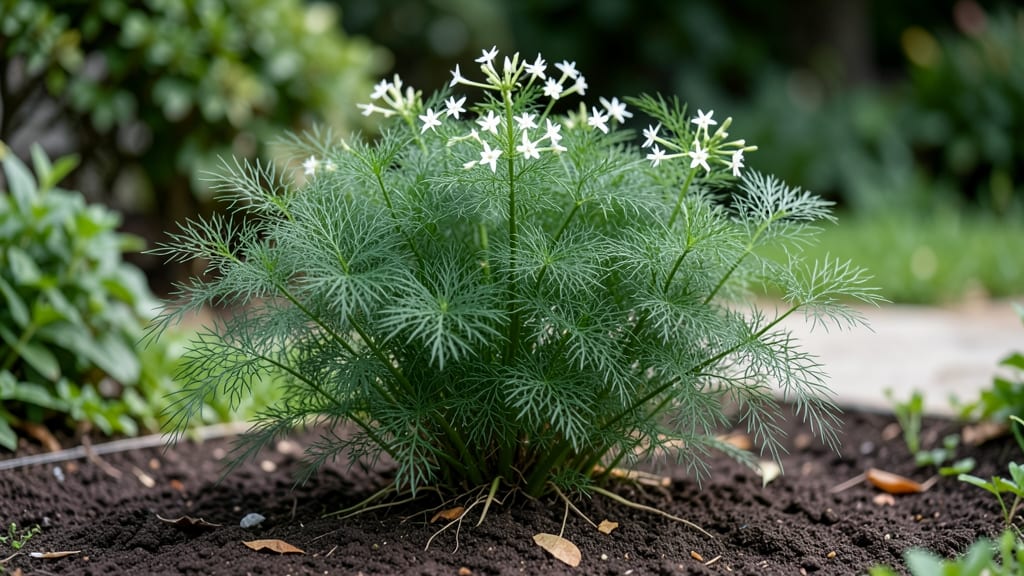
That plant that looks like asparagus with white flowers is likely an ornamental onion—and it’s easier to grow than you’d think. 🌱 I’ve been growing these stunners for years, and they thrive in spots where asparagus would struggle. The key difference?
Their flowers are star-shaped, not the tight clusters of true asparagus, and their leaves emerge later in spring. These plants love full sun and well-draining soil, making them perfect for borders or cottage gardens.
Unlike asparagus, they multiply easily from seed or bulb division, so you’ll soon have clusters of them popping up naturally. Just avoid soggy soil—their roots hate wet feet. By summer’s end, you’ll have lush clumps of grass-like foliage topped with fragrant white blooms that hummingbirds adore.
The best part? They’re low-maintenance—once established, they’ll return year after year with minimal care. If pests or diseases appear, most issues stem from overwatering or poor drainage. A quick fix is to improve soil aeration or adjust your watering schedule. These plants are tough once they’re happy!
Natural Growth Patterns Explained
If you’ve spotted a plant resembling asparagus with delicate white flowers, you’re likely looking at an ornamental onion (like Allium species) or a relative like Mertensia. These plants grow this way for a reason—it’s all part of their survival and reproduction strategy.
Let’s break down the science behind their unique appearance and why they thrive in this form.
Many plants in the Allium family (which includes onions, garlic, and shallots) evolve to develop long, spear-shaped leaves as a way to maximize sunlight absorption and minimize water loss. Here’s why:
- Efficient photosynthesis: The narrow, upright leaves reduce surface area exposed to wind and evaporation, helping them conserve moisture in dry climates. This is especially useful in regions where water is scarce.
- Structural support: The fibrous, hollow stems (like asparagus) provide stability, allowing the plant to grow tall without toppling over. This helps the flower stalks reach pollinators more easily.
- Adaptation to bulbous growth: Ornamental onions store nutrients in their bulbs underground. The spear-like foliage acts as a conduit, funneling energy from sunlight directly to the bulb for future growth.
Actionable insight: If you’re growing these plants in containers, ensure the soil drains well to mimic their natural, moisture-efficient environment. Overwatering can cause the leaves to soften or rot, disrupting this evolutionary advantage.
The white, star-shaped blooms you’re admiring aren’t just for show—they’re a reproductive signal triggered by specific environmental cues. Here’s how it works:
- Day length (photoperiodism): Many ornamental onions are long-day plants, meaning they bloom in response to increasing daylight hours (typically 14+ hours of light). This ensures flowers appear in spring or early summer when pollinators are most active.
- Temperature thresholds: Cool nights (below 60°F/15°C) followed by warm days (above 70°F/21°C) can jumpstart flowering. This pattern mimics the transition from winter to spring, their natural blooming window.
- Maturity of the bulb: The plant must reach a certain size (usually 1–2 years of growth) before it allocates energy to flowering. Smaller bulbs may produce foliage but delay or skip blooms entirely.
Pro tip: To encourage flowering, place your plants in a sunny spot (6+ hours of direct light daily) and avoid fertilizing heavily with nitrogen in late summer—this promotes leafy growth over blooms. A balanced 10-10-10 fertilizer in early spring can help.
Ornamental onions thrive in well-draining, slightly alkaline soil (pH 6.0–7.5), which directly impacts their growth habit. Here’s why their asparagus-like appearance is tied to soil health:
| Soil Factor | Why It Matters | What Happens If It’s Wrong |
|---|---|---|
| Low organic matter | Encourages fibrous, upright root systems to search for nutrients. | Leads to weak, floppy stems or yellowing leaves (nutrient deficiency). |
| High phosphorus | Supports bulb development and flower production. | Excess nitrogen (from rich compost) can result in lush foliage but no blooms. |
| Good drainage | Prevents bulb rot and promotes strong, spear-like stems. | Waterlogged soil causes stems to soften or mushrooms to appear (fungal issues). |
Actionable fix: Amend heavy clay soil with perlite or sand to improve drainage. For containers, use a mix of potting soil, compost, and coarse sand (e.g., 60/30/10 ratio). Avoid peat-heavy mixes, which can compact over time.
The white, umbrella-like flowers of ornamental onions aren’t just pretty—they’re evolved to attract pollinators like bees, butterflies, and even hummingbirds. Their design serves three key purposes:
- Visibility: White petals stand out against green foliage, making them easy for pollinators to spot from a distance.
- Nectar rewards: While not all Allium species produce nectar, their abundant pollen is a major food source for insects, incentivizing visits.
- Structural access: The spherical flower head (umbel) allows multiple pollinators to feed simultaneously, increasing cross-pollination rates.
Fun fact: Some ornamental onions, like Allium cristophii, have sterile white “petals” (technically tepals) that are just for show—but the central cluster still produces pollen. This dual-purpose design ensures even non-rewarding flowers still play a role in the ecosystem.
Ornamental onions hail from temperate regions (Europe, Asia, North America), where they’ve adapted to:
- Drought tolerance: Their spear-like leaves reduce water loss, ideal for Mediterranean or steppe climates.
- Cold hardiness: Bulbs can survive freezing temperatures, then rebound with spring growth.
- Short growing seasons: Rapid above-ground growth in spring ensures they flower and set seed before summer heat arrives.
What to watch for: If your plant grows foliage but no flowers, it may be struggling with:
- Insufficient sunlight (try a sunnier spot).
- Overly rich soil (reduce nitrogen in the second half of the year).
- Immature bulbs (be patient—some varieties take 2+ years to bloom).
Quick Fixes for Common Growing Issues
If your ornamental onion (that striking plant resembling asparagus with delicate white blooms) isn’t thriving, don’t panic—most problems have simple, effective solutions. Below, we’ve mapped common issues to actionable fixes, plus prevention tips to keep your plant happy and healthy.
Cause: Overwatering, poor drainage, or root rot. Fix:
- 🔥 Check the soil moisture—stick your finger 1–2 inches deep. If it’s soggy, hold off on watering.
- 🍳 Repot if needed—use a well-draining mix (add perlite or sand to regular potting soil).
- 👨🍳 Trim damaged leaves with clean scissors to redirect energy to healthy growth.
Prevention Tips: ✨ Water only when the top inch of soil is dry—ornamental onions hate soggy roots. ✨ Use containers with drainage holes—or plant in raised beds if gardening outdoors.
Cause: Insufficient sunlight, nutrient deficiency, or crowding. Fix:
- 🔪 Move to a sunnier spot—these plants need 6+ hours of direct sunlight daily.
- 🥘 Fertilize lightly—use a balanced, low-nitrogen fertilizer (like 5-5-5) every 4–6 weeks in spring.
- 🌡️ Thin out bulbs if planted too closely (leave 6–8 inches between each).
Prevention Tips: 💡 Plant in early spring for optimal growth before summer heat. 🎯 Avoid over-fertilizing—too much nitrogen = lush leaves, fewer flowers.
Cause: Weak plants attract pests, or slugs target tender new growth. Fix:
- 🔥 Blast off aphids with a strong spray of water or use neem oil (mix 1 tbsp with 1 quart water).
- 👨🍳 Set up slug barriers—crushed eggshells or copper tape around the base.
- 🥘 Introduce predator insects like ladybugs if mites are an issue.
Prevention Tips: ✨ Inspect plants weekly—catch pests early before they spread. ✨ Water at the base (not overhead) to discourage slugs.
Cause: Stress from heat, wind, or improper care. Fix:
- 🌡️ Provide afternoon shade in hot climates to prevent wilting.
- 🍳 Deadhead spent blooms to encourage more flowers (but leave some for seed heads if you want natural propagation).
- 🥘 Mulch around the base to retain moisture and protect roots.
Prevention Tips: 💡 Choose a sheltered spot—wind can damage delicate flowers. 🎯 Water consistently—drought stress causes buds to drop.
Cause: Freeze damage or improper dormancy care. Fix:
- 🔥 Cut back foliage after it yellows in fall, but leave the bulb in the ground (they’re hardy in zones 3–9).
- 🍳 Add mulch (3–4 inches) around the base in late fall to insulate roots.
- 👨🍳 In cold climates, dig up bulbs after foliage dies back, dry them, and store in a cool, dark place until spring.
Prevention Tips: ✨ Plant in well-draining soil—waterlogged bulbs rot over winter. ✨ Avoid fertilizing in late summer—it encourages new growth that won’t survive frost.
Pro Tip: 🌿 Rotate your ornamental onions every 2–3 years—this prevents soil-borne diseases and keeps them blooming beautifully!
Frequently asked questions
Is this plant edible like asparagus?
No, these ornamental onions are primarily grown for their striking foliage and flowers—not their taste. While some Allium relatives (like chives or garlic chives) are edible, the ones with white flowers are typically ornamental varieties. Their leaves can have a mild onion/garlic flavor, but they’re not as tender or sweet as true asparagus. Always double-check the species before consuming!
Why aren't my plants flowering this year?
Flowering often takes 1-2 years for ornamental onions to mature enough to bloom. Common reasons for no flowers include insufficient sunlight (6+ hours daily needed), over-fertilizing with nitrogen (promotes leaves over blooms), or planting bulbs too shallow. Try moving them to a sunnier spot and using a balanced fertilizer in spring instead of late summer.
Can I grow these in containers?
These plants thrive in containers with well-draining soil and drainage holes. Use a mix of potting soil, perlite, and compost (ratio: 60/30/10). For pots, choose containers at least 8 inches deep and 12 inches wide to accommodate bulb growth. Water when the top inch of soil feels dry, and place them in full sun for best results.
How do I tell the difference between ornamental onions and asparagus?
Ornamental onions have thinner, more flexible leaves that emerge later in spring (often after asparagus). Their flowers grow on star-shaped clusters (umbels) at the top of stems, while asparagus produces tight, cone-like buds along its spear. Also, ornamental onions have bulbs underground (like garlic), while asparagus grows from crowns.
What's the best time to plant these bulbs?
Plant ornamental onion bulbs in early spring (after the last frost) or fall (6-8 weeks before the first frost). For spring planting, choose a sunny spot with well-draining soil and space bulbs 6-8 inches apart. If planting in fall, ensure the soil temperature is below 60°F (15°C) to prevent premature sprouting.