
Planting
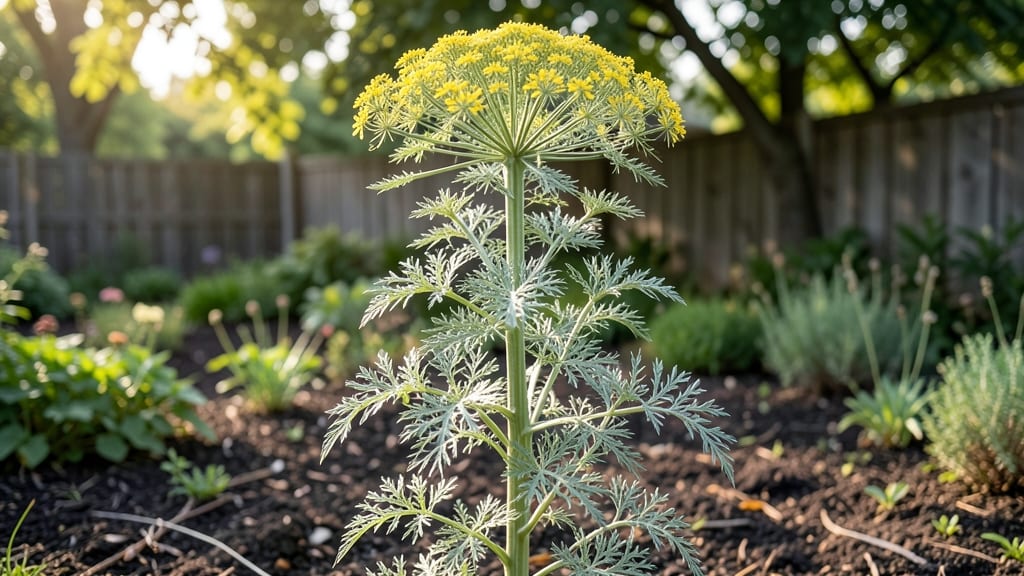
That intoxicating black licorice scent isn’t from candy—it’s from the plant that smells like black licorice, Heliotropium arborescens, the perennial that turns your garden into a sweet, spicy dream. 🌿 I first fell for it when a single whiff near my neighbor’s fence made me drop everything to track down the source.
This isn’t your average floral fragrance; it’s bold, anise-like, and stronger as the day warms. The secret to growing it? Mimic its Mediterranean roots—full sun, well-draining soil, and water only when the top inch feels dry. Overwatering turns those glossy leaves yellow, and nobody wants that.
Start with seeds indoors 8-10 weeks before your last frost, or snag a starter plant if you’re impatient (I was). By midsummer, you’ll have a bush teeming with tiny purple flowers that smell like a candy shop exploded. The scent peaks in late afternoon, so plan your garden strolls accordingly.
Snip the stems for potpourri, or dry the leaves to make tea—though fair warning, it’s an acquired taste. Works in borders, containers, or as a fragrant hedge. Even urban balconies can handle it if you pick the right compact variety. Here’s how to keep it thriving all season long.
Nature’s Licorice Mystery Explained
The intoxicating black licorice aroma wafting from your plant isn’t just a quirky coincidence—it’s a fascinating chemical conversation between the plant and its environment. This fragrant signature comes from a unique blend of compounds, primarily anethole, which gives black licorice its signature taste and scent.
But why do some plants produce it? Let’s break down the science behind this aromatic phenomenon.
At the heart of the licorice-like scent is the plant’s genetic predisposition. Plants like helictrope (also called "licorice plant" or Helictotrichon sempervirens) or fennel (a close cousin) produce anethole as a natural byproduct of their metabolic pathways.
These compounds are synthesized in specialized cells called secretory structures, often found in the leaves, stems, or roots.
Think of it like a plant’s "flavor profile"—just as some fruits are bred to be sweeter or spicier, certain plants evolve to produce aromatic compounds for survival.
In the case of licorice-scented plants, anethole isn’t just a pleasant side effect; it’s a defense mechanism against herbivores and a way to attract pollinators. 🐝
Pro Tip: If you’re growing a licorice-scented plant from seed, choose varieties known for their high anethole content, like Helictotrichon species or Foeniculum vulgare (fennel). These are bred to maximize the compound for their natural purposes—and yours!
Not all plants smell like black licorice all the time. The intensity and even the presence of the scent can be triggered by external factors, including:
- Temperature: Warmer conditions (especially in the late afternoon) can increase the volatility of anethole, making the scent stronger. 🌞
- Sunlight Exposure: Plants grown in full sun often produce more aromatic compounds as a way to attract pollinators or deter pests.
- Water Stress: Surprisingly, mild drought can concentrate aromatic oils, amplifying the licorice scent. However, overwatering dilutes these compounds.
- Mechanical Damage: Crumpling a leaf or bruising a stem can rupture the plant’s oil glands, releasing a burst of anethole. Try it—gently rub a licorice-scented leaf between your fingers and take a whiff!
Actionable Tip: To enhance the scent in your garden, plant licorice-scented varieties in a sunny spot with well-draining soil. If you notice the aroma fading, a light trim or a brief period of reduced watering can sometimes "wake up" the plant’s fragrance.
Plants don’t just smell good for our enjoyment—they use scent as a strategic tool. Anethole and similar compounds serve multiple purposes:
| Purpose | How It Works |
|---|---|
| 🛡️ Pest Deterrent | Strong scents like anethole can repel insects and mammals that might otherwise munch on the plant. The pungent aroma masks the plant’s true scent, confusing herbivores. |
| 🐝 Pollinator Attraction | Some bees and butterflies are drawn to the sweet, anise-like fragrance, helping the plant reproduce. The scent acts like a natural "come hither" signal. |
| 🌱 Fungal Resistance | Certain aromatic compounds can inhibit the growth of harmful fungi or bacteria, giving the plant a competitive edge in the soil. |
If you’ve ever noticed your licorice-scented plant smells stronger after a rainstorm or when it’s under stress, that’s nature’s way of boosting its defenses. The plant is essentially saying, "Danger nearby—time to ramp up the protection!"
The composition of your soil can also play a role in how strongly your plant smells. Here’s how:
- Phosphorus-Rich Soil: This nutrient promotes root and flower growth, which can indirectly boost the production of aromatic oils, including anethole.
- Potassium Levels: Adequate potassium helps regulate the plant’s water balance and overall health, which can enhance scent production.
- Organic Matter: Compost or well-aged manure can introduce beneficial microbes that aid in the synthesis of aromatic compounds.
- Avoid Over-Fertilizing with Nitrogen: Too much nitrogen can lead to lush, green growth but dilute the plant’s scent. Think of it like adding too much salt to a dish—it ruins the flavor!
Garden Hack: If your licorice-scented plant isn’t living up to its fragrant potential, conduct a simple soil test. Amending the soil with a balanced, organic fertilizer (like a 5-5-5 or 3-4-6 blend) can often reignite that signature aroma. 🌿
Understanding why your plant smells like black licorice isn’t just satisfying—it’s the first step to cultivating a garden that’s both functional and fragrant. Whether it’s genetics, environment, or chemistry at play, nature’s licorice lovers are always hard at work behind the scenes! 🕵️♂️
Fixing Your Licorice-Scented Plant Problems
If your fragrant plant that smells like black licorice isn’t thriving—or worse, is struggling—don’t worry! Most issues have simple fixes. Below, we break down common problems and their solutions, so you can keep your plant happy and aromatic. 🌿✨
If your licorice-scented plant (likely Heliotropium or Tagetes) feels soggy or wilts despite moisture, root rot may be the culprit. Overwatering or compacted soil traps excess moisture, suffocating roots.
🔥 Step-by-Step Fix:- 🌱 Check the soil: Stick your finger 1–2 inches deep. If it’s damp, hold off on watering.
- 💧 Adjust watering: Water only when the top inch of soil is dry. Licorice-scented plants prefer well-draining soil—think sandy or loamy mixes.
- 🧹 Repot if needed: If roots are mushy or black, trim the rotten parts with sterilized scissors, then repot in fresh, dry soil with perlite or sand for drainage.
- Use pots with drainage holes.
- Add compost or coconut coir to improve soil aeration.
- Avoid saucers that trap water—empty excess after watering.
Spider mites, aphids, or whiteflies love licorice-scented plants! Yellowing leaves, sticky residue, or tiny webs are red flags.
👨🍳 Quick Pest Control:- 🌿 Isolate the plant to stop pests from spreading.
- 🚿 Blast off pests: Spray leaves with a strong stream of water or wipe with a damp cloth.
- 🧴 Apply neem oil: Mix 1 tsp neem oil + 1 tsp mild soap in 1 quart of water. Spray every 5–7 days.
- 🐞 Introduce beneficial insects: Ladybugs or lacewings eat aphids naturally.
- Inspect new plants before bringing them home.
- Encourage airflow with proper spacing.
- Use reflective mulch (like aluminum foil) to deter pests.
Pale leaves or stunted growth? Your plant might be hungry. Licorice-scented plants need balanced nutrients, especially nitrogen, phosphorus, and potassium.
🥘 Fertilizing Guide:- 📊 Use a balanced fertilizer: Opt for a 10-10-10 or 20-20-20 formula during spring and summer.
- 🌱 Feed lightly: Dilute to half-strength to avoid burning roots.
- 🍎 Boost with compost: Mix in well-rotted compost for slow-release nutrients.
- Test soil every 2–3 years to check pH (ideal: 6.0–7.0).
- Avoid over-fertilizing—more isn’t better!
- Use organic options like fish emulsion or worm castings for gentle nourishment.
Leggy stems or weak scent? Your plant might be in the wrong light spot. Most licorice-scented perennials crave full sun (6+ hours daily).
🔪 Adjusting Light Exposure:- 🌞 Move indoors: Place near a south-facing window if outdoors isn’t an option.
- 💡 Use grow lights: LED or fluorescent lights (12–14 hours/day) work for indoor plants.
- 🌿 Gradually acclimate: If moving from shade to sun, do it over 1–2 weeks to avoid leaf burn.
- Monitor leaf color—yellowing = too much sun; pale = not enough.
- Rotate pots weekly for even growth.
- In hot climates, provide afternoon shade to prevent stress.
With these fixes, your licorice-scented plant should bounce back—and fill your garden with that irresistible aroma! 🌿💜 For persistent issues, consider consulting a local nursery expert.
Frequently asked questions
Which plants naturally smell like black licorice?
The most famous is Heliotropium arborescens (helictrope), but also look for Tagetes lucida (Mexican tarragon) or Foeniculum vulgare (fennel). Anise hyssop and aniseed basil also share that signature anise-like aroma.
Can I grow a licorice-scented plant indoors?
Yes! Heliotropium thrives in containers with bright light (south-facing window) and well-draining soil. Use a 6-inch pot minimum and keep soil lightly moist. Just watch for spider mites—they love indoor plants too.
Why does my licorice plant smell stronger in the afternoon?
Warmth increases the volatility of anethole (the compound behind the scent). The plant releases more aroma during peak sunlight to attract pollinators. Try crushing a leaf—you’ll get an instant burst of that candy-like fragrance!
Is it safe to eat licorice-scented plants?
Most are edible in small amounts, but use caution. Heliotropium contains alkaloids that can be toxic in large quantities. Stick to culinary varieties like anise hyssop or fennel, which are safe for teas and seasoning. Always confirm with a reliable source first.
How do I make my licorice plant bushier?
Pinch back the tips when plants are young to encourage branching. Use a balanced fertilizer (10-10-10) every 4-6 weeks, and ensure it gets 6+ hours of sunlight. Avoid overwatering—dry soil between waterings promotes stronger growth.