
Planting
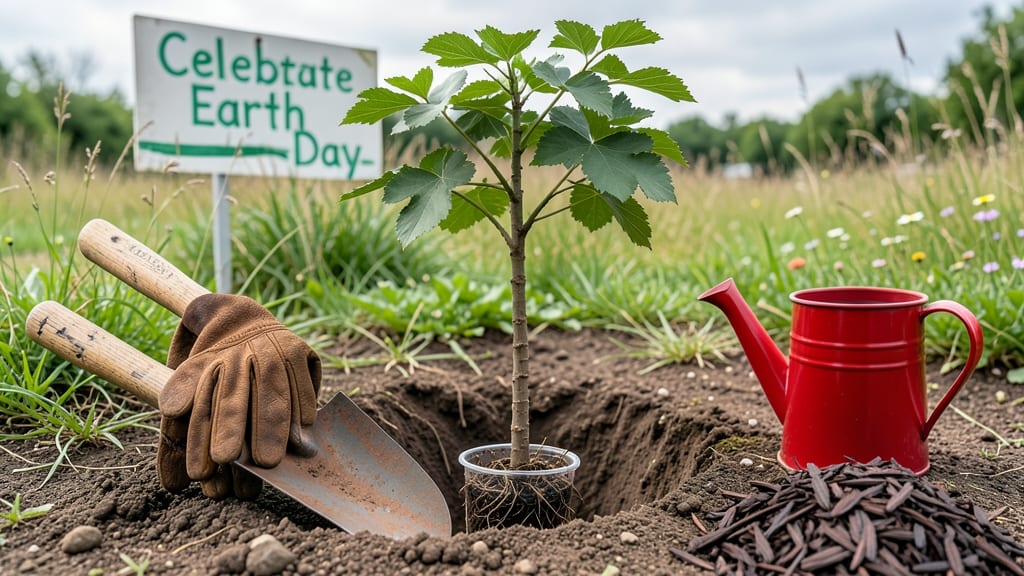
Planting a tree on Earth Day isn't just about the sapling—it's about the promise you make to the planet. 🌱 Every year, millions of trees take root on this day, turning good intentions into lasting change.
The right tree can clean the air, provide shade, and create habitat for birds and bees—all while giving your yard a stunning focal point.
Start with a beginner-friendly species like a redbud, serviceberry, or crape myrtle—they're hardy, fast-growing, and perfect for most climates. Grab a shovel, a bucket of water, and a 5-gallon container (or bare-root tree if planting dormant).
The key is timing: plant 2-4 weeks before or after Earth Day to give roots time to settle before summer heat.
You'll end up with a thriving tree that grows 3-5 feet taller each year, offering shade, beauty, and ecological benefits for decades. The best part? You're joining a global movement—every tree planted makes a difference, whether in your backyard or a community project.
Works for city lots, rural properties, or even large containers. Here's how to make it happen—no green thumb required!
📚 In This Guide
- What you need
- Instructions
- Tips and common mistakes
- Wrapping up and next steps
What you need
- ● Tree sapling: Choose a native, disease-resistant species (e.g., oak, maple, or fruit trees). Quantity: 1 (or more if planting multiple).
- ● Shovel or trowel: A round-point shovel (16–18 inches wide) for digging or a hand trowel for smaller saplings.
- ● Gloves: Heavy-duty gardening gloves to protect your hands.
- ● Watering can or hose: With a gentle spray nozzle (5+ gallons capacity).
- ● Mulch: 3–4 inches of organic mulch (wood chips, straw, or bark).
- ● Compost or fertilizer: Balanced, slow-release (e.g., 10-10-10 NPK ratio). Quantity: ~1 cup per tree.
- ○ Stakes & ties (optional but helpful): 2 wooden stakes (1–2 feet tall) and soft fabric ties for young trees.
- ● Tree guard: A plastic or metal collar to protect the trunk from pests.
- ● Soil tester kit: To check pH and nutrient levels (ideal: 6.0–7.0 pH).
- ● Pruning shears: For trimming dead branches post-planting.
- ● Planting bag or burlap wrap: If your sapling arrives in a container.
- ● Kids’ gloves & watering toys: For a fun, family-friendly Earth Day activity! 👨👩👧👦
Step-by-Step guide to planting a tree for Earth Day
Here's how to plant a tree that will grow strong and celebrate our planet for decades.
🌱 Step 1: Choose the Right Tree and Location
Select a native tree species suited to your climate zone—local trees thrive with minimal care and support biodiversity. Look for a spot with at least 6 feet of clearance in all directions for mature growth, avoiding overhead power lines and underground utilities. I always check the USDA Plant Hardiness Zone Map to ensure the tree will survive winter in my area.
Dig a test hole twice as wide as the root ball to assess drainage. If water pools after 10 minutes, amend the soil with 2-3 inches of compost to improve drainage. The ideal planting site offers 6+ hours of sunlight daily, though some shade-tolerant species like dogwoods can handle partial shade.
🪴 Step 2: Prepare the Planting Hole and Tree
Use a shovel to dig a hole 2-3 times wider than the root ball but no deeper—planting too deep suffocates roots and can kill the tree. Loosen the soil at the bottom with a garden fork to encourage root spread. If your soil is heavy clay, mix in 1/3 compost with the native soil when backfilling.
Remove the tree from its container and gently tease apart any circling roots with your fingers. Soak the root ball for 10-15 minutes before planting to reduce transplant shock. I always check for signs of root-bound growth—if roots are circling tightly, make 2-3 vertical cuts to encourage outward growth.
☀️ Step 3: Position and Plant the Tree
Place the tree in the hole so the top of the root ball sits 1-2 inches above ground level—this prevents soil from settling and burying the trunk. The trunk flare (where roots meet the trunk) should be visible above the soil line. Have a helper hold the tree upright while you backfill with native soil, tamping down gently in layers to eliminate air pockets.
Create a 3-foot diameter watering basin around the tree by mounding soil higher at the edges. This directs water to the roots where it's needed most. Water deeply immediately after planting to settle the soil and eliminate air gaps. You'll know it's right when water drains evenly without pooling.
💧 Step 4: Mulch and Water for Long-Term Health
Spread 2-3 inches of organic mulch (wood chips or shredded bark) over the watering basin, keeping it 6 inches away from the trunk to prevent rot. The mulch should look like a doughnut shape, not a volcano around the tree. This protects roots from temperature swings and retains moisture during dry spells.
Water the tree once weekly for the first year, providing 1-2 gallons per inch of trunk diameter. For example, a 2-inch diameter tree needs 2-4 gallons each time. Water slowly until it seeps into the soil—you'll see it when the mulch darkens and water appears at the outer edge of the basin.
⏰ Step 5: Monitor and Protect the New Tree
Check the tree weekly for signs of stress: wilting leaves, yellowing, or new growth that's smaller than expected. These are early warnings that the tree needs more water or better soil conditions. I always inspect for pests like aphids or borers—catching them early means a simple spray treatment rather than systemic damage.
Stake only if necessary—young trees in windy areas may need temporary support. Use 3 stakes positioned 12-18 inches from the trunk and attach them loosely with flexible ties that won't girdle the trunk as it grows. Remove stakes after 1-2 years to encourage natural trunk strength.
Tips & tricks for perfect tree planting on Earth Day
Between us, planting a tree can feel like a big commitment—but these small details make all the difference in giving your sapling the best possible start.
Soil Science: That 10-minute drainage test in Step 1 is your secret weapon. If water pools after 10 minutes, you're not just fixing drainage—you're preventing root rot that could kill your tree before it even grows. I've seen too many well-intentioned plantings fail because people skipped this step. For heavy clay soils, that 1/3 compost mix creates tiny air pockets roots actually need to breathe. Think of it as giving your tree's roots a cozy, well-ventilated home.
Root Rescue: When you see those circling roots in Step 2, don't just trim them—make 2-3 vertical cuts to encourage outward growth. This is where most new planters make their biggest mistake. I learned this the hard way after watching a perfectly good oak tree struggle for years because its roots couldn't spread properly. The 10-15 minute soak before planting is just as critical—it's like giving your tree a drink before its first day at school.
Positioning Perfection: That 1-2 inch elevation for the root ball in Step 3 isn't arbitrary—it's about preventing what arborists call "trunk suffocation." When soil settles and buries the trunk flare, it creates a perfect storm for disease. I always use a small stake to mark the original soil level before backfilling, then check it again after watering. The trunk flare should always be visible above the final soil line—this is your visual confirmation you've done it right.
Watering Wisdom: The 3-foot diameter basin in Step 4 isn't just about water—it's about creating a microclimate. When you mound soil higher at the edges, you're actually building a natural irrigation system. That 1-2 gallons per inch of trunk diameter calculation might seem precise, but it's the difference between a thriving tree and one that struggles. For example, my 2-inch diameter serviceberry gets exactly 2-4 gallons each time, and I watch for that telltale darkening of the mulch to know I've watered enough.
Pro Tips for Plant A Tree On Earth Day
- Between us, planting a tree can feel like a big commitment—but these small details make all the difference in giving your sapling the best possible start.
- Soil Science: That 10-minute drainage test in Step 1 is your secret weapon.
- Root Rescue: When you see those circling roots in Step 2, don't just trim them—make 2-3 vertical cuts to encourage outward growth.
Frequently asked questions
Got questions about planting a tree on Earth Day? You’re not alone! Here are some common concerns—and straightforward answers—to help you get started with confidence.
What’s the best type of tree to plant for Earth Day?
Choose native species! They thrive in your local climate, require less water, and support wildlife. Fast-growing options like red maple or sycamore are great for quick impact. Check with your local nursery or USDA Plant Hardiness Zone Map for tailored recommendations.
Can I plant a tree too late for Earth Day?
While Earth Day (April 22) is a great time to plant, many trees can be planted in early spring or fall (avoiding extreme heat or frost). If you miss the window, opt for a bare-root sapling or container-grown tree—just water it well and mulch to protect roots.
How much does it cost to plant a tree on Earth Day?
Costs vary: saplings range from $5–$20, while larger trees or professional planting services can be $50–$200+. Many communities offer free tree giveaways or discounts on Earth Day—call local parks departments or environmental groups to save!
What if my yard isn’t big enough for a tree?
No space? No problem! Try dwarf varieties (like Japanese maple or columnar apple), container gardening, or even urban forestry programs that plant trees in public spaces. You can also support reforestation projects with a donation.
My tree isn’t growing—what’s wrong?
Common issues include poor soil, over/under-watering, or pests (like aphids). Check roots for rot, ensure it gets 6+ hours of sunlight, and fertilize lightly if needed. If pests strike, use organic sprays or consult a local arborist.
Still stumped? Drop your question in the comments—we’re happy to help your tree (and Earth Day spirit) thrive!
Wrapping up and next steps
Planting a tree on Earth Day isn’t just about digging a hole—it’s a powerful act of hope for our planet. Every seedling you nurture today becomes a legacy of cleaner air, thriving wildlife, and a greener future for generations to come. 🌱✨
So, take that first step—whether it’s joining a community effort, starting your own mini-forest, or simply tending to a single sapling. Your hands can shape the Earth’s future. Ready to grow? Check out our guide to long-term tree care and keep the green momentum going year-round!