
Planting
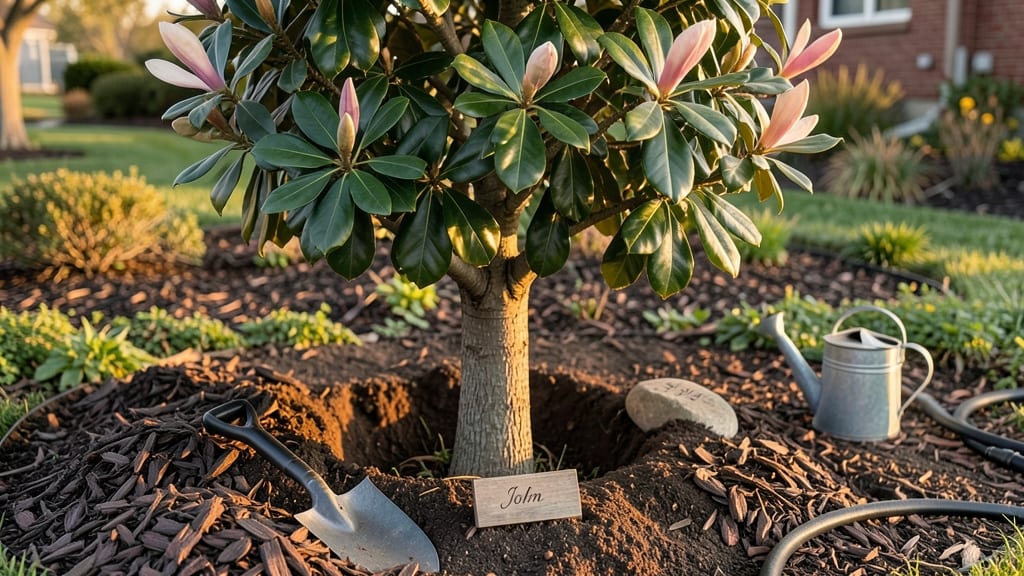
Planting a tree in memory of a pet turns grief into something green and growing. 🌳 I still remember the first time I held my golden retriever's leash—now that spot in my backyard holds a weeping willow, its branches swaying like she used to when she ran ahead on walks.
This isn't just landscaping; it's creating a living monument where sunlight and roots honor what we've lost.
The right tree makes all the difference—low-maintenance species like dogwoods, magnolias, or serviceberries thrive with minimal fuss while offering seasonal beauty. Pair it with a simple stone marker or engraved plaque (I used a smooth river rock with her name), and suddenly the garden feels like a quiet conversation.
Companion plants like lavender or hostas add texture, framing the tree like a natural border.
By next spring, you'll watch new leaves unfurl as if reaching for the sky—proof that love lingers in the earth. The tree grows stronger each year, just like the memories.
This isn't about perfection; it's about intention. Even in small spaces, a single tree planted with care becomes a sanctuary where visitors pause to remember.
Start with soil prep—amend with compost for strong roots—and choose a spot where sunlight matches the tree's needs. Add mulch to conserve moisture, and you've created a tribute that lasts decades.
The hardest part? Deciding which tree to plant. The rest is just time, patience, and the quiet joy of watching life grow where it matters most.
📚 In This Guide
- What you need
- Instructions
- Tips and common mistakes
- Wrapping up and next steps
What you need
- ● Tree or plant: Choose a native species (e.g., oak, maple, or dogwood) for longevity. Quantity: 1–3 trees, depending on your design.
- ● Shovel: A sturdy 18–24-inch digging spade for planting holes.
- ● Garden gloves: A pair to protect your hands from dirt and thorns.
- ● Mulch: 2–3 cubic feet of organic mulch (e.g., wood chips or straw) to retain moisture.
- ● Watering can or hose: With a gentle spray nozzle for post-planting care.
- ○ Fertilizer (optional): Slow-release, pet-safe organic fertilizer (e.g., compost or bone meal).
- ● Personalized plaque or engraved stone: To display your pet’s name and a short message.
- ● Garden decor: Wind chimes, solar lights, or a small bench for a cozy touch.
- ● Soil test kit: To check pH and nutrient levels for optimal growth.
- ● Plant markers: Wooden or metal tags to label your memorial tree(s).
- ● Check local regulations for planting permits or restrictions.
- ● Select a sunny or partially shaded spot with well-draining soil.
- ● Gather inspiration: Sketch your design or browse memorial garden ideas.
Step-by-Step instructions for planting a memorial tree for your pet
Here's how to create a meaningful, lasting tribute that honors your pet's memory while bringing beauty to your landscape.
🪴 Step 1: Choose the Right Tree and Location
Select a tree that matches your pet's personality and your climate. Smaller varieties like Japanese maple or dwarf fruit trees work well for yards, while weeping willows or dogwoods make powerful statements. I always pick a spot with 6+ hours of sunlight and space for the tree to grow—check the mature size on the tag.
Consider your pet's favorite resting place or a spot where you'll visit often. Dig a hole twice as wide as the root ball but no deeper—this prevents root suffocation. Call your local utility company first to mark underground lines; I've seen too many close calls from forgotten pipes.
🌱 Step 2: Prepare the Hole and Tree for Planting
Loosen the roots gently if they're circling the root ball—this encourages outward growth. Mix the native soil you removed with a handful of compost (about 1/4 cup per square foot) to give your tree a nutrient boost. Place the tree in the hole so the top of the root ball sits 1-2 inches above ground level—this prevents rot when it rains.
Fill the hole with soil, tamping down lightly every 6 inches to remove air pockets. Don't pack it too firmly—roots need room to spread. Water the tree deeply right after planting to settle the soil. You'll see the ground settle slightly as water absorbs.
☀️ Step 3: Create a Memorial Garden Around the Tree
Add personal touches to make the space special. Plant pet-friendly flowers like marigolds or lavender around the base—avoid anything toxic to animals. I like to include a small stone marker with your pet's name and dates, or a miniature statue that reflects their personality.
Mulch the area with 2-3 inches of organic mulch (like wood chips) in a 3-foot diameter circle, keeping it 6 inches away from the trunk. This conserves moisture and suppresses weeds. Water the entire area thoroughly after planting to help the roots establish.
💧 Step 4: Establish a Watering and Care Routine
Water the tree deeply once a week for the first year, giving it about 10-15 gallons per watering. Check the soil 2 inches below the surface—if it's dry, it's time to water. Overwatering is just as harmful as underwatering, so let the top inch dry out between waterings.
Fertilize lightly in the first year—just a slow-release granular fertilizer applied in early spring. Avoid heavy pruning for the first two years; let the tree focus on root growth. You'll know it's thriving when new leaves appear in spring and the bark stays smooth and healthy.
⏰ Step 5: Maintain the Memorial Over Time
Visit your tree regularly to water, prune, and reflect. In the first few years, the tree will need more frequent watering as its roots spread. After that, it should establish itself well enough to handle normal rainfall. I like to keep a small journal by the tree to write notes about my pet and share stories with visitors.
Every year on your pet's birthday or anniversary, add a new flower or plant to the memorial garden. This keeps the space alive and growing, just like your memories. With care, your tree will stand as a living tribute for decades to come.
Tips & tricks for planting a meaningful pet memorial tree
Creating a lasting tribute takes more than just planting—these thoughtful details make all the difference in honoring your pet's memory.
Tree Selection Tip: Consider your pet's personality when choosing a tree variety. A graceful weeping willow might suit a gentle dog, while a vibrant Japanese maple could honor an energetic cat. I always check the mature size on the tag to ensure it won't outgrow the space in 10 years—nothing saddens me more than watching a beautiful tree get crowded out.
Planting Depth Secret: The instructions mention placing the root ball 1-2 inches above ground level, and this is critical. Too low causes rot, while too high stresses the tree. I like to use a level tool to check the depth after backfilling—this ensures the tree sits perfectly straight and at the right height.
Memorial Garden Touch: For the personal touches in Step 3, consider adding a small metal plaque with your pet's paw print or a favorite saying. I've seen people use engraved stones shaped like paw prints or even tiny dog bones as subtle but meaningful decorations. These details turn a simple planting into a true memorial space.
Watering Wisdom: The deep watering routine in Step 4 is essential, but I've learned that timing matters too. Water in the morning so the roots absorb moisture before the heat of the day. I also recommend using a soaker hose for the first few weeks—it delivers water directly to the roots without disturbing the soil surface.
Pro Tips for Plant A Tree In Memory Of A Pet
- Creating a lasting tribute takes more than just planting—these thoughtful details make all the difference in honoring your pet's memory.
- Tree Selection Tip: Consider your pet's personality when choosing a tree variety.
- Planting Depth Secret: The instructions mention placing the root ball 1-2 inches above ground level, and this is critical.
Frequently asked questions
Got questions about planting a tree to honor your beloved pet? Here are some of the most common ones—and their answers—to help you create a meaningful tribute garden.
What’s the best type of tree to plant in memory of a pet?
Choose a tree that thrives in your climate and symbolizes your pet’s spirit. Fast-growing, low-maintenance options like dogwoods or magnolias work well, while fruit trees (like apple or cherry) add a personal touch. Avoid invasive species—opt for native plants to support local ecosystems.
When is the best time to plant a memorial tree?
Plant in early spring or fall when temperatures are mild, and rainfall is consistent. Avoid extreme heat or frost, which can stress young trees. If planting in summer, water deeply 2–3 times a week to help it establish roots.
Can I plant a tree in a pot or container instead of the ground?
Yes! If space is limited, use a large, durable pot (at least 18–24 inches wide) with drainage holes. Choose a slow-growing tree like a dwarf citrus or bonsai for long-term care. Just remember: container trees need regular watering and fertilizing to thrive.
What if my tree doesn’t survive? Can I replace it?
Many memorial gardens evolve over time. If a tree fails, consider adding perennials, shrubs, or a bench with a plaque instead. The key is to create a space that feels meaningful to you—even if the original tree doesn’t take root.
How can I make the memorial more personal?
Add a custom plaque with your pet’s name, a short message, or paw-print art. Plant pet-friendly flowers (like marigolds or sunflowers) nearby or include a small statue or wind chime. Lighting (solar-powered path lights) can also add a soothing glow at night.
Wrapping up and next steps
Planting a tree in memory of your beloved pet is more than just a gesture—it’s a lasting tribute that honors their love and legacy.
Whether you choose a native species, a meaningful location, or a personalized touch like a plaque, every detail reflects the bond you shared. Now, take that first step: research local tree options, gather your tools, and find a spot where your pet’s memory can grow alongside nature. 🌱❤️
Your pet’s spirit will live on in the rustling leaves and flourishing branches—one seed at a time.