
Planting
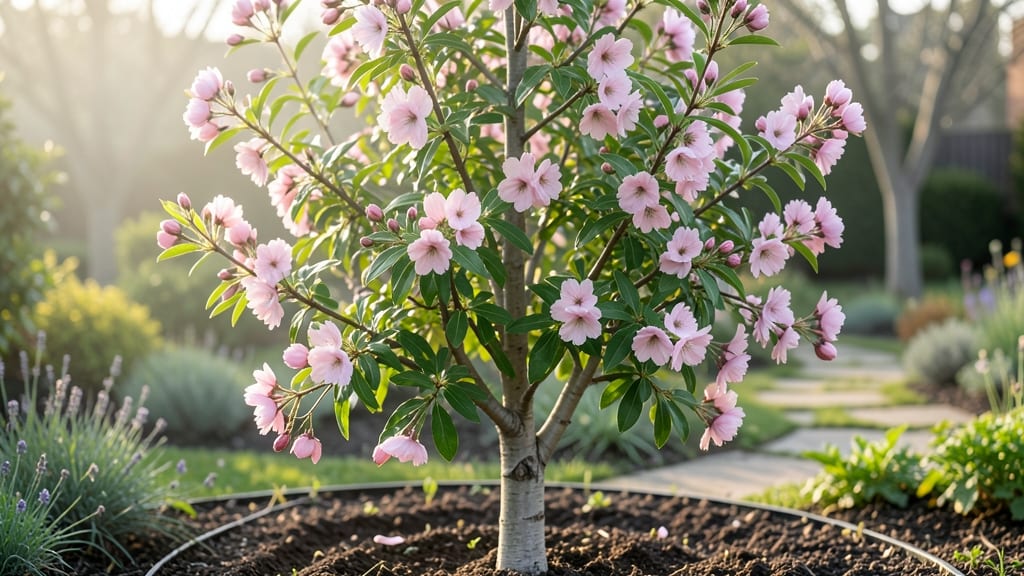
Growing a pink almond plant means waking up to sweet-scented blooms and harvesting edible nuts—all from the same tree. ✨ I’ve nurtured my own for years, and the secret lies in mimicking its natural tropical or temperate habitat with just a few key adjustments.
The right soil, sunlight, and patience turn this striking plant into a showstopper that doubles as a pantry staple.
You’ll need well-draining soil (think sand or gravel mixed in), a spot with 6+ hours of sunlight daily, and regular watering—though too much moisture is the fastest way to kill it.
Deciduous varieties like Prunus need winter dormancy, while tropical Plumeria stays evergreen year-round. The payoff? Fragrant pink flowers in spring, followed by nutty harvests in fall.
Prune after flowering to encourage bushier growth, and watch for aphids or fungal spots—both love damp leaves. With the right care, your plant will reward you with vibrant blooms for decades, and yes, those almond-like fruits are edible (though bitter raw).
The first harvest feels like magic after just a season of patience.
Works in containers or in-ground, from coastal climates to inland gardens—just adjust watering for heatwaves or cold snaps. Here’s how to keep yours thriving without the guesswork.
📚 In This Guide
- What you need
- Instructions
- Tips and common mistakes
- Wrapping up and next steps
What you need
- ● Pink almond seeds or saplings: 1–3 (ensure they’re from a reputable nursery for best results).
- ● Well-draining potting mix: 5–10 gallons (or a blend of 60% topsoil, 30% sand, and 10% compost).
- ● Container or garden bed: For containers: A 15–20 gallon pot with drainage holes (if growing in pots).
- ● For outdoor planting: A sunny spot with at least 6–8 hours of sunlight daily and space for the tree to grow 15–20 feet tall.
- ● Slow-release fertilizer: Balanced 10-10-10 or citrus-specific fertilizer (follow package instructions).
- ● Mulch: 2–3 inches of organic mulch (e.g., wood chips or straw) to retain moisture.
- ● Garden trowel or shovel (for transplanting).
- ● Watering can or hose with a gentle spray nozzle.
- ● Pruning shears (for shaping and maintenance).
- ○ pH testing kit (optional but helpful—ideal soil pH: 6.0–7.0).
- ● Glove (to protect hands while handling soil or sharp tools).
- ● Climate: Grow in USDA Zones 5–9 (pink almonds thrive in warm, dry climates).
- ● Water access: Consistent moisture during the first year, then drought-tolerant once established.
- ● Patience: Trees take 3–5 years to bear fruit (but the fragrant pink blossoms arrive sooner!).
- ● Pollination help: Plant a second almond variety nearby (e.g., 'Nonpareil') for cross-pollination if growing for nuts.
Step-by-step guide to cultivating a thriving pink almond plant
Here's how to coax fragrant pink blossoms and nutty harvests from this stunning ornamental tree.
🌱 Step 1: Select and Prepare the Planting Site
The pink almond (Prunus dulcis 'Pink Diamond') thrives in full sun with at least 6-8 hours of direct light daily. Choose a location with well-draining soil—this plant despises soggy roots. If your native soil is heavy clay, amend it with 3-4 inches of compost mixed into the top 12 inches of soil to improve aeration.
Test your site's drainage by digging a 12-inch hole and filling it with water. If it drains slower than 1 hour, raise the planting area by mounding soil or creating a 1-foot-high berm. The ideal spot balances warmth (sheltered from cold winds) and airflow to prevent fungal diseases that plague young trees.
🌿 Step 2: Plant at the Right Depth and Stake for Stability
Dig a hole twice as wide as the root ball but only as deep—the top of the root ball should sit 1 inch above ground level when planted. This prevents water from pooling around the trunk and causing rot. Gently loosen the roots if they're circling tightly in the container, then place the tree in the hole.
Backfill with native soil, pressing firmly around the edges to eliminate air pockets. Install a 4-foot tall stake positioned 3-4 inches from the trunk (never touching it) to prevent wind rock. Secure with two crisscrossed straps—tight enough to stabilize but loose enough to allow trunk growth. Water deeply to settle the soil and remove any air gaps.
☀️ Step 3: Establish a Watering and Fertilizing Routine
Water deeply every 3-4 days during the first growing season, soaking the soil to 12 inches deep. You'll know you've watered enough when the top 6 inches of soil feel uniformly moist—not soggy, not dry. After the first year, reduce to once weekly unless your region experiences drought conditions or extreme heat.
Apply a balanced 10-10-10 fertilizer at half-strength in early spring (when new leaves emerge) and again in mid-summer. Avoid high-nitrogen fertilizers—they promote leafy growth at the expense of flowers and nuts. Instead, focus on phosphorus and potassium to encourage blooming and fruiting. Mulch with 3 inches of wood chips around the base (keep it 6 inches away from the trunk) to retain moisture and suppress weeds.
✂️ Step 4: Prune for Shape and Health
Prune in late winter or early spring before new growth begins. Remove dead, diseased, or crossing branches first—these compete for resources and invite pests. Then shape the tree by cutting back overly long branches to open the center for better airflow and sunlight penetration.
Never remove more than 25% of the canopy in a single season. The pink almond responds well to light pruning—focus on thinning out crowded branches rather than shearing. After pruning, apply wound dressing (a mix of equal parts pruning sealant and water) to all cuts larger than ½ inch to prevent bacterial infections.
🪴 Step 5: Protect and Encourage Flowering
Pink almonds are self-pollinating but benefit from early spring cross-pollination with another almond variety if possible. To boost flowering, ensure the tree receives full sun and consistent moisture during bud formation (typically late winter). Avoid heavy applications of nitrogen fertilizer—this shifts energy toward leaves instead of blossoms.
Watch for aphids or scale insects on new growth, which can distort buds and reduce flowering. Treat infestations immediately with neem oil (mix 1 tablespoon per gallon of water) and apply in early morning to avoid harming beneficial insects. Once flowers appear, avoid overhead watering—wet blossoms attract fungal spores that cause blossom blight, a common issue in humid climates.
Tips & tricks for perfect pink almond plant cultivation
Here's what I've learned from years of growing these stunning trees—tricks that'll help you avoid common pitfalls and maximize those fragrant pink blossoms.
Location is Everything: That 6-8 hours of direct sun requirement isn't just about light—it's about warmth. I've seen pink almonds struggle in spots that get morning sun but afternoon shade. If your yard has partial shade, consider planting near a south-facing wall where reflected heat extends the sunlight. Also, watch for microclimates—trees in low spots may get more frost damage. A slight elevation (even just a few inches) can make all the difference in your zone's coldest months.
Root Ball Prep Matters: Before planting, soak the root ball in water for 15-20 minutes to hydrate the roots thoroughly. This helps them establish faster and reduces transplant shock. I also make it a point to score the bottom of the root ball with a knife if it looks tightly bound—this encourages new root growth into the surrounding soil. Just be careful not to cut too deeply into the trunk.
Staking Strategy: That 4-foot stake should be installed at a 30-degree angle rather than straight up. This creates a more natural support system that mimics wind movement. I've seen trees with vertical stakes develop weak trunks that snap in storms. Also, use soft fabric strips instead of wire—wire cuts into the bark as the tree grows. The straps should be snug enough to prevent swaying but loose enough to allow the trunk to thicken naturally over time.
Fertilizer Timing is Critical: When applying that half-strength 10-10-10 fertilizer in early spring, I recommend splitting the application into two doses—give half when you see the first signs of bud swell (usually 2-3 weeks before leaves emerge) and the second half when the buds actually open. This two-step approach prevents over-fertilization that can burn tender new growth. For mid-summer application, time it with your first watering of the season to help distribute nutrients evenly.
Pro Tips for Pink Almond Plant
- Here's what I've learned from years of growing these stunning trees—tricks that'll help you avoid common pitfalls and maximize those fragrant pink blossoms.
- Location is Everything: That 6-8 hours of direct sun requirement isn't just about light—it's about warmth.
- Root Ball Prep Matters: Before planting, soak the root ball in water for 15-20 minutes to hydrate the roots thoroughly.
Frequently asked questions
Got questions about growing your own pink almond plant? You’re not alone! Here are some of the most common queries—plus quick, practical answers to help you nurture this stunning and productive plant with confidence.
What’s the best time of year to plant pink almond seeds?
The ideal time to plant Prunus dulcis (pink-flowering almond varieties) is in early spring, after the last frost when soil temperatures reach at least 50°F (10°C). If you’re in a warmer climate, fall planting (3-4 months before frost) also works. Pro tip: Soak seeds overnight to speed up germination!
How often should I water my pink almond plant?
Young plants need deep watering 1-2 times per week, while established trees thrive with 1 inch (2.5 cm) of water weekly. Avoid soggy soil—mulch around the base to retain moisture and prevent weeds. Drought stress can reduce flowering and nut production, so consistency is key!
Can I grow a pink almond plant in a container?
Yes! Dwarf varieties (like ‘Nonpareil’) adapt well to 15-gallon+ containers with drainage holes. Use a well-draining potting mix and repot every 2-3 years. Place in full sun (6+ hours/day) and fertilize monthly during growing season. Warning: Containers dry out faster—monitor soil moisture closely!
How do I protect my pink almond tree from cold weather?
Almonds tolerate USDA Zones 5-9, but young trees need winter care. Mulch heavily (3-4 inches) with straw or wood chips, and wrap the trunk with burlap in harsh winters. Avoid pruning late in the season—do it in late winter/early spring instead. Bonus: Evergreen windbreaks help too!
Why aren’t my pink almond flowers turning into nuts?
Common culprits include poor pollination (plant two trees for cross-pollination), inadequate sunlight, or nutrient deficiencies. Check for borers or aphids too! Boost blooms with phosphorus-rich fertilizer in early spring. Patience tip: Almond trees take 3-5 years to bear fruit!
Wrapping up and next steps
The pink almond plant is a stunning and rewarding addition to any garden, blending beauty with practicality. Whether you're drawn to its fragrant blossoms or the promise of nutty harvests, growing this versatile plant is a fulfilling journey.
With the right care and patience, you’ll enjoy its charm year after year—why not take the first step today?
Ready to bring this botanical gem into your space? Start by gathering your supplies and follow the steps outlined above. Happy planting! 🌱✨