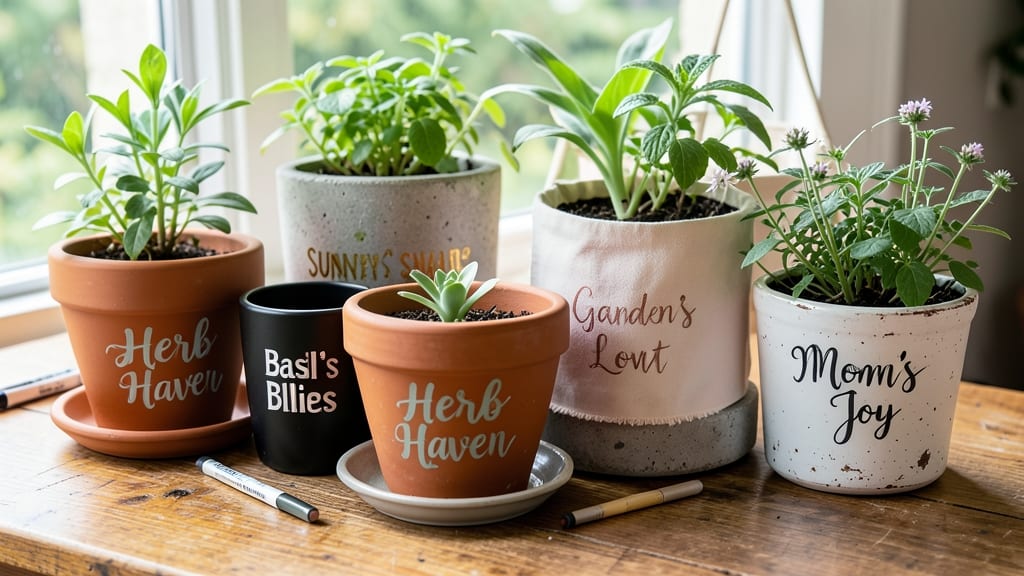
Buying guide: how to choose the right personalized plant pots
1. Material Durability and Weather Resistance 🛡️
Not all materials hold up to the elements—or your plants’ needs. Ceramic and glazed pots are the gold standard for outdoor use, resisting cracks and fading, while terracotta offers breathability but can dry out faster. Plastic is lightweight and budget-friendly but may scratch or degrade in direct sunlight.
If you’re investing in personalized metal pots, look for galvanized steel for rust resistance. Counter-intuitively, 3D-printed resin pots can be surprisingly durable if sealed properly, but they may not handle freeze-thaw cycles well. For indoor plants, plastic or lightweight ceramic suffice, but outdoor setups demand heavier, weatherproof materials.
2. Customization Options (Engraving, Painting, 3D Design) ✨
The beauty of personalized pots lies in their uniqueness, but not all customization methods are created equal. Laser-engraved ceramic or metal delivers crisp, long-lasting designs that won’t chip or fade, making them ideal for gifts or heirloom pieces. Hand-painted terracotta offers a rustic charm but may require touch-ups over time.
For ultra-personalized designs, 3D-printed pots let you create intricate shapes or even plant-specific holders (like a pot shaped like your cat!). If you’re crafty, DIY painting or stenciling on plain pots can save money—but seal the paint to prevent moisture damage.
Pro tip: Avoid overly intricate designs on small pots, as they can block drainage holes.
3. Functionality (Drainage, Self-Watering, Modularity) ⚡
Even the most stunning pot won’t help your plants thrive if it lacks proper drainage. Most terracotta and ceramic pots have built-in drainage, but plastic pots often require pre-drilling holes. Self-watering bases (common in mid-range ceramic pots) are a game-changer for busy plant parents, reducing maintenance.
For modular or stackable pots, look for interlocking designs—great for small spaces or vertical gardens. If you’re growing succulents or herbs, prioritize pots with multiple drainage holes to prevent root rot. A surprising tip: Some metal pots come with built-in watering spouts, making them convenient for outdoor setups.
4. Aesthetic Match with Your Garden or Home Decor 🎨
Personalization isn’t just about the pot—it’s about how it fits into your space. Monochromatic ceramic pots blend seamlessly with modern interiors, while rustic terracotta or metal pots complement farmhouse or cottage gardens. For urban jungles, consider geometric or glossy finishes that reflect light.
If you love themed gardens, match your pots to your palette—think pastel pots for a Mediterranean vibe or bold colors for a tropical feel. Don’t overlook size harmony: Pair larger pots with statement plants (like fiddle-leaf figs) and smaller pots with delicate succulents.
And if you’re gifting, neutral or nature-inspired designs (like leaf motifs) appeal to the broadest audience.
Frequently asked questions
Q: Can I use personalized plant pots for both indoor and outdoor plants?
1
Yes, but it depends on the material.
Ceramic and glazed pots are excellent for both indoor and outdoor use due to their weather resistance, while terracotta is best for outdoor plants that thrive in well-drained soil. Plastic pots are lightweight and ideal for indoor use, but they may not hold up well in harsh outdoor conditions. For outdoor setups, always choose pots with glazed finishes or galvanized metal to prevent cracking or rusting. If you’re unsure, opt for mid-range ceramic pots—they’re versatile and durable for most environments.
Q: How do I clean and maintain personalized plant pots to keep them looking new?
Cleaning depends on the material: Ceramic and glazed pots can be washed with mild soap and warm water, while metal pots may need a vinegar rinse to prevent rust. For hand-painted terracotta, avoid soaking—wipe gently with a damp cloth to preserve the paint. Plastic pots are the easiest to clean but can scratch, so use a soft sponge. To maintain custom designs, avoid abrasive cleaners. A pro tip: Seal painted or engraved pots with a clear acrylic sealer every few months to protect them from moisture and wear.
Q: Will personalized pots affect plant growth or drainage?
Not if they’re designed properly! Most personalized pots come with pre-drilled drainage holes, but always check before purchasing. If you’re DIY-ing, ensure holes are large enough to prevent root rot. Heavy materials like ceramic or metal can retain moisture longer, so pair them with moisture-loving plants like ferns or calatheas. For succulents or cacti, lighter materials like plastic or terracotta are ideal. Self-watering bases (common in mid-range ceramic pots) reduce overwatering risks, making them great for busy plant parents.
Q: Are there budget-friendly alternatives to high-end personalized pots?
2
Absolutely!
If you love the look of personalized pots but want to save money, try hand-painted terracotta sets (budget-friendly and rustic) or laser-etched plastic pots (affordable and lightweight). For DIY enthusiasts, plain ceramic or terracotta pots can be customized with acrylic paint or stencils—just seal them with a waterproof varnish. Another hack: Use decorative saucers or pebbles to hide plain pots while adding a personalized touch. These options let you achieve a similar aesthetic without the premium price tag.
Q: How long do personalized plant pots typically last?
Durability varies by material: Ceramic and metal pots can last 5-10 years with proper care, while plastic pots may degrade in 2-5 years due to sunlight exposure. Terracotta lasts 3-7 years, depending on weather conditions. To extend their lifespan, avoid extreme temperature changes (like freezing terracotta) and store them indoors during harsh winters. 3D-printed resin pots can last 3-5 years if sealed and kept away from direct sunlight. Investing in high-quality materials pays off long-term for both aesthetics and plant health.
Q: Can I customize pots myself, or should I buy pre-personalized ones?
Both work! Pre-personalized pots (like laser-engraved ceramic or metal) offer professional, long-lasting designs with minimal effort. For a DIY approach, plain ceramic, terracotta, or plastic pots can be customized with acrylic paint, vinyl decals, or stencils. If you’re crafty, hand-painted designs add a unique touch, but seal them to prevent moisture damage. For complex designs, consider 3D-printed pots—they let you create intricate shapes but require more upfront investment. Choose based on your skill level and time commitment!
Q: What’s the best personalized pot for gifting?
For gifting, laser-engraved ceramic or metal pots are the safest bets—they’re durable, elegant, and long-lasting. Opt for neutral or nature-inspired designs (like monograms or leaf motifs) to appeal to a wide audience. Self-watering ceramic pots are a thoughtful choice for plant lovers, as they reduce maintenance. Avoid overly intricate designs that might block drainage holes. If you’re on a budget, hand-painted terracotta sets or laser-etched plastic pots make charming, affordable gifts. Always include care instructions to ensure the recipient’s plants thrive!