
Planting
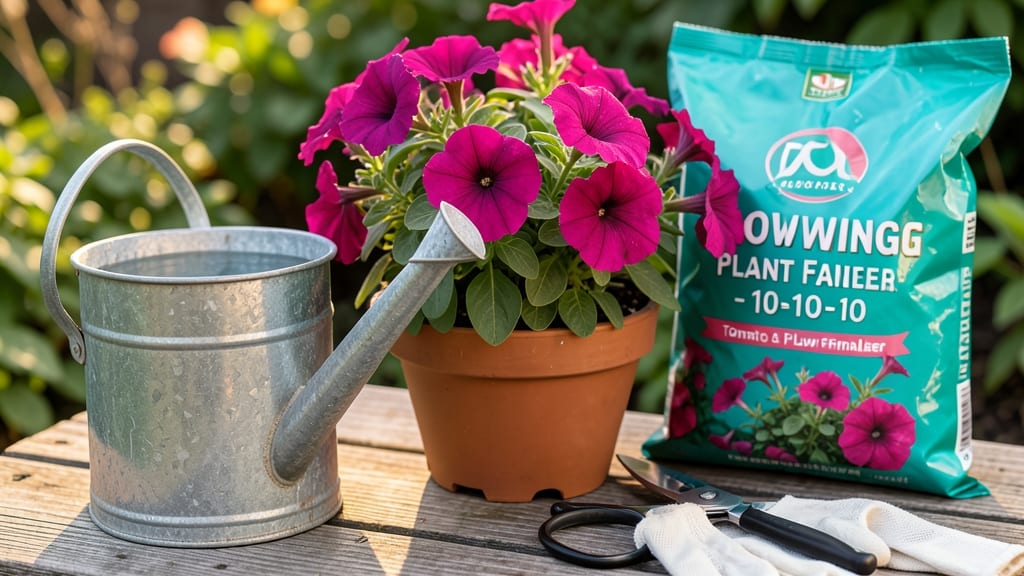
Petunia plant care instructions boil down to three things: sun, water, and deadheading—and once you master these, you’ll have blooms so lush they’ll make your neighbors ask for cuttings. 🌸 I’ve grown petunias in everything from hanging baskets to full sun borders, and the secret to their effortless beauty lies in consistency, not complexity.
These plants thrive on neglect almost as much as they do on attention, which is why they’re perfect for busy gardeners who still want a showstopper display.
The right conditions turn petunias into blooming machines: 6+ hours of direct sun daily, well-draining soil (mix in perlite or sand if yours is heavy), and water that keeps the roots moist but never soggy. Stick your finger an inch into the soil—if it’s dry, it’s time to water.
Overwatering is the #1 way to kill petunias faster than powdery mildew can spread, and trust me, you don’t want to see that white dust on your perfect petals.
Here’s the game-changer: prune spent blooms religiously. Snip off faded flowers at the base with clean scissors, and you’ll trigger a wave of new blooms within 7-10 days.
Feed them every 2-3 weeks with a balanced liquid fertilizer (10-10-10 works), and watch them reward you with nonstop color from spring until frost. The payoff? Petunias that look like they cost $20 a pot instead of the $3 you paid at the nursery.
Advanced gardeners can push them further: try succession planting for year-round blooms, or experiment with black petunias for high-contrast drama. But even beginners will nail this—petunias are forgiving, fast-growing, and impossible to kill if you remember: sun, water, and deadhead.
Now go make your porch the envy of the block.
📚 In This Guide
- What you need
- Instructions
- Tips and common mistakes
- Wrapping up and next steps
What you need
- ● Petunia seeds or seedlings: Choose disease-resistant varieties like 'Wave,' 'Supertunia,' or 'Mitchell' for vibrant blooms. Buy 10–20 seeds or 3–5 healthy seedlings per pot.
- ● Well-draining potting mix: A high-quality blend with perlite or vermiculite (e.g., Miracle-Gro Potting Mix). Avoid garden soil—it compacts too easily! Use 1–2 gallons per container.
- ● Containers: Pots (6–12 inches in diameter) or garden beds with drainage holes. For hanging baskets, opt for 10–12 inches wide.
- ● Fertilizer: Balanced liquid fertilizer (10-10-10 or 20-20-20): Dilute to half-strength and apply every 2 weeks during blooming season.
- ○ Slow-release granules (optional): Mix 1 tbsp per gallon of soil at planting time for steady nutrition.
- ● Watering can or hose with a gentle spray nozzle: Petunias hate soggy roots—aim for 1 inch of water per week (adjust for heat/drought).
- ● Pruning shears or clean scissors: Sharp tools prevent damage. Sanitize with rubbing alcohol between cuts.
- ● Mulch (e.g., pine bark or straw): Retains moisture and keeps roots cool. Sprinkle 1–2 inches around plants (avoid piling against stems).
- ● Epsom salt: Boosts magnesium for greener leaves. Dissolve 1 tbsp in 1 gallon of water and apply monthly.
- ● Cage or support structure: For trailing varieties like 'Wave Petunias', use a 5–6 inch tall wire cage or trellis.
- ● Plant food spikes (e.g., Osmocote): Convenient for slow-release feeding—insert 1–2 spikes per pot at planting.
- ● Fungicide (preventative): Like Neem Oil or copper fungicide to combat powdery mildew in humid climates.
- ● Sunlight: Petunias thrive in 6–8 hours of full sun daily. Partial shade (3–6 hours) works in hot climates.
- ● Temperature: Ideal range: 60–75°F (15–24°C). Protect from frost (<32°F/0°C).
- ● Humidity: Average household humidity is fine; avoid damp, enclosed spaces to prevent rot.
- ● Patience: Seedlings take 8–12 weeks to bloom—stay consistent with care!
Step-by-Step petunia plant care for long-lasting color
Petunias reward minimal effort with nonstop blooms—here's how to keep them thriving with just a few key actions.
💧 Step 1: Water Deeply at the Base, Never the Leaves
Water your petunias early in the morning when the soil is still cool, using 1-2 gallons per plant depending on pot size. The key is deep watering—push your finger 1-2 inches into the soil. If it feels dry, water until moisture reaches 3-4 inches deep. Shallow watering encourages weak roots and attracts fungal diseases.
Use a watering can with a rose attachment to direct the stream at the soil base. Avoid overhead watering—wet foliage in hot sun creates perfect conditions for powdery mildew. You'll know you're doing it right when the soil feels evenly moist but not soggy, and the top ½ inch dries slightly between waterings.
☀️ Step 2: Provide Bright, Indirect Light for Peak Blooming
Petunias crave 6+ hours of direct sunlight daily, but afternoon sun can scorch delicate petals. Place them in a spot with morning sun and afternoon shade if temperatures exceed 85°F. A south-facing window or east-west balcony works perfectly for container petunias.
If your plants start looking leggy (long stems with sparse flowers), they're stretching for light. Rotate the pots quarter-turn weekly to encourage even growth. You'll notice fuller, bushier plants within two weeks. For indoor petunias, supplement with a grow light positioned 12-18 inches above for 14-16 hours daily.
✂️ Step 3: Deadhead Regularly to Encourage Nonstop Blooms
Pinch off spent blooms with your fingers (no shears needed) 2-3 times weekly during peak flowering season. This simple action prevents seed formation and redirects energy to new buds. You'll see more flowers within 7-10 days of consistent deadheading.
For bushier growth, trim back overly long stems to just above a set of leaves. Use clean, sharp scissors if you prefer cutting, but avoid heavy pruning—petunias rebound best with light, frequent maintenance. After trimming, give the plants a light watering to reduce stress on the system.
🌿 Step 4: Feed Weekly During Blooming Season
Use a balanced liquid fertilizer (10-10-10 or 20-20-20) diluted to half-strength every 7-10 days from spring through fall. Petunias are heavy feeders, especially when blooming continuously. Apply fertilizer after watering to prevent root burn—this ensures nutrients reach the roots immediately.
Look for dull foliage or slow growth as signs of nutrient deficiency. If this happens, switch to a high-phosphorus fertilizer (like 5-10-5) for two weeks to boost flowering. Always follow label instructions—over-fertilizing causes leaf burn and salt buildup in the soil, which petunias hate.
🪴 Step 5: Protect From Pests and Extreme Weather
Check leaves weekly for aphids, spider mites, or whiteflies—common petunia pests. Blast them off with a strong stream of water or spray with neem oil solution (1 tsp neem oil + 1 quart water) every 5-7 days if infested. Early intervention prevents these pests from weakening your plants.
Move containers to sheltered spots during heavy rain (petunias dislike soggy roots) and before frost (they're annuals, not cold-hardy). If nighttime temperatures drop below 50°F, cover plants with frost cloth or bring them indoors. You'll know they're stressed if leaves yellow or wilt suddenly—act fast to save them.
Tips & tricks for petunia plant care
Took me years to figure out these simple secrets—your petunias will thank you with blooms that never quit.
Soil Moisture Test: The 1-2 inches dry test is your best friend. I learned the hard way that petunias hate soggy roots, but they also won't thrive if you let the top inch dry completely. The perfect balance is when the top ½ inch feels slightly dry while moisture remains 3-4 inches deep—this mimics their natural growing conditions. Use a chopstick or clean screwdriver to check without disturbing the roots.
Light Rotation Strategy: That quarter-turn weekly rotation in Step 2 makes all the difference for even growth. I noticed my petunias developed lopsided growth until I started rotating them—now they grow bushier and more symmetrical. For indoor plants, rotate them daily since they can't move toward natural light sources. You'll see fuller plants within just two weeks of consistent rotation.
Deadheading Timing: The 2-3 times weekly deadheading in Step 3 might seem like a lot, but it's worth it. I used to deadhead only when I remembered, and my blooms would slow dramatically. Now I set a timer on my phone for every 3-4 days during peak season. The key is consistency—new buds will appear within 7-10 days of regular maintenance. For busy gardeners, focus on removing the oldest blooms first.
Fertilizer Application: Always apply that half-strength fertilizer after watering—this prevents root burn from the salt concentration. I discovered this the hard way when my petunias developed brown leaf tips after fertilizing dry soil. The rule of thumb is to water first, then fertilize, then water again lightly to rinse away any excess salts. You'll notice healthier foliage and more vibrant blooms within a week of proper application.
Pro Tips for Petunia Plant Care Instructions
- Took me years to figure out these simple secrets—your petunias will thank you with blooms that never quit.
- Soil Moisture Test: The 1-2 inches dry test is your best friend.
- Light Rotation Strategy: That quarter-turn weekly rotation in Step 2 makes all the difference for even growth.
Frequently asked questions
Got questions about keeping your petunias happy and blooming? You’re not alone!
Here are answers to the most common petunia care puzzles—from deadheading to pests—so you can enjoy those vibrant flowers with confidence.
How often should I water my petunias?
Water petunias consistently—about 1 inch per week, either from rainfall or hand-watering. Let the top inch of soil dry out between waterings to prevent root rot. Pro tip: Water at the base (not overhead) to keep leaves dry and reduce disease risk.
Do I need to deadhead petunias, and how?
Yes! Deadheading (removing spent blooms) encourages nonstop flowers. Simply pinch or snip off faded blooms with clean scissors or fingers. Bonus: Check for buds hiding behind leaves—remove those too to redirect energy.
What are common petunia pests, and how do I treat them?
Watch for aphids, spider mites, or whiteflies. Spray infested areas with neem oil or insecticidal soap. For severe cases, introduce ladybugs (natural predators!). Prevent pests: Space plants for airflow and remove debris.
Can petunias survive winter, or should I replant yearly?
Most petunias are annuals and die in frost. However, Petunia x hybrida (like ‘Wave’ varieties) may return if protected with mulch in mild climates. For a fresh start, replant seeds or seedlings in spring.
Why aren’t my petunias blooming much?
Lack of blooms often signals too much nitrogen (focus on phosphorus-rich fertilizer) or overcrowding. Ensure 6–12 hours of sunlight daily and prune leggy stems. Fun fact: Pinching back new growth can trigger bushier, flower-heavy plants!
Can I grow petunias in containers or hanging baskets?
Petunias thrive in containers—choose pots with drainage holes and use a lightweight potting mix. For hanging baskets, trail varieties like ‘Supertunia’ shine. Watering hack: Check soil moisture daily in pots—they dry out faster!
How do I protect petunias from extreme heat or cold?
In heat: Provide afternoon shade and mulch to retain moisture. For cold snaps: Move potted petunias indoors or cover them with frost cloth. Hardy tip: Some varieties (like ‘Dreamies’) tolerate cooler temps better.
Wrapping up and next steps
With these petunia plant care instructions, you’re now equipped to grow vibrant, long-lasting blooms that’ll steal the show in your garden! 🌸 Remember, petunias reward consistency with stunning colors—so don’t hesitate to experiment with varieties and styles to find what thrives best in your space.
Ready to level up your gardening game?
Your next step? Grab those seeds or seedlings and get planting! Whether you’re a seasoned green thumb or a curious beginner, petunias are the perfect way to add a splash of color with minimal fuss. Happy gardening!