
Planting
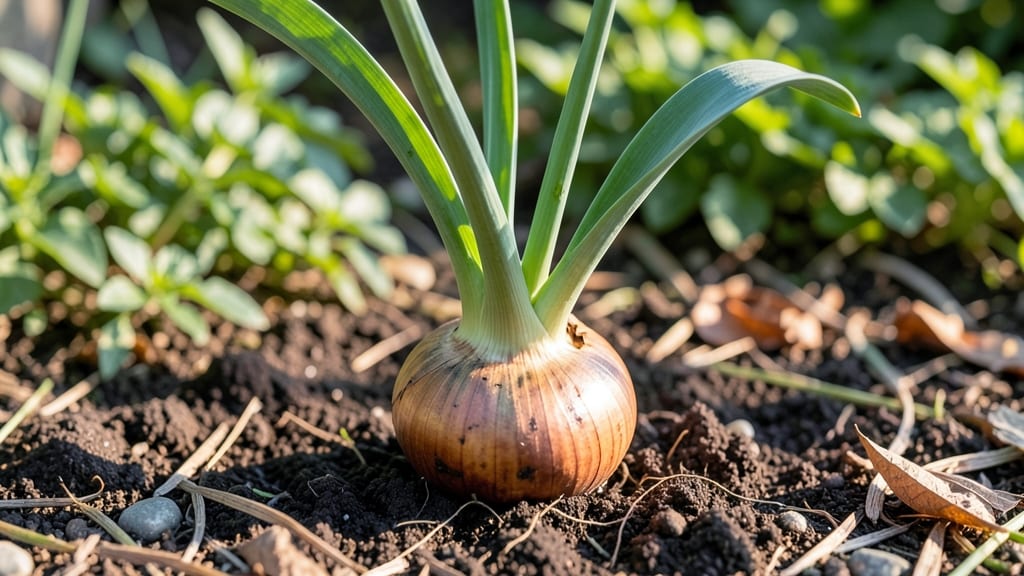
Onion sprouts inside your pantry aren’t just annoying—they’re a sign your storage game needs an upgrade. 🌱 I’ve lost count of how many onions I’ve tossed because they sprouted before I could use them, but this simple fix keeps them fresh for months instead of weeks.
The culprit? Warmth, humidity, or onions that were already pushing buds when you bought them. Store them in a cool, dry spot with good airflow—like a mesh bag in the fridge’s crisper drawer—and you’ll stop the sprouting in its tracks.
Even better, try the "neck-up" trick: hang whole onions by their stems in a dark, well-ventilated area. When sprouts do appear, don’t panic—you can still use them! Cook them whole or chop them into dishes where the flavor matters more than the texture.
If they’re past their prime, compost them instead of wasting them. This method works for garlic too, and it’s the secret to keeping your pantry organized without throwing out perfectly good onions. Let’s make your storage space work for you!
The Hidden Triggers Behind Sprouting
When you crack open an onion and find a tiny green shoot peeking out, it’s not just a surprise—it’s a sign your onion has been tricked into thinking it’s time to grow.
Onions are hardy plants that naturally respond to specific conditions, and when those signals are triggered inside your pantry or fridge, sprouting begins. Let’s break down the science behind why this happens—and how to prevent it.
Onions are alliums, a plant family that includes garlic, leeks, and chives. Like their relatives, onions produce hormones (specifically gibberellins) that regulate growth. When stored improperly, these hormones get the green light to activate, prompting the onion to send up a sprout.
- Light exposure: Even a tiny amount of sunlight (like a dim pantry bulb or fridge light) can trigger photosynthesis in the onion’s base. The plant interprets this as a signal to start growing.
- Ethylene gas: This natural plant hormone is released by fruits like apples, bananas, and tomatoes. If stored near onions, ethylene can accelerate sprouting by breaking dormancy.
- Moisture fluctuations: Onions need a balance of dryness to stay dormant. Too much humidity (or even condensation from a leaky fridge) can wake up the bulb’s growth cycle.
💡 Pro Tip: Store onions in a cool, dark, and dry place (like a mesh bag in a pantry) away from fruits and veggies that release ethylene. If you must refrigerate, use a paper bag to block light and reduce moisture buildup.
Onions are temperature-sensitive. They enter dormancy in cool conditions (around 40–50°F) but can "wake up" if exposed to warmth or freezing temps. Here’s how it plays out:
| Temperature Issue | Why It Causes Sprouting |
|---|---|
| Too warm (above 60°F) | Heat speeds up metabolism, tricking the onion into thinking spring has arrived. The bulb starts diverting energy to sprout growth instead of staying dormant. |
| Freezing temps (below 32°F) | While cold can slow sprouting, thawing and refreezing (common in uninsulated fridges) creates stress. This damage can jumpstart growth hormones as the onion repairs itself. |
🌡️ Fix It: Keep onions in a consistent 40–50°F environment. Avoid the fridge’s crisper drawer (too cold) or a sunny windowsill (too warm). A root cellar or basement is ideal!
Onions are not designed to absorb water like roots—they’re bulbs meant to store nutrients dry. When moisture creeps in, it signals the onion to activate its growth cycle. Here’s how:
- Condensation: Storing onions in sealed plastic bags or damp containers traps moisture. The bulb’s base absorbs this like a sponge, triggering sprouts within 2–4 weeks.
- High humidity: Areas like bathrooms or basements with poor airflow can create a microclimate that’s too moist for onions. The outer layers soften, and the inner bulb senses "spring rain."
- Ethylene + moisture = double trouble: If ethylene gas (from nearby produce) combines with humidity, it can double the sprouting rate.
✨ Storage Hack: Wrap onions in paper towels or place them in a well-ventilated basket to allow airflow. Never store them in the fridge’s humidity drawer—opt for the main compartment or a dry pantry.
Understanding these triggers is the first step to keeping your onions fresh and sprout-free. Next, we’ll dive into how to store them properly so you never waste another bulb to unwanted greens!
Fixing Indoor Onion Growth Issues
Now that you know why your onions are sprouting inside, let’s tackle the solutions—whether you’re dealing with premature sprouting in storage, unwanted regrowth in the kitchen, or overly aggressive indoor gardening.
Below are practical fixes tailored to the root cause, plus prevention tips to keep your onions fresh and your space clutter-free.
Cause: Exposure to light, warmth, or ethylene gas. Fix: Adjust storage conditions immediately.
🍳 Step 1: Move Them to a Dark, Cool Spot
- Where? A pantry, root cellar, or fridge crisper drawer (set to 40–50°F).
- Why? Onions need darkness and cool temps (40–50°F) to stay dormant.
Light triggers sprouting, and warmth speeds up decay. - Pro Tip: 💡 Use a paper bag with holes or a dark, breathable container (like a mesh bag) to block light while allowing airflow.
👨🍳 Step 2: Check for Moisture & Ethylene Sources
- Problem: High humidity or nearby ethylene-producing fruits (apples, bananas, avocados) can accelerate sprouting.
- Fix:
- Reduce humidity by placing onions in a well-ventilated area (not sealed containers).
- Keep them away from fruits/veggies that release ethylene.
- Avoid the fridge’s main compartment (too cold + ethylene risk).
⏰ Step 3: Use the "Quick-Fix" for Slightly Sprouted Onions
If only small green shoots have appeared but the onion is still firm:
- Trim the sprouts with a clean knife (just above the bulb).
- Store upside-down in a mesh bag to prevent further growth.
- Use within 1–2 weeks—they’ll last longer than fully sprouted onions.
Cause: You left onion tops or bottoms in water/soil. Fix: Reset your growing experiment—or compost it.
🔪 Step 1: Decide: Keep or Discard?
- If you want to grow them:
- Repot the green tops in well-draining soil (they’ll grow into new onions!).
- Keep bottoms in water (but change water every 2–3 days to prevent rot).
- If you just want to stop regrowth:
- Compost the scraps—don’t leave them sitting in water or damp paper towels.
🌡️ Step 2: Control Light & Temperature
- For regrowth prevention:
- Store onion scraps in the fridge (not at room temp).
- Avoid placing them near windows (light triggers regrowth).
- For intentional growing:
- Give them 6–8 hours of sunlight daily (a sunny windowsill works).
- Keep soil moist but not soggy (overwatering = rot).
Cause: You’re growing onions indoors but they’re sprouting too fast or too many. Fix: Prune, repot, or adjust your setup.
🌿 Step 1: Prune Aggressively (But Smartly)
- For green onions:
- Snip 1–2 inches above the bulb when they’re 4–6 inches tall—this encourages bushier regrowth.
- Harvest outer leaves first to keep the center growing.
- For storage onions:
- Cut off any flower stalks (scape)—this redirects energy to the bulb, not seeds.
🪴 Step 2: Adjust Your Growing Conditions
| Problem | Solution | Why It Works |
|---|---|---|
| Too much light | Move to a shadier spot (but still bright). | Prevents bolting (flowering). |
| Overcrowding | Repot in larger containers with well-draining soil. | Reduces competition for nutrients. |
| Too much water | Let soil dry slightly between waterings. | Prevents rot and fungal growth. |
| Not enough nutrients | Fertilize with balanced NPK (10-10-10) every 4–6 weeks. | Boosts bulb development. |
✨ Step 3: Prevent Future Overgrowth
- Choose the right variety:
- Short-day onions (like ‘1015Y Yellow’) grow better indoors.
- Avoid long-day varieties (they bolt quickly).
- Start with smaller bulbs (they’re easier to manage than giant storage onions).
- Harvest early if they’re growing too fast—green onions are ready in 4–6 weeks!
- 📊 Store onions separately from potatoes, garlic, and apples (they release gases that spoil onions faster).
- 🌡️ Keep them cool but not freezing—below 32°F damages their texture.
- 🎯 Use the "first in, first out" rule—plant or cook the oldest onions first.
- ✨ Try braiding or hanging dried onions (like garlic) to extend shelf life by months!
Final Thought: Whether you’re dealing with storage mishaps, kitchen regrowth, or a rebellious indoor garden, the key is control light, temperature, and moisture. With these fixes, you’ll stop wasting space and even turn "problems" into homegrown harvests! 🌱🔥
Frequently asked questions
Why do my onions start sprouting even when stored in the fridge?
Fridge light and ethylene gas from nearby fruits (like apples) trigger sprouting. Use a paper bag in the crisper drawer to block light and keep onions away from ethylene producers. The fridge's humidity can also wake up dormant growth hormones—opt for the main compartment instead.
Can I still use onions that have sprouted?
Small sprouts mean the onion is still fresh. Simply trim the green shoots and use it normally. For fully sprouted onions, chop them finely—they work great in soups, stews, or sautés where texture matters less. Just avoid storing them longer than 1–2 weeks after trimming.
How can I intentionally grow onions from the sprouts?
Place the sprouted onion base in 1 inch of water (change daily) or plant it in well-draining soil with the bulb half-buried. Keep it in bright light (6–8 hours daily) and maintain 60–70°F temps. Green onions will regrow in 2–3 weeks—harvest by cutting just above the bulb.
What's the best way to store onions long-term without sprouting?
Hang them in a cool, dark, dry place (like a basement) by braiding the stems. Ideal temps are 40–50°F with good airflow. For smaller batches, use a mesh bag in the pantry—never plastic! Avoid refrigeration longer than 2 weeks as cold damages their texture.
Why do some onions sprout faster than others?
Younger onions (smaller bulbs) and varieties like green onions sprout faster because they're less dormant. Also, onions bought in spring/summer (when plants naturally grow) may already be pushing buds. For longer storage, choose larger, firm onions with dry outer skins—they're more mature and resistant to sprouting.