
Planting
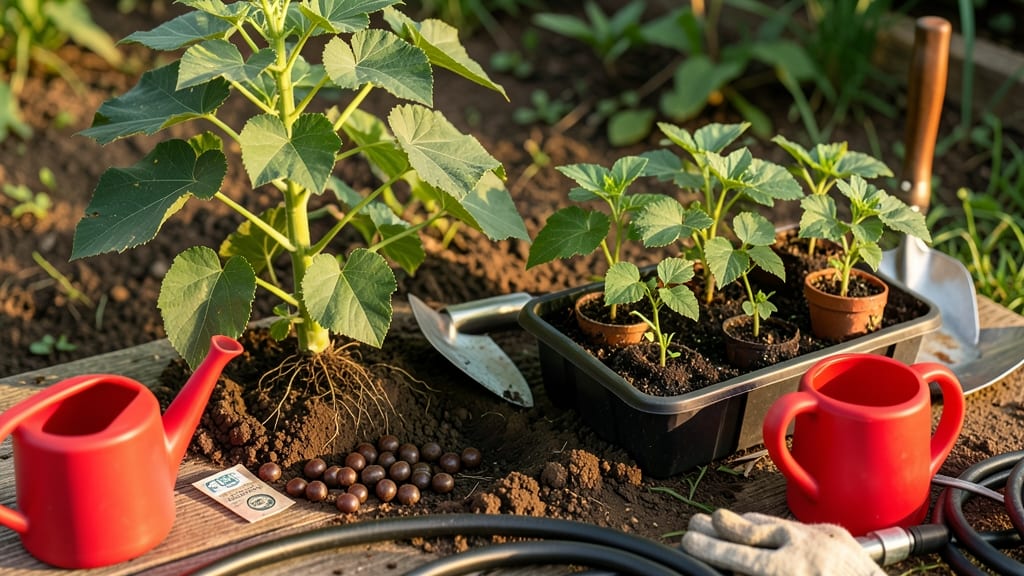
Sowing okra at the right time ensures tender, sweet pods instead of tough, bitter ones—and the key is waiting for warm soil and frost-free skies.
Okra thrives in heat, but planting it too early can leave you with stunted plants or no harvest at all. In USDA Zone 6a, that means holding off until late April or early June, when soil temperatures hit at least 60°F.
This heat-loving 🌱 grows best as an annual in cooler climates, so timing your sowing aligns with your region’s frost-free window. A little prep—like loosening soil and adding compost—gives okra the perfect start for a summer-long harvest.
Below, I’ll break down the exact planting schedule by zone, soil warmth tips, and how to stretch your harvest with succession planting—so you can enjoy fresh okra from July through October.
Optimal okra sowing time by USDA zone: when to plant for maximum yield
Okra is a heat-loving plant that demands precise planting timing to thrive. In cooler USDA zones 3-5, you’ll need to wait until late spring when soil warms to 60°F (15°C)—any earlier, and your seeds may rot.
Meanwhile, gardeners in zones 6-11 can start sowing as soon as the last frost passes, often by early April in the South. Understanding your zone’s frost-free date and soil temperature is key to avoiding bitter pods or stunted growth.
For maximum yield, align your okra sowing with peak summer heat. Early planting in zones 6-11 (March-April) risks frost damage, while late planting (June+) may produce fewer pods before fall. My sweet spot?
Plant when daytime highs consistently hit 75°F (24°C)—this ensures rapid germination and vigorous growth. Let’s break down the ideal window for each zone to help you plan.
| USDA Zone | Frost-Free Date | Soil Temp Requirement | Optimal Sowing Window | Notes |
|---|---|---|---|---|
| Zones 3-5 | Mid-May to early June | 60°F (15°C) minimum | Late May–June 15 | Use row covers for early starts; okra is annual in these zones. |
| Zones 6-7 | Early April–May 1 | 60°F (15°C) minimum | April 15–May 15 | Start indoors 4-6 weeks before last frost for head start. |
| Zones 8-9 | February–March | 65°F (18°C) ideal | March 1–April 15 | Direct sow after last frost; okra grows perennial in mild winters. |
| Zones 10-11 | Year-round (tropical) | 70°F (21°C) minimum | February–September | Plant in fall/winter for spring harvest; okra thrives as perennial. |
In zones 3-5, where frost lingers late, I recommend waiting until after Memorial Day to sow okra seeds. The soil must be warm enough to prevent seed rot—a common issue in cooler climates. Use a soil thermometer to confirm temperatures before planting.
For zones 6-7, early April sowings work if you’re in a microclimate with early warming, but most gardeners wait until May to avoid frost surprises.
Gardeners in zones 8-11 enjoy longer growing seasons, but timing still matters. In zone 10-11, where okra grows as a perennial, I plant in February for spring pods and again in August for fall harvests.
The key is maintaining consistent soil warmth—okra seeds won’t germinate below 65°F (18°C). In zone 9, I stagger plantings every 3 weeks to extend the harvest window.
One trade-off to consider is early vs. late planting. Early sowings in zones 6-7 give you a head start, but young plants may struggle with late spring frosts.
Late plantings (June+) in zones 8-11 risk reduced yields before fall frosts. My solution? Use black plastic mulch to warm soil faster and protect seedlings from temperature swings.
Okra’s heat tolerance makes it ideal for summer gardens, but don’t assume it’s frost-proof. Even in zone 10, a rare cold snap can damage mature plants.
To mitigate risks, I always plant okra near tall sun-loving companions like corn or sweet potatoes, which provide shade during heatwaves and protect against wind.
For maximum yield, aim to harvest pods when they’re 2-3 inches long. This means timing your sowing so pods mature before fall frosts in cooler zones.
In zone 5, I prioritize early-maturing varieties like ‘Clemson Spineless’ (50 days to harvest) to ensure a harvest before the first frost. In zone 11, I can grow ‘Emerald’ okra year-round with minimal care.
Pro tip: If you’re in zone 6 or cooler, consider starting seeds indoors 4-6 weeks before the last frost. This gives seedlings a jumpstart and extends your growing season. Use biodegradable pots to transplant without disturbing roots.
For direct sowing, plant seeds ½ inch deep and space them 12-18 inches apart—okra needs room to grow tall and avoid disease.
Remember, okra is not frost-tolerant, so always check your local frost dates before planting. In zones 3-5, I wait until after June 1 to sow,
How to extend okra's growing season: succession planting and heat management tips
Okra loves heat, but even in warm climates, you can stretch your harvest with smart planning. The key is succession planting—sowing seeds in staggered batches every 2-3 weeks—to ensure a continuous supply of tender pods.
This works especially well in USDA zones 3-5, where cooler springs and autumns can limit the growing window.
For gardeners in warmer zones (6-11), managing heat stress is critical. Okra can bolt prematurely in temperatures above 95°F (35°C), leading to bitter pods or stalled growth. Using shade cloth or mulching helps regulate soil temperature and moisture, keeping plants productive longer.
Here’s how to maximize your okra harvest with season-extending strategies tailored to your climate:
-
1. Staggered Sowing
Plant 3-4 batches of okra seeds 2-3 weeks apart starting 2 weeks after your last frost date. This ensures overlapping harvests and prevents a single glut of pods. -
2. Frost Protection
In zones 3-5, use row covers or cold frames for young plants until soil warms to 60°F (15°C). Okra seeds won’t germinate in cold soil, so wait for warmth to avoid wasted effort. -
3. Mulching for Heat
Apply 2-3 inches of straw or wood chips to retain moisture and cool roots during heatwaves. Dark mulch also warms soil faster in spring, speeding up germination. -
4. Shade Cloth for High Heat
In zones 7-11, use 30-50% shade cloth during peak summer (10 AM–4 PM) to prevent heat stress. Remove cloth once temperatures drop below 90°F (32°C) to maximize sunlight. -
5. Late-Season Tips
In cooler zones, sow a final batch 8-10 weeks before your first frost for a late harvest. Choose compact varieties like ‘Burgundy’ or ‘Emerald’ to save space and reduce exposure to cold.
Don’t forget to harvest regularly—okra pods grow fast, and overripe pods become tough and seedy. Pick them when they’re 2-3 inches long for the sweetest flavor. This encourages the plant to produce more pods, extending your harvest window even further.
With these techniques, you can enjoy fresh okra from early summer to early fall, even in less-than-ideal climates. Just remember: patience and planning are your best tools for a bountiful okra patch! 🌱