
Planting
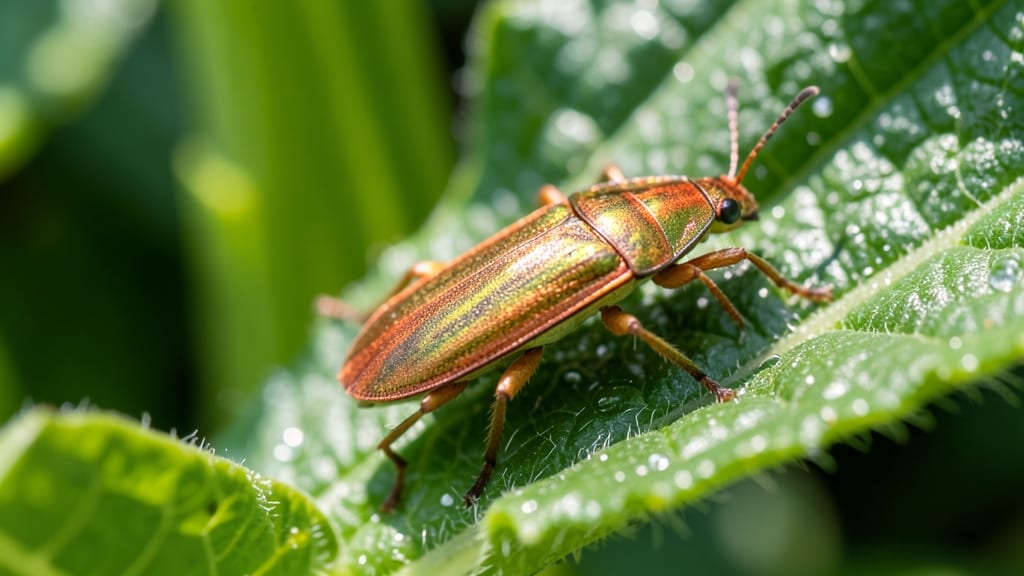
Okra bugs can turn your thriving plants into a skeleton garden overnight—pod borers chew through pods, stink bugs flatten leaves, and aphids suck the life out of new growth. 🌿 I’ve battled every one of these pests in my own garden, and I’ll show you how to stop them without toxic sprays that harm your soil and pollinators.
The real damage starts small: tiny holes in pods, yellowing leaves, or sticky residue from aphids. Left unchecked, these bugs can wipe out an entire harvest in weeks. But the good news?
Most pests respond to simple, organic interventions—like neem oil sprays, handpicking, or introducing beneficial insects—that work faster than you’d think.
By the end of this guide, you’ll know exactly which bugs to watch for, how to identify their damage, and the foolproof methods to keep your okra plants productive and pest-free. No chemicals, no guesswork—just healthy plants and a bountiful harvest.
Whether you’re dealing with a first-time infestation or a recurring problem, these strategies adapt to any garden size. Let’s get those okra pods growing strong!
Root Causes Of Okra Pests
Okra plant bugs—whether sap-sucking insects like aphids, leaf-footed bugs, or spider mites—don’t just appear out of nowhere. Their presence is usually a sign of underlying conditions in your garden that create the perfect environment for infestations.
Understanding these triggers helps you address the problem at its source, not just treat symptoms. Let’s break down the key reasons why these pests target your okra plants.
Okra thrives in well-spaced conditions with good airflow, but when plants are too close together, they become stressed and weakened.
This stress makes them more attractive to pests because: - Reduced resilience: Crowded plants compete for nutrients, water, and sunlight, making them easier targets for bugs seeking an easy meal. - Moisture buildup: Poor airflow traps humidity, creating ideal conditions for spider mites and fungal diseases that attract secondary pests. - Physical damage: Overlapping leaves provide hiding spots for bugs like leaf-footed bugs, which lay eggs in protected areas.
Actionable fix:
- Space okra plants 18–24 inches apart to improve airflow.
- Thin seedlings early to prevent competition.
- Prune lower leaves to reduce humidity and pest hiding spots.
Bugs like aphids and whiteflies are often drawn to okra plants that are nutrient-deficient, particularly lacking in nitrogen or potassium. Weak plants produce less sap, which pests find less appealing—but when stressed, they compensate by overproducing sweet, sugary sap, which attracts more insects.
- Nitrogen deficiency: Leads to pale, yellowing leaves (a sign of weakness that pests exploit).
- Potassium deficiency: Reduces the plant’s ability to fight off pests naturally.
- Compacted or poor-draining soil: Roots struggle to absorb nutrients, making plants more vulnerable.
Actionable fix:
- Test your soil (pH 6.0–6.8 is ideal for okra) and amend with compost or organic matter.
- Use a balanced fertilizer (e.g., 10-10-10) at planting and a potassium-rich supplement (like banana peel tea) mid-season.
- Avoid overwatering, which leaches nutrients and encourages root rot.
Okra plants have specific water needs, and deviations from their ideal moisture levels can invite pests.
Here’s how watering goes wrong: - Overwatering: - Soggy soil attracts fungus gnats and root maggots, which weaken plants and make them susceptible to spider mites. - Excess moisture encourages mold and mildew, which attract sap-sucking insects like aphids. - Underwatering: - Drought-stressed plants produce thicker, stickier sap, which attracts bugs like stink bugs and leaf-footed bugs. - Dry conditions also make plants more prone to spider mite infestations (they thrive in dry, dusty environments).
Actionable fix:
- Water deeply 1–2 times per week (depending on climate), aiming for 1–1.5 inches of water per week.
- Use drip irrigation or soaker hoses to keep leaves dry and prevent fungal growth.
- Mulch around plants to retain moisture and regulate soil temperature.
Nature’s pest control relies on a balanced ecosystem. When your okra garden lacks natural predators, bugs like aphids and whiteflies multiply unchecked.
Common reasons for predator shortages include: - Monoculture planting: Growing only okra (or other single crops) eliminates habitat for beneficial insects like ladybugs, lacewings, and parasitic wasps. - Pesticide use: Even "organic" sprays can kill helpful insects along with pests. - Habitat loss: Missing flowers, shrubs, or ground cover reduces shelter and food sources for predator species.
Actionable fix:
- Plant companion crops like marigolds, basil, or nasturtiums to attract predatory insects.
- Install bee houses or bird feeders to encourage natural pest control.
- Avoid broad-spectrum sprays; opt for targeted treatments (e.g., neem oil for aphids only).
Okra pests often surge during temperature fluctuations or after sudden weather changes.
For example: - Heatwaves: Dry, hot conditions stress plants and attract spider mites (they multiply faster in heat). - Rainy seasons: Excess moisture promotes fungal growth and softens plant tissues, making them easier for bugs like leaf-footed bugs to feed on. - Late-season stress: As plants prepare for harvest, they may produce more sugars, luring sap-sucking insects.
Actionable fix:
- Shade cloth can protect plants from extreme heat if your region experiences prolonged dry spells.
- Row covers (lightweight fabric) can deter flying pests during peak infestation periods.
- Monitor weather forecasts and adjust watering schedules to avoid shocking plants with sudden changes.
If you’ve grown okra (or related plants like cotton or hollyhock) in the same spot before, pest eggs or larvae may still be lurking in the soil. Many okra bugs, like stink bugs or flea beetles, overwinter in plant debris or soil, ready to reinfest new crops.
Actionable fix:
- Rotate crops annually to break pest life cycles.
- Till or solarize soil in the off-season to kill overwintering pests.
- Remove all plant debris after harvest to eliminate hiding spots.
Quick Fixes for Okra Plant Pests
Okra plants are resilient, but pests like aphids, spider mites, and stink bugs can still wreak havoc if left unchecked. The good news? You don’t need harsh chemicals to keep your garden thriving.
Below, we’ve mapped out practical, natural solutions tailored to the most common causes of okra plant stress—so you can act fast and protect your harvest.
Before diving into fixes, identify the culprit. Check for:
- Sticky residue on leaves (aphids or whiteflies)
- Tiny webs between stems (spider mites)
- Holes in leaves or chewed edges (stink bugs, beetles)
- Yellowing leaves (root damage from grubs or fungal issues)
Once you know the pest, skip to the matching solution below.
🌿 For Soft-Bodied Pests (Aphids, Whiteflies, Mealybugs)
Cause: These sap-suckers weaken plants by draining nutrients, leaving behind sticky honeydew that attracts mold. Fix:
- 🔥 Blast Them Off – Use a strong stream of water from a hose to dislodge pests from leaves (do this in the morning so plants dry quickly).
- 🍳 Soapy Water Spray – Mix 1 tsp mild castile soap or neem oil with 1 quart of water.
Spray directly on infested areas (avoid flowers to protect pollinators). Repeat every 3–4 days until gone. - 🐝 Introduce Beneficial Bugs – Ladybugs and lacewings devour aphids. Buy them online or attract them with dill, fennel, or marigolds planted nearby.
💡 Prevention Tip: Plant basil, garlic, or chives around okra—their strong scents repel soft-bodied pests naturally.
🕷️ For Spider Mites (Tiny Red/Yellow Spots + Webbing)
Cause: Dry heat and dust attract these plant vampires, causing stippled leaves and weakened growth. Fix:
- 👨🍳 Increase Humidity – Spider mites hate moisture. Mist plants daily or place a shallow tray of water near them to boost humidity.
- 🌡️ Neem Oil Treatment – Mix 1 tbsp neem oil + 1 tsp mild soap + 1 quart water.
Spray every 5–7 days until mites disappear. - 🎯 Prune & Destroy – Cut off severely infested leaves and burn or compost them (don’t add to garden waste—mites spread easily).
💡 Prevention Tip: Shake plants gently weekly to dislodge mites before they multiply. Also, avoid over-fertilizing with nitrogen—it attracts them!
🐞 For Chewing Pests (Stink Bugs, Beetles, Caterpillars)
Cause: These bugs munch on leaves and pods, leaving jagged holes and stunted growth. Fix:
- 🥘 Handpick & Drop – Wear gloves and pick off large pests (like stink bugs) into a bucket of soapy water.
- 🔪 Diatomaceous Earth (DE) – Sprinkle food-grade DE around the base of plants and on leaves.
It dehydrates insects but is safe for plants. Reapply after rain. - 🍎 Row Covers – Use fine mesh netting over young plants to block beetles and caterpillars. Remove when flowers appear for pollination.
💡 Prevention Tip: Interplant okra with tomatoes or peppers—their strong scent confuses chewing pests!
🌱 For Root & Soil-Borne Issues (Grubs, Fungal Rot)
Cause: Grubs (from Japanese beetles) or overwatered soil can lead to wilting, yellow leaves, or collapsed stems. Fix: - ⏰ Fix Grubs Early – Sprinkle beneficial nematodes (like Heterorhabditis bacteriophora) in the soil.
They kill grubs naturally in 1–2 weeks. - 💦 Adjust Watering – Okra needs 1–2 inches of water per week.
If soil stays soggy, reduce watering and improve drainage with compost or sand. - 🌿 Crop Rotation – Avoid planting okra in the same spot yearly to prevent buildup of pests/diseases.
💡 Prevention Tip: Plant okra in raised beds with coarse sand mixed into soil to deter grubs and improve drainage.
Want to minimize future problems?
Try these low-effort strategies: - 🌿 Plant Companion Crops – Okra loves peppers, onions, and marigolds (they repel pests). - 🍃 Keep Garden Clean – Remove debris and fallen leaves where pests hide. - 🕰️ Rotate Plantings – Switch okra’s location every 2–3 years to break pest cycles. - 🌱 Use Mulch – Straw or grass clippings suppress weeds (which harbor pests) and retain moisture.
Remember: Consistency is key! Check plants weekly, especially after rain or when new growth appears. With these natural, chemical-free methods, your okra will stay strong, healthy, and pest-free—ready for a bountiful harvest! 🥦✨
Frequently asked questions
What are the most common bugs that attack okra plants?
The top pests to watch for include aphids (tiny green/black bugs on leaves), stink bugs (shield-shaped with pungent odor), spider mites (red/yellow specks + webbing), and okra pod borers (larvae that tunnel through pods). Leaf-footed bugs and flea beetles also target okra leaves and stems.
How do I tell if my okra plants have bugs or just nutritional deficiencies?
Check for physical damage first: holes in leaves or pods = bugs; yellowing between veins = nutrient issues. Bug damage often appears as sticky residue (aphids), webbing (spider mites), or chewed edges (beetles). Nutrient deficiencies cause uniform discoloration (e.g., yellow leaves = nitrogen deficiency).
Can I use neem oil on okra plants with flowers or pods?
Yes, but apply it early in the morning to avoid harming pollinators. Neem oil is safe for okra pods once formed, but avoid spraying directly on flowers during peak bloom times (when bees are active). For existing pods, dilute 1 tbsp neem oil + 1 tsp soap per quart of water and spray only on infested areas.
What’s the fastest way to stop okra pod borers from destroying my harvest?
Start with handpicking larvae from pods (drop them in soapy water). Then apply diatomaceous earth around plant bases and pods. For severe cases, wrap pods in lightweight mesh bags to block adult moths. Rotate with beneficial nematodes in the soil to attack larvae underground.
Will companion planting really keep bugs away from my okra?
Plant marigolds (repel aphids), basil (deters stink bugs), or onions (confuses beetles) near your okra. These plants release scents that mask okra’s natural attractants to pests. For best results, interplant them within 1–2 feet of okra rows.