
Planting
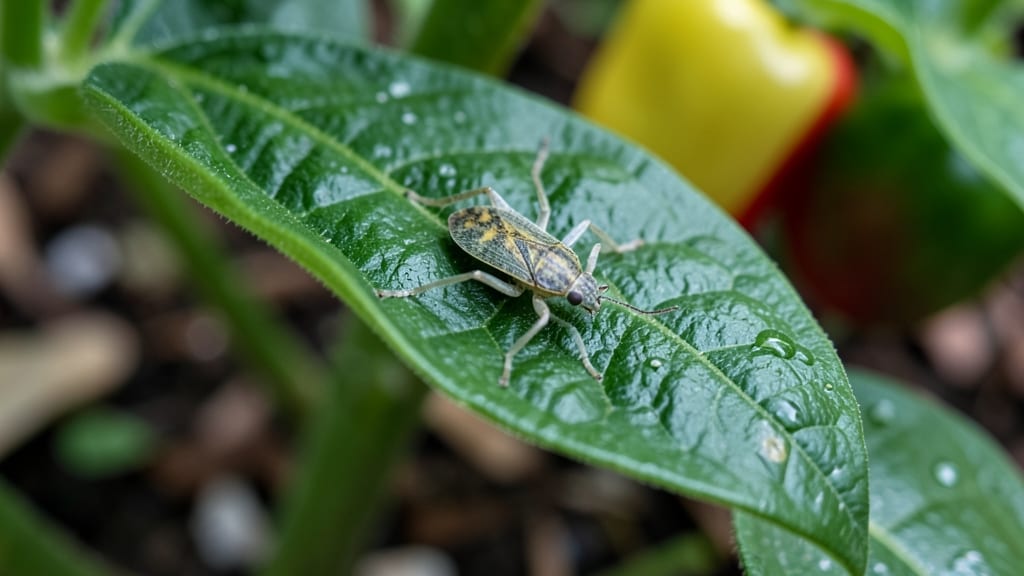
My bell pepper plant bugs looked like a buffet for tiny invaders—until I learned these 3 targeted organic sprays that stop aphids, hornworms, and spider mites in their tracks. 🌱 The key isn’t just spraying; it’s hitting the right pests with the right solution at the right time, before they skeletonize your plants.
Most gardeners panic when they see chewed leaves or sticky residue, but the real damage happens when you wait. Aphids cluster on new growth, hornworms strip plants bare overnight, and spider mites create fine webbing that stunts fruit development.
I’ve tested what works—and what doesn’t—so you don’t waste time on ineffective remedies.
By the end of this, you’ll have a foolproof spray routine that clears pests in 24-48 hours while keeping your plants healthy and productive. No more helplessly watching your harvest disappear—just targeted action that actually works.
Whether you’re dealing with a sudden outbreak or want to prevent future problems, these methods adapt to any garden size. Let’s get those peppers thriving again—without the bugs.
Root Causes Of Pepper Plant Pests
When your bell pepper plants start looking less vibrant and more like a pest buffet, it’s usually because specific conditions—often tied to the plant’s health, environment, or human habits—are signaling trouble to insects. Understanding these triggers helps you act fast before bugs turn your garden into their all-you-can-eat zone.
Below, we break down the real reasons pests target your peppers, complete with science-backed explanations and actionable insights.
Healthy plants repel pests naturally, but stress weakens their armor. Bell peppers, like other crops, release volatile organic compounds (VOCs) when under attack—these act as distress signals attracting more bugs. Here’s why your plants might be vulnerable:
- Nutrient Deficiencies: Lack of nitrogen, phosphorus, or micronutrients like magnesium (shown by yellowing leaves or stunted growth) makes peppers less resilient. Pests like aphids and spider mites love stressed plants because they’re easier to feed on.
- Over/Underwatering: Too much water drowns roots and invites fungal issues (which attract fungus gnats), while drought stress triggers peppers to produce more sugars—a buffet for sap-sucking bugs like whiteflies.
- Disease Pressure: Fungal or bacterial infections (e.g., powdery mildew) create entry points for pests. For example, Bemisia tabaci (whiteflies) thrive on plants already weakened by mildew.
💡 Pro Tip: Conduct a soil test and use compost or balanced organic fertilizer (like fish emulsion) to boost defenses. Mulch with straw to retain moisture without overwatering.
Pests don’t just appear—they hitchhike or breed in cluttered, neglected spaces. Your garden’s cleanliness (or lack thereof) directly impacts infestations:
- Debris & Weeds: Old plant debris, fallen leaves, or weeds harbor eggs, larvae, and adult pests. For instance, Heliothis zea (corn earworm) overwinters in garden trash.
- Overcrowded Plants: Tight spacing reduces airflow, creating humid microclimates perfect for aphids and thrips. Poor ventilation also delays drying after rain, prolonging fungal growth.
- Unwashed Tools/Containers: Potting mix or pruners can transfer pests like Frankliniella occidentalis (western flower thrips) from infected plants to healthy ones.
🔥 Action Step: Clear debris monthly, space peppers 18–24 inches apart, and sanitize tools with a 1:9 bleach-water solution (rinse well!).
Temperature and humidity don’t just affect your comfort—they’re pest recruitment tools. Many bugs thrive in specific conditions:
| Pest | Trigger Conditions | Why It Attracts Them |
|---|---|---|
| Aphids | 60–80°F, high humidity | Warm, moist air speeds up their reproduction cycle (up to 12 generations/year!). |
| Spider Mites | Dry, hot weather (>90°F) | Low humidity dehydrates plants, making them produce more sugars—mites’ favorite snack. |
| Flea Beetles | Cool nights, warm days | They emerge from soil when temps rise, then feed on young seedlings. |
🌡️ Climate Hack: Use shade cloth in peak summer to deter mites, and water deeply in the morning to reduce humidity-related pests. Row covers can also block flying adults.
Even well-meaning gardening practices can accidentally lure pests. Common mistakes include:
- Over-Fertilizing with Nitrogen: Lush, soft new growth is aphids’ dream. Use a balanced fertilizer (e.g., 5-5-5) to avoid nitrogen spikes.
- Planting Near Host Plants: Bugs like Trialeurodes vaporariorum (greenhouse whitefly) migrate from nearby weeds (e.g., pigweed) or other crops (e.g., tomatoes). Keep a 5-foot buffer.
- Ignoring Beneficial Insects: Lack of pollinators (like bees) or natural predators (ladybugs) creates a vacuum that pests fill. Monocropping peppers worsens this.
✨ Organic Fix: Interplant peppers with basil or marigolds to repel thrips, and attract ladybugs with dill or fennel.
Quick Fixes for Pepper Plant Pests
When bugs invade your bell pepper plants, acting fast is key—but don’t panic! Most common pests can be tackled with simple, organic methods that won’t harm your harvest. Below, we’ve matched the most frequent culprits to easy, effective solutions, plus pro tips to keep your peppers thriving long-term.
---
Signs: Sticky residue (honeydew), curled leaves, or clusters of tiny green/black bugs on new growth.
How to Fix It: 🔥 Blast Them Off Use a strong stream of water from your hose to dislodge aphids from stems and leaves. Repeat every 2–3 days until gone.
🍳 Homemade Soap Spray Mix 1 tbsp mild castile soap or 1 tsp dish soap (like Dawn) with 1 quart warm water. Spray directly on bugs (avoid overspraying flowers). Test on a small leaf first!
👨🍳 Ladybugs & Lacewings to the Rescue Release beneficial insects like ladybugs or lacewing larvae (available at garden centers). They love aphids and won’t harm your peppers.
💡 Prevention Tip: Plant marigolds, basil, or dill nearby—aphids hate these companions! Also, prune overcrowded plants to improve airflow.
---
Signs: Tiny holes in leaves (like shotgun pellets), often near the edges.
How to Fix It: 🔪 Row Covers for Protection Cover young plants with floating row covers (lightweight fabric) to block beetles. Remove when flowers appear to allow pollination.
🌡️ Diatomaceous Earth (DE) Barrier Sprinkle food-grade DE around the base of plants and on leaves. It’s a natural abrasive that dehydrates beetles. Reapply after rain.
🎯 Yellow Sticky Traps Hang yellow sticky cards near plants to trap adult beetles. Check traps daily and replace as needed.
💡 Prevention Tip: Start seeds indoors or use transplant trays to give seedlings a head start before beetles emerge in spring.
---
Signs: Fine webbing on undersides of leaves, stippled or yellowing foliage.
How to Fix It: 💦 Spray Down Leaves Daily Spider mites hate humidity! Use a hose or spray bottle to mist plants every morning and evening for 3–5 days.
✨ Neem Oil Solution Mix 1 tbsp neem oil + 1 tsp mild soap + 1 quart water. Spray both sides of leaves at dusk (avoid direct sun). Repeat every 5–7 days.
🌿 Release Predatory Mites Introduce phytoseiulus persimilis (a beneficial mite) to your garden. They feast on spider mites without harming plants.
💡 Prevention Tip: Avoid over-fertilizing—mites thrive on stressed plants. Instead, use balanced organic fertilizer and mulch to retain moisture.
---
Signs: Large green caterpillars with white stripes, half-eaten leaves overnight.
How to Fix It: 👨🍳 Handpick & Drop in Soap Water Wear gloves and pluck hornworms off plants, then drop them into a bucket of soapy water (they drown instantly).
🔪 Bacillus thuringiensis (Bt) Sprinkle Bt powder (organic bacteria) on leaves. It’s harmless to humans but kills hornworms’ digestive systems in 48 hours.
💡 Prevention Tip: Plant basil, dill, or marigolds nearby—hornworms avoid these scents. Also, remove egg clusters (tiny white ovals on leaves) early.
---
Signs: Tiny white moths swarming when you disturb plants; sticky residue on leaves.
How to Fix It: 🕯️ Yellow Sticky Traps (Again!) Hang traps above plants to catch adults before they lay eggs.
🍳 Insecticidal Soap Blast Spray neem oil or insecticidal soap directly on the undersides of leaves (where eggs hide). Repeat every 3–4 days.
💡 Prevention Tip: Rotate crops yearly to disrupt their life cycle. Also, clean up garden debris in fall—they overwinter in dead leaves!
---
To keep bugs away long-term, follow these easy habits: - Inspect plants weekly (catch pests early!). - Encourage natural predators (ladybugs, birds, frogs). - Water at the base (not overhead) to avoid attracting soft-bodied bugs. - Rotate crops every 2–3 years to prevent pest buildup. - Use reflective mulch (like aluminum foil) to deter flying insects.
--- Remember: Most pests are manageable with patience and consistency. If an infestation persists, rotate methods—bugs rarely resist a combo of water, soap, and beneficial insects! 🌱💚
Frequently asked questions
What are the most common bugs attacking my bell pepper plants?
The top culprits are aphids (tiny green/black clusters), hornworms (large striped caterpillars), spider mites (webbing on leaves), and flea beetles (shotgun-like leaf holes). Each leaves distinct damage patterns—check undersides of leaves first!
How do I know if my peppers have a bug problem before damage appears?
Watch for early warning signs: sticky residue (aphid honeydew), tiny eggs on leaf undersides, or chewed edges on new growth. Inspect plants weekly—catching pests early means less cleanup later. Use a magnifying glass for tiny eggs!
Can I use neem oil on all pepper plant pests?
Neem oil works against aphids, whiteflies, and spider mites, but it’s not effective for hornworms or flea beetles. For caterpillars, use Bacillus thuringiensis (Bt) instead. Always apply at dusk to avoid harming bees.
Will my peppers still produce fruit if bugs have already damaged the leaves?
Yes! Peppers are resilient—focus on removing pests first, then prune damaged leaves to redirect energy to fruit production. Heavy early damage may reduce yield, but healthy plants often recover. Just keep pests under control for the next growth cycle.
How often should I apply organic sprays to prevent reinfestation?
For prevention, spray every 7-10 days during peak growing season (spring-fall). After treating an infestation, apply every 3-5 days for 2 weeks, then switch to weekly maintenance. Consistency is key—bugs rebound fast if you skip treatments!