
Planting
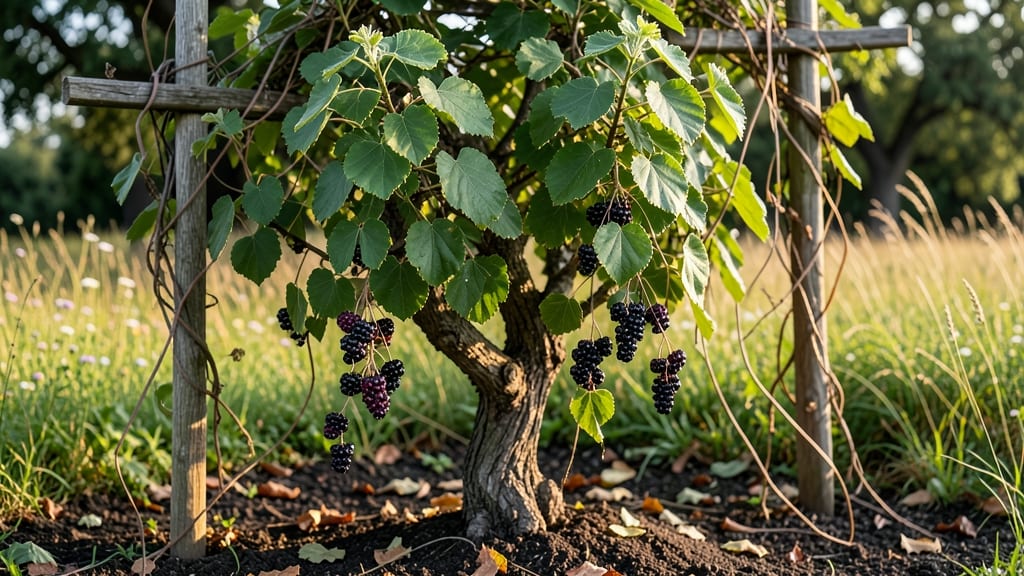
Your mulberry vine plant can grow 10 feet in a single season—that’s not a typo. 🌱 I’ve watched this fast-growing beauty transform bare walls into lush, fruiting privacy screens in just a few months, and the blackberries it produces taste like a cross between a grape and a raspberry.
The secret to its speed lies in its love of sun and well-draining soil. Plant it in full sun where it can spread freely, and water deeply but infrequently—think once a week once established. Overwatering is the #1 way to slow it down (and invite root rot).
By midsummer, you’ll be harvesting sweet, juicy berries straight from the vine while the foliage creates a dense, impenetrable screen. The more you prune, the bushier it gets—perfect for trellises, fences, or even covering unsightly structures. Works in zones 7-11, though colder climates need winter protection.
Here’s how to keep it thriving all year.
📚 In This Guide
- What you need
- Instructions
- Tips and common mistakes
- Wrapping up and next steps
What you need
- ● Mulberry vine cuttings or seedlings – 3–5 healthy plants (ensure they’re disease-free and from a trusted source).
- ● Well-draining soil – A mix of garden soil, compost, and perlite (pH 6.0–7.5).
- ● Sunlight exposure – A location with full sun (6+ hours daily) or partial shade (for cooler climates).
- ● Support structure – Trellis, fence, or arbor (for climbing varieties; 8–10 ft tall minimum).
- ● Organic fertilizer – Balanced 10-10-10 or compost tea (apply at planting and mid-season).
- ● Garden trowel or shovel – For planting and soil prep.
- ● Pruning shears – Sharp, sterilized shears for trimming (disinfect with rubbing alcohol).
- ● Watering can or hose – With a gentle spray nozzle for hydration.
- ○ Mulch (optional but recommended) – Wood chips or straw (2–3 inches) to retain moisture.
- ● Check local regulations—some areas restrict mulberry varieties due to invasive tendencies.
- ● Ensure your space allows for rapid growth (up to 10 ft/year!)—prune early to manage spread.
Instructions for planting and cultivating mulberry vine
Here's how to get your mulberry vine growing strong and productive in no time.
🌱 Step 1: Choose the Perfect Location and Prepare the Soil
Mulberry vines thrive in full sun—select a spot that receives at least 6-8 hours of direct sunlight daily. These vines grow aggressively, so position them along a sturdy fence, trellis, or pergola where they can climb and spread. Avoid areas with strong winds, as the broad leaves can tear easily.
Before planting, enrich the soil with 2-3 inches of compost mixed into the top 12 inches of soil. Mulberry vines prefer well-draining, slightly acidic to neutral soil (pH 6.0-7.5). If your soil is heavy clay, amend it with sand or perlite to improve drainage. Test your soil’s pH if possible—mulberries struggle in overly alkaline conditions.
🪴 Step 2: Plant the Vine at the Right Time and Depth
Plant mulberry vines in early spring, just as new growth begins, or in early fall before the first frost. Dig a hole twice as wide as the vine’s root ball but only as deep as the container it came in. This prevents burying the stem too deeply, which can cause rot.
Place the vine in the hole, ensuring the top of the root ball sits level with the surrounding soil. Backfill with native soil, tamping gently to remove air pockets. Water deeply to settle the roots and encourage contact with the surrounding earth. Mulch around the base with 2-3 inches of organic mulch (like shredded bark or wood chips) to retain moisture and suppress weeds.
☀️ Step 3: Provide Support and Encourage Vigorous Growth
Mulberry vines need strong structural support—install a trellis, arbor, or fence at planting time. Use soft ties or twine to gently attach the main stems to the support, guiding them upward as they grow. Avoid metal or wire ties, which can cut into the bark as the vine thickens.
Water deeply once a week during the first growing season, ensuring the soil stays evenly moist but not soggy. You’ll know it’s time to water again when the top 2 inches of soil feel dry. Once established, mulberry vines are drought-tolerant, but consistent moisture in their first year encourages robust root development and faster fruiting.
✂️ Step 4: Prune for Shape, Health, and Fruit Production
Prune mulberry vines in late winter or early spring before new growth begins. Remove dead, diseased, or crossing branches first to improve airflow and reduce pest risks. Then, trim back any overgrown or unruly growth to maintain your desired shape. You can also lightly prune in summer to control size, but avoid heavy pruning then—it can stress the plant.
To encourage fruit production, focus on open, airy growth. Cut back any dense, tangled branches that block sunlight from reaching the center of the vine. Mulberries produce fruit on new wood, so avoid over-pruning older stems. If your vine becomes too large, you can renewal prune—cutting back one-third of the oldest stems to the ground each year to stimulate fresh growth.
🍇 Step 5: Harvest and Maintain for Long-Term Success
Mulberries ripen in late summer to early fall, depending on your climate. Harvest when the fruit is deep purple-black and slightly soft to the touch. Gently twist or pluck the berries—don’t pull the stems, as this can damage the plant. Wear gloves if you’re sensitive to the slightly sticky sap.
After harvesting, apply a light layer of balanced fertilizer (like 10-10-10) in early spring to replenish nutrients. Mulberry vines are generally low-maintenance, but removing suckers (shoots that sprout at the base) helps direct energy into the main vine. If your vine spreads beyond your desired area, cut back aggressive suckers in early spring before growth resumes.
Tips & tricks for growing a thriving mulberry vine
These pro insights will help you maximize your mulberry vine's growth and fruit production while avoiding common pitfalls.
Sunlight Strategy: While the instructions specify 6-8 hours of direct sunlight, I've found that positioning your vine to capture morning sun and afternoon shade in hot climates actually extends the fruiting season. Mulberries can handle partial shade, but full sun produces the sweetest berries. If your location gets intense afternoon heat, consider a trellis with partial afternoon shade cloth during peak summer months.
Soil Preparation Secret: Before amending your soil with 2-3 inches of compost and sand or perlite for clay soils, I recommend doing a simple scratch test. Dig a small hole, add water, and observe how quickly it drains. If water pools after 30 minutes, your soil needs more sand. For sandy soils, add 1-2 inches of organic matter like peat moss to improve moisture retention. Mulberries hate soggy roots but need consistent moisture during establishment.
Support System Hack: When installing your trellis or fence for Step 3, I always recommend using galvanized metal or heavy-duty plastic pipes for vertical supports rather than wood posts. Wood can rot at the base where mulch sits, while metal supports last decades. For extra stability, bury the posts 12-18 inches deep and use concrete footings if your vine will grow particularly large. This prevents wind damage to your privacy screen.
Pruning Precision: During your late winter/early spring pruning in Step 4, focus on creating an "open vase" shape rather than a dense wall. Remove branches that grow inward or cross each other first, then cut back any that exceed your desired height by about one-third. This open structure allows sunlight to penetrate to the center where most fruit develops. I've seen vines with 50% more fruit production after implementing this open-air approach during their second growing season.
Pro Tips for Mulberry Vine Plant
- These pro insights will help you maximize your mulberry vine's growth and fruit production while avoiding common pitfalls.
- Sunlight Strategy: While the instructions specify 6-8 hours of direct sunlight, I've found that positioning your vine to capture morning sun and afternoon shade in hot climates actually extends the fruiting season.
- Soil Preparation Secret: Before amending your soil with 2-3 inches of compost and sand or perlite for clay soils, I recommend doing a simple scratch test.
Frequently asked questions
Got questions about growing and using mulberry vines?
Here are answers to the most common ones to help you navigate planting, care, and harvest like a pro!
How fast does a mulberry vine grow?
A mulberry vine can grow surprisingly fast—up to 10–15 feet per year under ideal conditions! With proper pruning and support, you’ll see rapid vertical growth, making it a fantastic privacy screen in just a few seasons.
Is mulberry vine invasive? How do I control its spread?
Yes, mulberry vines are highly invasive and can overtake gardens or landscapes if unchecked. To control them:
- Prune aggressively in early spring to remove unwanted shoots.
- Use root barriers to limit underground spread.
- Regularly monitor and remove suckers from the base.
Can I eat mulberry fruit from any vine?
Not all mulberry vines produce edible fruit—only those from Morus alba (white mulberry) or Morus rubra (red mulberry) are safe. Avoid wild or unidentified vines, as some may contain toxins. Always confirm the species before harvesting!
What’s the best time to plant mulberry vines?
The ideal planting time is early spring (after the last frost) or fall (4–6 weeks before frost). Young vines establish roots faster in cooler weather, giving them a head start for summer growth. Avoid planting in extreme heat!
What are good alternatives to mulberry vines for privacy?
If mulberry’s invasiveness is a concern, consider these fast-growing alternatives:
- Wisteria – Beautiful blooms but slower growth.
- Honeysuckle – Fragrant and less aggressive.
- Virginia Creeper – Deciduous and easier to manage.
- Bamboo (clumping types) – Dense but requires containment.
Wrapping up and next steps
The mulberry vine plant is a versatile and rewarding addition to any garden—whether you’re growing it for its delicious fruit, privacy-friendly foliage, or low-maintenance charm. With the right care, it thrives quickly, offering shade, wildlife support, and even edible treats!
Ready to transform your outdoor space? Start by selecting the perfect spot, gathering your supplies, and planting with confidence. Your lush, fruity oasis awaits—so grab those gloves and get growing! 🌿✨