
Planting
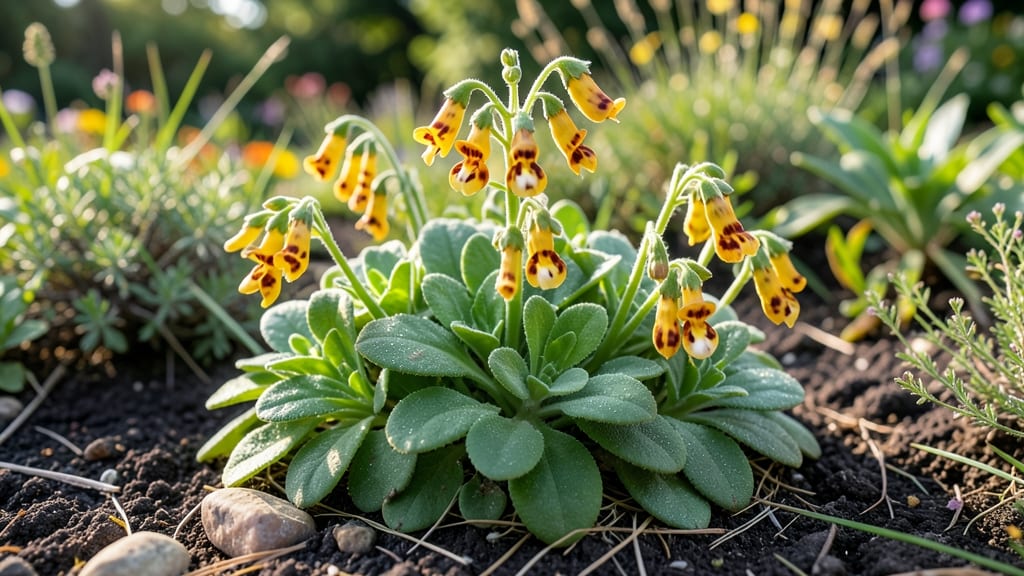
Your shade garden just got an upgrade with these fuzzy, monkey-face blooms that look like nature’s own plush toys. 🌿 The Mimulus genus—commonly called monkey face flower—brings vibrant color and whimsical charm to areas where other plants struggle, thriving in partial shade where sun-lovers fade.
I’ve grown them in my woodland garden for years, and they never fail to attract hummingbirds and butterflies while requiring less fuss than most annuals.
The secret to their success? Moist, well-draining soil and consistent watering—think of them as the low-maintenance divas of the shade garden. They bloom from early summer through fall, producing those iconic fuzzy, two-lipped flowers in shades of yellow, orange, pink, and even deep purple.
Unlike many shade plants, they’re hardy perennials in zones 4-9, meaning once planted, they’ll return year after year with minimal effort.
You’ll love how they fill gaps between hostas and ferns, spill elegantly over containers, or anchor borders with their trailing habit. Just watch out for slugs—they adore these tender blooms as much as you do.
With the right care, your monkey face flowers will reward you with months of cheerful color and a garden that feels alive with movement.
Perfect for woodland gardens, patios, or containers, these plants prove shade doesn’t mean sacrificing drama. Whether you’re reviving a dull corner or adding whimsy to a new space, they’re the easy-care superstars you didn’t know you needed. Let’s get them growing!
📚 In This Guide
- What you need
- Instructions
- Tips and common mistakes
- Wrapping up and next steps
What you need
- ● Monkey Face Flower Seeds or Nursery Plants: Seeds: 10–20 seeds (for a small patch) or 50+ for a full garden bed.
- ● Nursery plants: 3–5 mature plants (spaced 12–18 inches apart).
- ● Well-Draining Soil: Mix 2 parts garden soil with 1 part compost or peat moss for optimal moisture retention.
- ● Partial to Full Shade Location: A spot with 4–6 hours of dappled sunlight or filtered shade (e.g., under trees or shrubs).
- ● Watering Can or Hose with a Gentle Spray Nozzle: For consistent moisture without disturbing roots.
- ○ Organic Mulch (Optional but Recommended): 2–3 inches of shredded bark, wood chips, or straw to retain moisture and suppress weeds.
- ● Garden Trowel or Hand Fork: For digging small holes (2–3 inches deep for seeds, 6–8 inches for transplants).
- ○ Gloves (Optional): To protect hands from soil and thorns (if handling mature plants).
- ○ pH Test Kit (Optional): Ideal soil pH: 5.5–6.5. Adjust with lime (to raise pH) or sulfur (to lower pH) if needed.
- ○ Fertilizer (Optional): Balanced, slow-release fertilizer (10-10-10) or a shade-loving plant food like fish emulsion (apply lightly at planting).
- ○ Stakes or Plant Labels (Optional): To mark seedling locations until they’re established.
Step-by-Step guide to growing monkey face flower in shade gardens
Here’s how to coax those striking, orchid-like blooms from your shade garden—with minimal fuss.
🌱 Step 1: Select the Perfect Shade Spot
Monkey face flower (Tiarella) thrives in partial to full shade, where it gets 3-6 hours of dappled sunlight daily. I always scout for locations with morning sun and afternoon shade—this prevents leaf scorch while keeping blooms vibrant. Avoid deep shade spots; the plant needs some light to trigger flowering.
Test your site by observing how sunlight moves across the area throughout the day. If the ground stays damp but never soggy, it’s ideal. Amend heavy clay soil with 2-3 inches of compost to improve drainage—this plant hates waterlogged roots. I like to plant mine near ferns or hostas, where the shade is natural and the moisture stays consistent.
🪴 Step 2: Plant at the Right Depth and Spacing
Dig a hole twice as wide as the root ball but only as deep as the container’s base. Monkey face flower has shallow roots, so burying too deep suffocates them. Gently loosen the roots if they’re circling in the pot—this encourages outward growth. Space plants 12-18 inches apart for mature foliage to spread without crowding.
Press the surrounding soil firmly around the roots to eliminate air pockets, then water deeply to settle everything. You’ll know it’s right when the soil surface looks slightly compressed but not hard. Mulch with 2-3 inches of shredded bark to retain moisture and suppress weeds—this is non-negotiable in my book, especially in hotter climates.
☀️ Step 3: Water Consistently Without Overdoing It
Keep the soil evenly moist but never soggy—this is the golden rule for monkey face flower. Water once weekly in spring/fall, but every 2-3 days during summer heat. You’ll know it’s time when the top inch of soil feels dry to the touch. Overwatering causes root rot, which turns leaves yellow and mushy.
I water at the base early in the morning to reduce evaporation. Avoid wetting the foliage, as fungal diseases like powdery mildew love damp leaves. If your garden has poor drainage, consider planting in a raised bed or container with drainage holes—this plant won’t forgive waterlogged conditions.
✂️ Step 4: Deadhead and Divide for Long-Term Health
After blooms fade, snip spent flower stalks just above the first set of leaves to encourage a second flush of flowers. This keeps the plant tidy and redirects energy into new growth. I do this every 2-3 weeks during the blooming season (spring to early summer). Avoid cutting into old wood—always leave a leaf node to support regrowth.
Every 3-4 years, divide clumps in early spring when new shoots emerge. Dig up the plant, separate sections with a clean knife, and replant the strongest divisions. This rejuvenates the plant and prevents overcrowding. You’ll know it’s time when the center dies out and growth slows—this is your cue to refresh.
🌿 Step 5: Fertilize Lightly for Vibrant Blooms
Feed with a balanced, slow-release fertilizer (10-10-10) in early spring, just as new growth appears. I use ½ teaspoon per plant mixed into the soil surface—this is enough to support blooms without encouraging excessive foliage. Avoid high-nitrogen fertilizers; they promote leafy growth at the expense of flowers.
For organic gardeners, top-dress with composted leaf mold in fall. This improves soil structure and provides micronutrients without the risk of burning roots. You’ll see the difference in brighter foliage and more abundant blooms the following season. Stop fertilizing after midsummer to let the plant prepare for dormancy.
Tips & tricks for perfect monkey face flower plant care
To get those stunning orchid-like blooms thriving in your shade garden, here are the secrets I've learned after years of growing monkey face flower.
Lighting Strategy: The 3-6 hours of dappled sunlight mentioned in Step 1 is crucial—this is where I see the biggest difference in bloom quality. If your garden only gets morning sun, consider supplementing with a sheer curtain or lattice structure that filters afternoon light without blocking it completely. I've found that plants receiving filtered light through sheer fabric produce more vibrant blooms than those in dense shade.
Soil Preparation Insight: When amending heavy clay soil with 2-3 inches of compost in Step 1, I recommend mixing in a handful of perlite or coarse sand as well. This creates better drainage while maintaining moisture retention—monkey face flower roots need that perfect balance. The key is to create a soil texture that resembles a well-draining loam. You'll notice the difference in how quickly the roots establish themselves.
Planting Depth Secret: In Step 2, when planting at the correct depth, I've discovered that gently pressing the surrounding soil creates a subtle "well" around the root ball. This helps direct water straight to the roots during those critical first weeks. I also recommend using a small stick to poke drainage holes around the perimeter of the planting hole before adding the plant—this prevents water pooling that can lead to root suffocation.
Watering Technique: The "evenly moist but never soggy" rule in Step 3 is gold, but here's my extra tip: I use a moisture meter to check soil moisture at the 1-inch depth mentioned. When it reads dry, I water until it runs out of the drainage holes, then wait until it's slightly dry again before watering. This prevents the boom-and-bust cycle that causes root stress. For container growers, I recommend using pots with saucers to catch excess water—monkey face flower won't tolerate sitting in water.
Pro Tips for Monkey Face Flower Plant
- To get those stunning orchid-like blooms thriving in your shade garden, here are the secrets I've learned after years of growing monkey face flower.
- Lighting Strategy: The 3-6 hours of dappled sunlight mentioned in Step 1 is crucial—this is where I see the biggest difference in bloom quality.
- Soil Preparation Insight: When amending heavy clay soil with 2-3 inches of compost in Step 1, I recommend mixing in a handful of perlite or coarse sand as well.
Frequently asked questions
Got questions about growing the Monkey Face Flower (Mimulus spp.)? You’re not alone!
This striking shade-loving plant has quirky habits and unique care needs. Below, we tackle the most common queries—from blooming secrets to troubleshooting tricks—so you can keep your garden thriving with these exotic beauties.
How do I encourage my Monkey Face Flower to bloom longer?
To prolong blooms, deadhead spent flowers regularly (pinch or snip them off) to redirect energy to new growth. Mimulus thrives in partial shade with dappled sunlight—too much direct sun can scorch leaves, while deep shade may reduce flowering. Fertilize lightly with a balanced, water-soluble formula every 4-6 weeks during the growing season. Pro tip: Mulch around the base to retain moisture and cool roots, which encourages more vibrant blooms!
When is the best time to plant Monkey Face Flowers?
Plant Mimulus in early spring or early fall for optimal root establishment. Avoid transplanting during extreme heat or frost, as delicate roots can struggle. If starting from seed, sow them indoors 8-10 weeks before the last frost or directly in the garden after soil temperatures reach at least 50°F (10°C). Container gardening? Use well-draining pots and plant in spring to give roots time to adjust before winter.
Why are my Monkey Face Flower leaves turning yellow?
Yellowing leaves usually signal overwatering, poor drainage, or nutrient deficiencies. Check the soil—it should be moist but not soggy. Ensure your pot or garden bed has adequate drainage (add perlite or sand to heavy soil if needed). Yellow edges may also indicate chlorosis, often caused by iron deficiency in alkaline soils. Try a chelated iron supplement or adjust soil pH slightly with sulfur.
Can Monkey Face Flowers grow in containers, and what’s the best setup?
Mimulus thrives in containers with at least 6-inch-deep pots and drainage holes. Use a light, well-draining potting mix blended with compost or peat moss. Choose a pot with a 12-18 inch diameter for mature plants, and place it in a spot with morning sun and afternoon shade. Water containers frequently—they dry out faster than garden beds. Bonus tip: Group containers together to create a microclimate that mimics their natural woodland habitat!
Are there any shade-tolerant alternatives if Monkey Face Flowers don’t thrive in my garden?
If your climate or soil isn’t ideal, try these low-light, shade-loving bloomers:
- Bleeding Heart (Dicentra spectabilis): Delicate, heart-shaped flowers in pink or white; thrives in moist, shady spots.
- Hosta (Hosta spp.): Hardy foliage plants with stunning variegation that pair well with shade-loving flowers.
- Astilbe (Astilbe spp.): Feathery plumes in pink, red, or white; loves consistent moisture.
- Lungwort (Pulmonaria spp.): Early spring blooms with spotted leaves; drought-tolerant once established.
Wrapping up and next steps
The monkey face flower plant is a stunning, low-maintenance gem for shade gardens, offering unusual beauty with minimal fuss. Whether you're drawn to its striking blooms or its resilience in low-light conditions, this plant is perfect for adding drama to your space.
Now that you’re armed with care tips and answers to common questions, why not take the plunge?
Start by selecting a shady spot in your garden and gather your supplies—then watch your monkey face flower transform your space with its exotic charm! 🌿✨