
Planting
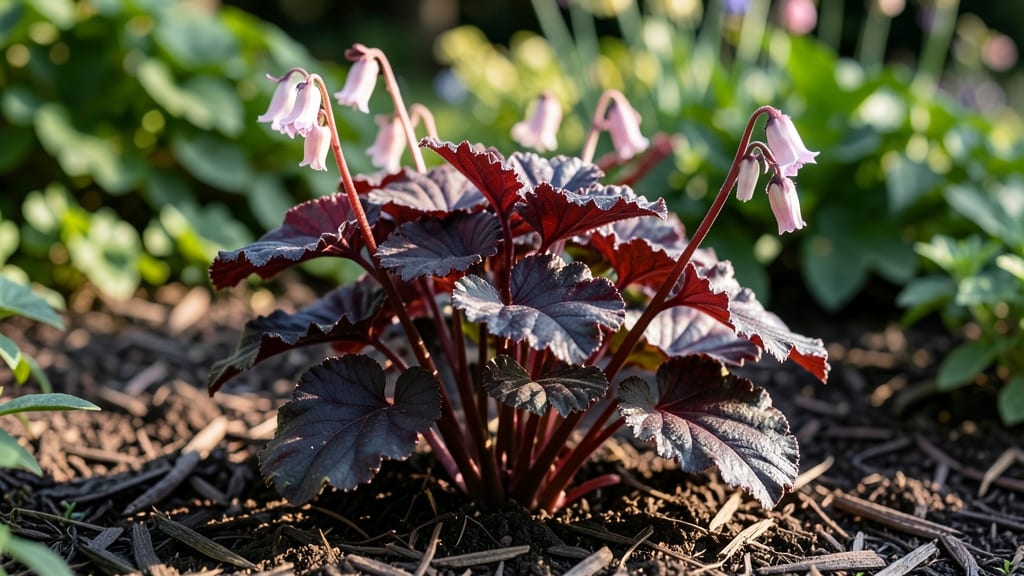
The heuchera coral bells plant transforms shady corners into vibrant focal points with foliage that rivals any flower. 💚 I planted mine last spring, and the deep burgundy leaves still make neighbors stop and ask, "What is that?"
The secret? This shade-loving perennial thrives where most plants struggle, giving you year-round color with almost no effort.
You’ll need well-draining soil (amend with compost if yours is heavy clay), partial to full shade, and zones 3-9 hardiness. Mature plants reach 12-18 inches tall and wide, making them perfect for borders, containers, or woodland gardens.
The key to happy coral bells is consistent moisture—dry soil makes leaves crisp—but they’re drought-tolerant once established.
What you’ll love most is how low-maintenance they are. Snip dead or yellowing leaves in early spring, and you’re done. Fertilize lightly in spring if your soil is poor, but most varieties thrive without extra feeding.
The real magic happens when you mix cultivars—try pairing a lime-green ‘Lime Rickey’ with a deep purple ‘Palace Purple’ for a striking contrast.
These plants handle everything from city containers to forest edges. Once you see how they brighten shady spots, you’ll want them everywhere—trust me, I have at least five more planted in my yard!
📚 In This Guide
- What you need
- Instructions
- Tips and common mistakes
- Wrapping up and next steps
What you need
- ● Heuchera Coral Bells plants: 1–3 nursery-grown seedlings (for containers) or 3–5 for garden beds
- ● OR Seeds (if starting from scratch—requires patience!)
- ● Well-draining potting mix: 2–3 bags (10–15 cubic feet) for garden beds or 1–2 bags (5–10 cubic feet) for containers
- ● Organic compost: 1–2 bags (for enriching soil and improving drainage)
- ● Slow-release fertilizer (10-10-10 or 20-20-20): 1 small bag (for nutrient boost)
- ● Mulch (pine bark or shredded leaves): 1–2 bags (to retain moisture and protect roots)
- ● Garden gloves: 1 pair (to keep hands clean and protected)
- ● Watering can or hose with a gentle spray nozzle: (for precise watering)
- ● Trowel: 1 medium-sized (for digging small holes)
- ● Garden fork or spade: 1 (for amending soil in garden beds)
- ● Pruning shears: 1 pair (for trimming dead foliage or dividing plants)
- ● Measuring tape or ruler: (to space plants 12–18 inches apart)
- ○ Container (optional): 1–2 pots (8–12 inches wide) with drainage holes (if growing in containers)
- ● A shady or partially shaded spot (2–4 hours of sunlight max)
- ● Well-draining soil (Heuchera hates soggy roots! Amend clay soil with compost)
- ● Patience for seed starters (if growing from seed—germination takes 2–4 weeks)
Step-by-Step guide for planting and caring for Heuchera Coral Bells
Here's how to create a stunning shade garden with these vibrant, low-maintenance perennials.
🌱 Step 1: Select the Perfect Planting Location
Heuchera thrives in partial to full shade, making it ideal for shady spots where other plants struggle. I always choose a location with 4-6 hours of morning sun—this prevents leaf scorch while allowing enough light for vibrant foliage. Avoid deep shade areas where the leaves may lose their striking colors over time.
Test your spot by observing how sunlight moves throughout the day. If the area stays dry and exposed, it’s perfect. Heuchera also appreciates well-draining soil—if your garden soil is heavy clay, amend it with 2-3 inches of compost before planting. This ensures roots stay healthy and prevents rot.
🪴 Step 2: Prepare the Soil and Plant with Care
Dig holes twice as wide as the root ball but only as deep. Heuchera roots spread horizontally, so extra width encourages stronger growth. Gently remove the plant from its container and loosen any tangled roots—this prevents transplant shock. Place the plant in the hole so the top of the root ball sits flush with the soil surface—burying too deep can suffocate the crown.
Fill the hole with soil, pressing lightly to remove air pockets. Water deeply to settle the roots, but avoid overwatering—soggy soil is the enemy of Heuchera. Mulch around the base with 2-3 inches of organic mulch (like shredded bark) to retain moisture and suppress weeds. Keep mulch 2 inches away from the stem to prevent rot.
☀️ Step 3: Water and Maintain for Vibrant Foliage
Water deeply once a week during the first growing season to establish roots, then taper off to every 10-14 days once established. Heuchera is drought-tolerant once settled, but wilting leaves signal it’s time to water. Always water at the base—avoid overhead watering to prevent fungal diseases like powdery mildew, which can dull the foliage.
Fertilize lightly in early spring with a balanced, slow-release fertilizer (10-10-10). Over-fertilizing leads to weak stems and less vibrant colors. I also pinch back any leggy growth in early summer to encourage bushier, fuller plants. Deadhead spent flowers in late summer to redirect energy into next year’s foliage.
✂️ Step 4: Divide and Refresh Every Few Years
Heuchera forms dense clumps over time, and dividing them every 3-4 years keeps them vigorous. In early spring, dig up the plant and separate the crowns with a clean knife, ensuring each section has 3-4 healthy leaves. Replant the divisions immediately in fresh soil—this prevents transplant shock and jumpstarts growth for the season.
If you notice older leaves turning brown or the center dying out, it’s a sign the plant is overcrowded. Dividing also lets you share plants with friends—just a small section will root and thrive in its new spot. After dividing, water deeply and mulch again to protect the roots as they reestablish.
Tips & tricks for perfect Heuchera Coral Bells planting
These pro tips will help your shade garden thrive with vibrant, long-lasting foliage that steals the show.
Location is Everything: The 4-6 hours of morning sun mentioned in Step 1 is non-negotiable for color retention. I've seen Heuchera lose its signature hues when planted in deep shade—test your spot by observing sunlight patterns throughout the day. If your area gets afternoon sun, consider using a shade cloth (30-50%) during peak hours to prevent leaf scorch while maintaining that perfect morning light exposure.
The Root Ball Technique: When planting, resist the urge to press down too hard on the soil after filling the hole in Step 2. Instead, use your fingers to gently firm the soil around the edges of the root ball. This creates better soil-to-root contact without compacting the soil too tightly, which can restrict root growth. Think of it like giving your plant a gentle handshake rather than a firm handshake—just enough to establish connection without squeezing too hard.
Mulch Like a Pro: The 2-3 inches of organic mulch recommended in Step 2 should be applied after the soil has settled for 24 hours. This gives roots time to establish without competing with mulch for moisture. I also recommend using a mulch with larger chunks (like hardwood chips) rather than fine shreds—it breaks down more slowly and provides better insulation against temperature fluctuations. Just remember to keep it 2 inches away from the stem to prevent rot.
Watering Wisdom: In Step 3, when you're establishing roots with weekly deep watering, aim for the soil to be moist about 2 inches below the surface. Use a trowel to check moisture levels—if it feels dry at that depth, it's time to water. Overhead watering can lead to fungal issues, so consider using a soaker hose or drip irrigation system placed at the base of the plant. This targeted approach keeps foliage dry while delivering water exactly where the roots need it most.
Pro Tips for Heuchera Coral Bells Plant
- These pro tips will help your shade garden thrive with vibrant, long-lasting foliage that steals the show.
- Location is Everything: The 4-6 hours of morning sun mentioned in Step 1 is non-negotiable for color retention.
- The Root Ball Technique: When planting, resist the urge to press down too hard on the soil after filling the hole in Step 2.
Frequently asked questions
Got questions about growing Heuchera (Coral Bells)?
You’re not alone! Here are answers to the most common queries to help you nurture vibrant, thriving foliage in your shade garden.
How do I choose the right variety of Coral Bells for my garden?
Consider your lighting and color preferences! Heuchera varieties thrive in partial to full shade, with options like Heuchera 'Palace Purple' (deep burgundy) or Heuchera 'Lime Rickey' (bright lime green). For high-altitude gardens, opt for cold-hardy types like Heuchera 'Berry Smoothie'. Always check the plant tag for mature size—some stay compact (6–12"), while others spread wider (18–24").
When is the best time to plant Coral Bells?
Spring or early fall are ideal! Planting in spring (after the last frost) gives roots time to establish before summer heat, while fall planting (4–6 weeks before frost) allows growth before winter dormancy. Avoid planting in extreme heat or cold—roots need stable soil temps (50–75°F). Pro tip: Water deeply after planting to reduce transplant shock!
Why are my Coral Bells’ leaves turning yellow or brown?
Yellowing leaves often signal overwatering or poor drainage—Coral Bells hate soggy roots! Brown edges or crispy foliage usually mean underwatering or sun scorch (if planted in too much direct light). Check soil moisture (top inch should dry slightly between waterings) and ensure well-draining soil. If leaves look ragged, it could be slugs or pests—inspect undersides and treat with organic sprays if needed.
Do Coral Bells need winter care in cold climates?
Most Heuchera varieties are perennial and hardy to USDA zones 4–9, but a thick mulch layer (3–4 inches) protects roots in freezing temps. In zone 3 or colder, group plants with evergreen shrubs for windbreak or use burlap wraps for extra insulation. Avoid pruning in late fall—wait until early spring to trim dead foliage and encourage fresh growth.
What are some great companion plants for Coral Bells?
Pair Heuchera with shade-loving perennials like Hosta, Ferns, or Astilbe for texture contrast. For height, try Hellebores or Lungwort, while creeping thyme or Ajuga add ground cover. Avoid aggressive spreaders (like mint) that may crowd your Coral Bells. Color coordination tip: Plant 'Plum Pudding' Coral Bells near blue Hosta for a stunning contrast!
Wrapping up and next steps
Adding Heuchera Coral Bells to your garden is a game-changer for shade lovers—this stunning plant brings vibrant colors, year-round interest, and low-maintenance beauty! 🌿 Whether you’re a seasoned gardener or just starting, its adaptability and striking foliage make it a must-have for any landscape. Ready to elevate your garden’s drama?
Your next step? Pick your favorite variety—from deep purples to sunny yellows—and get planting! Start small with a single pot or go bold with a full border. Your shade garden will thank you!