
Planting
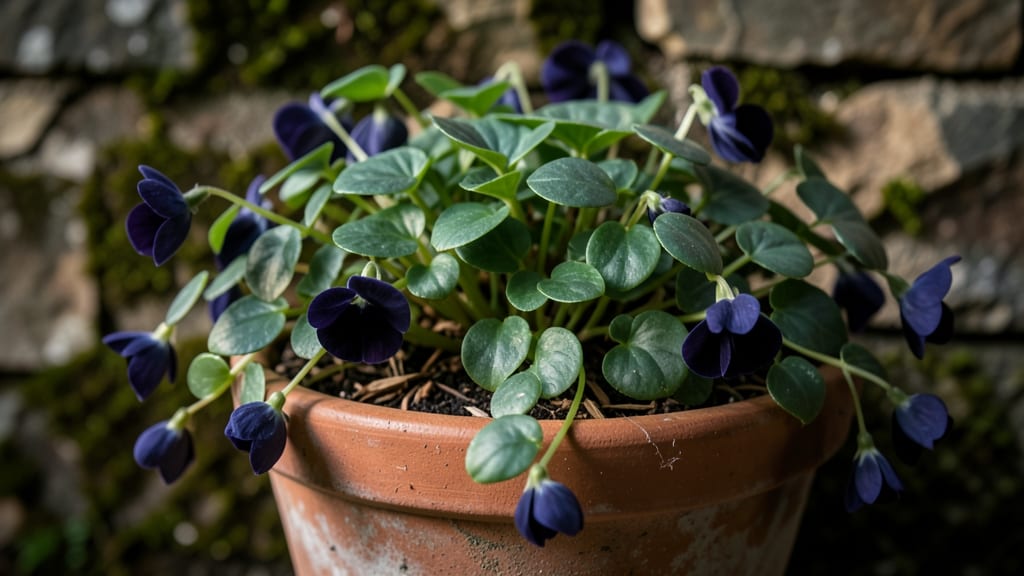
Caring for a Midnight Blue Heart plant transforms any room into a dramatic, velvety green statement. 🌿 This striking foliage plant thrives with the right balance of light, water, and occasional pruning—no fancy skills required.
I’ve kept mine vibrant for years by following a few simple routines that prevent common issues like yellowing leaves or leggy growth.
The secret lies in bright, indirect light—think east-facing windows or a few feet from a south window. Water when the top inch of soil feels dry, but never let it sit in soggy conditions.
Well-draining potting mix and a humidity boost (like a pebble tray) keep those deep purple-blue leaves looking lush year-round.
With proper care, your Midnight Blue Heart will reward you with bold, glossy foliage that stays compact and full. Prune occasionally to encourage bushiness, and watch out for spider mites—they’re the only real pest threat.
The plant’s striking color makes it a conversation starter, and its low-maintenance nature means it’s perfect for busy plant parents.
Whether you’re a beginner or a seasoned grower, these tips will keep your Midnight Blue Heart thriving. Once you master the basics, you’ll notice how resilient it is—even when you forget to water it for a week or two. That’s the kind of plant that builds confidence!
📚 In This Guide
- What you need
- Instructions
- Tips and common mistakes
- Wrapping up and next steps
What you need
- ● Plant: A healthy Midnight Blue Heart cutting or mature plant (available at nurseries or online plant shops).
- ○ Pot: 1 well-draining ceramic or terracotta pot (4–6 inches in diameter) with drainage holes. Optional: A hanging basket for a trailing display!
- ● Potting Mix: 1 bag (1–2 quarts) of lightweight, airy mix like cactus/succulent blend or add perlite/pumice (20–30%) to regular soil for drainage.
- ● Tools: 1 pair of sterilized scissors or pruning shears (for propagation).
- ● 1 small spray bottle (for humidity).
- ○ 1 moisture meter (optional but helpful for tracking soil hydration).
- ● Light: A bright, indirect spot (e.g., east or north-facing window) or grow lights (12–14 hours/day) for vibrant color.
- ● Temperature: Keep between 60–80°F (15–27°C)—avoid drafts or cold windows!
- ● Humidity: Moderate to high (40–60%+). Use a pebble tray or humidifier if your air is dry. 💡 Pro tip: Group plants together to boost humidity naturally!
- ● Water: Room-temperature, filtered water (avoid tap water with high chlorine/fluoride).
- ● 1 fertilizer: Balanced liquid fertilizer (e.g., 10-10-10) or worm castings for slow-release nutrients.
- ● 1 plant food: Chelated iron supplement (if leaves lose vibrancy).
- ● 1 mystery snail/slug bait (if pests become an issue).
- ● 1 decorative cache pot (to hide the functional terracotta pot for style!).
Step-by-Step guide to growing a thriving Midnight Blue Heart plant
Here’s how I keep my Midnight Blue Heart looking vibrant with striking foliage year-round—no guesswork involved.
☀️ Step 1: Place in Bright, Indirect Light
The Midnight Blue Heart (Tradescantia pallida) thrives in bright, indirect light—think east-facing windows or a few feet from a south window. Direct sun will scorch its deep purple leaves, while too little light fades the color and makes growth leggy. I rotate my plant quarter-turn weekly so all sides get even exposure. Watch for leaves leaning toward the light—that’s your cue to move it closer.
If your space is dim, a grow light (12-14 hours daily) works wonders. Place it 12-18 inches away and raise it as the plant grows. You’ll notice the leaves stay plump and the signature blue-purple hue stays bold.
💧 Step 2: Water When Top 1-2 Inches Feel Dry
Let the top 1-2 inches of soil dry out between waterings—this plant hates soggy roots. I stick my finger in the soil: if it feels dry to the touch, it’s time to water. Overwatering causes yellow leaves and root rot, while underwatering makes leaves crispy. Use room-temperature water and water until it drains from the bottom—no standing water in the saucer.
In winter, when growth slows, I water even less frequently—sometimes every 10-14 days. The leaves will pucker slightly if thirsty, but they perk up quickly after a drink. A pebble tray under the pot (with water below, not touching the pot) adds humidity without overwatering.
🪴 Step 4: Repot Every 1-2 Years or When Roots Crowd
Midnight Blue Heart grows fast and needs space to sprawl. Check roots every spring: if they’re circling the pot or poking out drainage holes, it’s time to upgrade. I use a pot 2-3 inches wider than the current one with fresh well-draining potting mix—add a handful of perlite to improve aeration.
Gently tease apart tangled roots and place the plant at the same depth it was growing before. The first few weeks after repotting are critical—keep light bright and water lightly until new growth appears (usually 2-3 weeks). You’ll see fresh, vibrant leaves emerge as a sign it’s settled in.
✂️ Step 5: Prune to Encourage Bushier Growth
Pinch back the tips of stems when they reach 4-6 inches to encourage branching. I use clean scissors to snip just above a leaf node (where leaves grow). This prevents the plant from getting leggy and keeps that lush, trailing look. Remove any yellow or damaged leaves immediately—they drain energy and risk spreading pests.
For a fuller look, trim back overly long stems by one-third in spring. Propagate those cuttings in water—they root easily! Just place them in a jar of water, change the water every 3-4 days, and you’ll see roots in 2-3 weeks. This keeps your plant compact and gives you free baby plants.
🌿 Step 6: Fertilize Lightly During Growing Season
Feed your Midnight Blue Heart once a month in spring and summer with a balanced liquid fertilizer (10-10-10 or 20-20-20, diluted to half strength). I skip fertilizing in fall and winter—resting plants don’t need extra nutrients. Over-fertilizing burns roots and causes brown leaf tips, so less is more.
If you notice slow growth or pale leaves, that’s your sign to fertilize. But if the leaves stay vibrant and growth is steady, you’re doing great! A slow-release fertilizer pellet mixed into the soil at repotting time also works—just follow package instructions for application rates.
Tips & tricks for perfect Midnight Blue Heart plant care
A few simple secrets that’ll keep your Midnight Blue Heart’s foliage bold and thriving all year long.
Lighting Strategy: That quarter-turn weekly rotation in Step 1 is a game-changer—it prevents the plant from growing lopsided toward the light source. I’ve seen plants develop permanent bends if left unrotated. For extra color vibrancy, position it near an east-facing window where it gets morning light without harsh afternoon rays. If your space lacks natural light, that 12-14 hour grow light schedule is non-negotiable for maintaining the deep purple hues.
Watering Wisdom: The finger test in Step 2 works perfectly, but I’ve learned to trust my eyes too—crispy leaf edges mean it’s thirsty, while yellowing at the base signals overwatering. In winter, when growth slows, I actually check the soil moisture more frequently than the calendar because cold air dries out soil faster. A pebble tray isn’t just decorative—it adds crucial humidity without risking root rot from sitting water.
Repotting Reminder: Don’t wait for roots to completely fill the pot before repotting—when you see them circling or poking through drainage holes, that’s your cue. I’ve made the mistake of waiting too long, and the plant becomes stressed trying to push through compacted soil. The 2-3 inch wider pot rule is perfect for this fast-growing variety, but I always add extra perlite to prevent the soil from compacting too quickly in the new container.
Pruning Payoff: That 4-6 inch pinch point in Step 5 creates fuller growth, but here’s what nobody tells you—the cuttings you remove are perfect for propagation. I’ve rooted dozens of new plants from these trimmings, and they actually grow faster than the mother plant because they’re getting all the nutrients without competition. Just remember to change that water every 3-4 days to prevent bacterial growth.
Pro Tips for Midnight Blue Heart Plant Care
- A few simple secrets that’ll keep your Midnight Blue Heart’s foliage bold and thriving all year long.
- Lighting Strategy: That quarter-turn weekly rotation in Step 1 is a game-changer—it prevents the plant from growing lopsided toward the light source.
- Watering Wisdom: The finger test in Step 2 works perfectly, but I’ve learned to trust my eyes too—crispy leaf edges mean it’s thirsty, while yellowing at the base signals overwatering.
Frequently asked questions
about your Midnight Blue Heart (Tradescantia pallida 'Purpurea')—because even bold plants need a little TLC! Here’s what you’ve been wondering:How often should I water my Midnight Blue Heart?
Water when the top 1-2 inches of soil feel dry—usually every 1-2 weeks, depending on light and humidity. Overwatering is the #1 killer! Pro tip: Stick your finger in the soil to check—if it’s damp, wait a few days.
Why are my leaves turning yellow or brown?
Yellow leaves? Likely overwatering or poor drainage. Brown edges? Low humidity or fluoride in tap water (use filtered water). Fix it: Adjust watering, mist leaves, or move to a bright, indirect spot.
Can I grow this plant in low light?
While it tolerates low light, growth will slow, and colors may fade. For bold purple hues, place it in bright, indirect light (like an east-facing window). No bright spot? A grow light works too!
How do I propagate my Midnight Blue Heart?
Easy! Snip a 4-6 inch stem, remove lower leaves, and place in water or moist soil. Roots grow in 2-3 weeks. Bonus: Propagate in spring/summer for faster growth!
What pests should I watch for?
Keep an eye out for spider mites (tiny webs) and mealybugs (cottony spots). Wipe leaves with neem oil or a damp cloth. Prevent pests: Avoid overcrowding and dust leaves regularly.
Wrapping up and next steps
Caring for your Midnight Blue Heart plant is all about embracing its bold, velvety foliage with confidence!
With the right balance of light, water, and humidity, you’ll reward yourself with a stunning, year-round statement piece. 🌿✨ Don’t let a few hiccups discourage you—even seasoned plant parents learn as they go.
Ready to watch your Midnight Blue Heart thrive? Take the next step: Grab a small pot, gather your supplies, and give it the love it deserves. Review the essentials one last time, then plant with pride—your green thumb is growing stronger every day!