
Planting
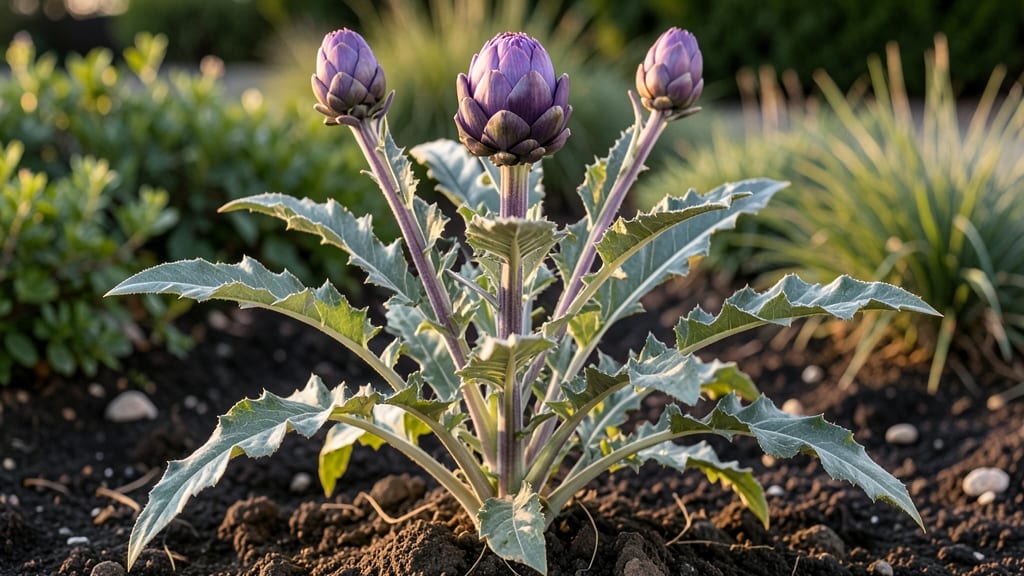
Growing purple artichoke plants turns your garden into a vibrant edible art gallery. 🌿 These striking purple-stemmed beauties aren’t just showstoppers—they’re delicious too, with tender hearts perfect for roasting or steaming.
I’ve grown them for years, and they’ve become my go-to for adding bold color and texture to both the garden and the kitchen.
The secret to success starts with well-draining soil and full sun—these plants thrive in hot, sunny spots where they can soak up at least 6-8 hours of sunlight daily. They’re not fussy about soil type, but they do appreciate a bit of compost worked into the bed before planting.
Water them deeply once a week, letting the soil dry slightly between waterings to prevent rot. Once established, these plants grow tall and dramatic, reaching 5-6 feet with striking purple stems and spiky silver-green leaves.
The real magic happens when you harvest the young buds—tender, flavorful, and packed with nutrients. Even if you miss a few, the ornamental value keeps your garden buzzing with interest all season.
For experienced gardeners, try growing them as a living trellis for climbing plants or as a dramatic backdrop in mixed borders. They’re also drought-tolerant once established, making them a low-maintenance star for any garden style.
📚 In This Guide
- What you need
- Instructions
- Tips and common mistakes
- Wrapping up and next steps
What you need
- ● Purple artichoke seeds or young plants: Choose heirloom varieties like Cynara cardunculus ‘Purple of Rome’ or ‘Violetto.’ Start with 3–5 plants for a small harvest.
- ● Well-draining potting mix or garden soil: Amend with compost (20–30%) for fertility. Avoid heavy clay.
- ○ Container (optional but helpful): A 12–18-inch pot with drainage holes if growing in containers.
- ● Balanced fertilizer (5-10-5 or 10-10-10): Use 1 tbsp per plant at planting and again after 6 weeks.
- ● Mulch (straw or wood chips): Spread a 2-inch layer to retain moisture and suppress weeds.
- ● Garden trowel or small shovel for planting.
- ● Watering can or hose with a gentle spray nozzle (purple artichokes hate soggy roots!).
- ● Pruning shears to trim spent buds and encourage new growth.
- ● Sunny spot: 6–8 hours of full sun daily (partial shade in scorching climates).
- ● Patience! 🌱 Purple artichokes take 6–8 months to mature.
- ● Cage or trellis if stems grow tall (up to 6 feet).
- ● Epsom salt (1 tbsp per gallon of water) for magnesium boosts.
- ● Row covers to protect from early frost or pests.
Step-by-step instructions for growing purple artichoke plants
These striking purple-stemmed varieties are easier to grow than you think—just follow these clear steps.
🌱 Step 1: Choose the Right Variety and Planting Location
Purple artichokes thrive in USDA zones 7-10 and need full sun (6-8 hours daily). I recommend varieties like 'Purple of Rome' or 'Purple Globe' for their dramatic stems and edible buds. Start with young plants from a nursery—they establish faster than seeds and give you a head start on that signature purple color.
Pick a spot with well-draining soil and space plants 18-24 inches apart in rows 24-30 inches apart. Purple artichokes grow 3-4 feet tall, so avoid planting near low-growing herbs that might get shaded out. Amend heavy clay soil with 2-3 inches of compost before planting to improve drainage and nutrient availability.
☀️ Step 2: Plant at the Right Time and Depth
Plant in early spring, 2-3 weeks before your last frost date, or in fall for winter harvests in mild climates. Dig a hole twice as wide as the root ball but no deeper—artichokes dislike having their crowns buried too deeply. Gently remove the plant from its container and loosen any circling roots with your fingers.
Place the plant in the hole so the top of the root ball sits 1 inch below soil level. This ensures stability and prevents stem rot. Backfill with native soil, pressing lightly to eliminate air pockets, then water deeply to settle everything. You'll know you've done it right when the soil surface looks slightly firm but not compacted.
💧 Step 3: Water Consistently and Fertilize for Vibrant Growth
Keep the soil evenly moist but not soggy—1-1.5 inches of water per week is ideal. I water in the morning so foliage dries quickly, reducing fungal risks. Purple artichokes are drought-tolerant once established, but consistent moisture during the first 6-8 weeks ensures strong purple stem development.
Side-dress with 2-3 tablespoons of balanced 10-10-10 fertilizer every 4-6 weeks starting when plants reach 12 inches tall. Avoid high-nitrogen fertilizers—they promote leafy growth at the expense of those prized purple stems. Look for deepening purple hues as a sign your plants are thriving.
✂️ Step 4: Prune and Support for Maximum Purple Impact
Remove any yellowing or diseased leaves immediately to maintain plant health. When buds form, watch for the first 1-2 inch purple buds—these are your harvest indicators. Leave the largest, healthiest buds on the plant; pinch off smaller ones to encourage energy toward fewer, larger artichokes.
Tall varieties may need staking as buds develop. Install 4-5 foot bamboo stakes near plants and loosely tie stems with soft twine. This prevents wind damage and keeps those striking purple stems upright. Harvest when buds are 3-4 inches across—they're tenderest then and packed with flavor.
⏰ Step 5: Harvest and Extend the Season
Cut artichokes cleanly with a sharp knife, leaving 1 inch of stem attached. Harvest in the morning when buds are tight and vibrant purple. Regular harvesting encourages more buds to form—you'll get 2-3 harvests per plant in a season if you stay on top of it.
After harvest, mulch with 2-3 inches of straw to protect roots in winter. Purple artichokes are perennial in zones 7-10, so with proper care, they'll reward you with bold purple stems and edible buds for years. Just remember: the more you harvest, the more they produce!
Tips & tricks for growing stunning purple artichoke plants
These little tricks will help you coax out those dramatic purple stems and maximize your harvest—no green thumb required.
Sunlight Strategy: While 6-8 hours of sun is ideal, purple artichokes can tolerate partial shade in hotter climates (zones 8-10). If growing in less than full sun, position plants where they'll receive the most intense afternoon light—this is when the purple pigmentation develops most vividly. I've seen plants in partial shade still produce edible buds, but the stems lose their signature deep purple hue.
Soil Science: The 2-3 inches of compost recommendation isn't just about drainage—it's about creating the perfect microbial environment. Purple artichokes thrive when soil pH is between 6.5-7.5. If your soil tests acidic, mix in some crushed limestone before planting. I test my soil annually and adjust as needed; the difference in plant vigor is noticeable within weeks.
Harvest Hack: Those 3-4 inch buds are perfect for eating, but don't stop there! The young purple stems (about pencil-thick) can also be harvested and steamed like asparagus. Just cut them at the base when they reach 6-8 inches tall. This encourages more buds to form lower on the plant, extending your harvest window by 2-3 weeks.
Winter Protection: The 2-3 inches of straw mulch recommendation works wonders, but for colder winters in zone 7, add a layer of bubble wrap around the base of plants before mulching. This creates an insulating air pocket that prevents soil temperature fluctuations. I've had plants survive down to 15°F with this method, producing buds the following spring.
Pro Tips for Purple Artichoke Plant
- These little tricks will help you coax out those dramatic purple stems and maximize your harvest—no green thumb required.
- Sunlight Strategy: While 6-8 hours of sun is ideal, purple artichokes can tolerate partial shade in hotter climates (zones 8-10).
- Soil Science: The 2-3 inches of compost recommendation isn't just about drainage—it's about creating the perfect microbial environment.
Frequently asked questions
Got questions about growing or using purple artichoke plants? You're not alone!
Here are some of the most common queries—plus quick, practical answers to help you cultivate these striking (and tasty!) plants with confidence.
How long does it take for a purple artichoke plant to produce edible buds?
A healthy purple artichoke plant typically takes 3–4 months from transplanting to harvest, depending on your climate. In warmer regions (Zones 7–10), you may see buds ready in as little as 80–100 days. Patience is key—rushing harvests can leave buds tough or underdeveloped!
Can purple artichoke plants survive winter, or do I need to replant yearly?
Purple artichokes (Cynara cardunculus var. altilis) are annuals in cold climates but perennial in mild winters (Zones 8–10). If frost threatens, mulch heavily or grow them as yearly crops. In colder areas, start seeds indoors 8–10 weeks before the last frost for a summer harvest.
Are the purple stems and leaves edible, or just the buds?
Yes! While the buds are the star, the purple stems and younger leaves are edible too—though they’re tougher and more bitter. Blanch or sauté stems for a unique flavor, or use leaves in soups (like fave in Italian cuisine). Always remove older, fibrous leaves before cooking.
What pests or diseases should I watch for with purple artichoke plants?
Keep an eye out for aphids, slugs, and artichoke plume moths (a common pest). For aphids, spray with soapy water; slugs can be deterred with diatomaceous earth. Powdery mildew may appear in humid conditions—improve airflow and avoid overhead watering. Rotate crops yearly to prevent soil-borne issues.
Can I grow purple artichokes in containers, or do they need a garden bed?
Purple artichokes thrive in large containers (at least 12–18 inches deep) with well-draining soil. Use a 5-gallon pot per plant and place them in full sun. Dwarf varieties (like ‘Violetto’) are ideal for containers. Just ensure pots don’t dry out—container-grown plants need regular watering.
Wrapping up and next steps
Growing a purple artichoke plant isn’t just about adding a pop of color to your garden—it’s a rewarding way to enjoy fresh, edible beauty right at home! These striking plants thrive with the right care, offering both ornamental appeal and delicious harvests.
Whether you’re a seasoned gardener or just starting, their resilience and versatility make them a fantastic addition to any plot.
Ready to dive in? Start by gathering your supplies, then follow the steps to plant, nurture, and soon, savor the fruits of your labor. Happy gardening—your purple artichokes are waiting! 🌱✨