
Planting
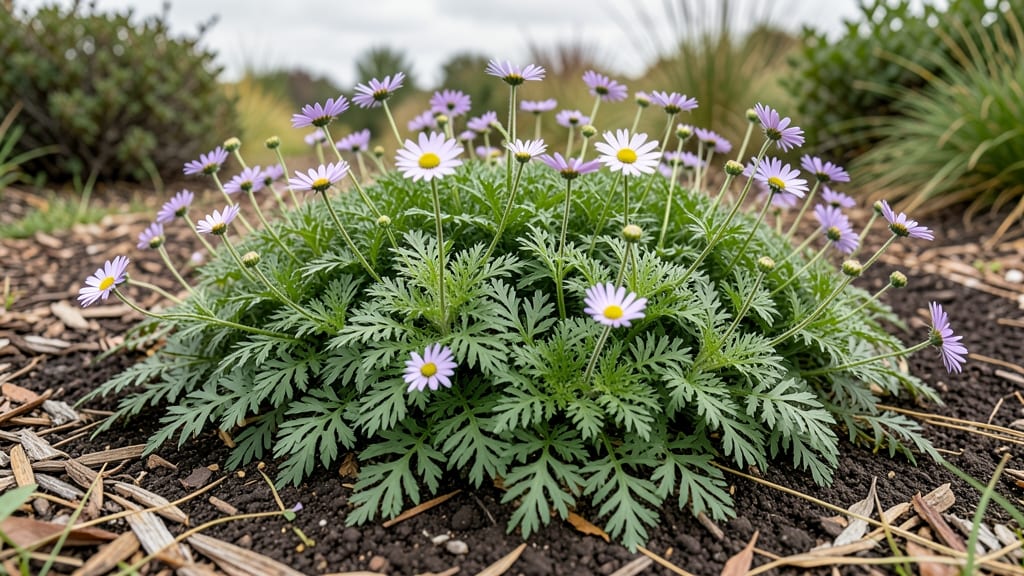
Mexican fleabane thrives in USDA hardiness zones 7 through 11, where it naturally handles heat and humidity without stress. Gardeners in cooler climates need to provide winter protection to prevent frost damage.
This hardy perennial originates from Mexico and Central America, where it flourishes in warm, dry conditions—exactly what zones 7-11 deliver. 🌵 The plant's deep roots and drought tolerance make it perfect for sunny borders or wildflower meadows, but its sensitivity to freezing temperatures means zone 6 and below require special care.
I've seen it survive winters in zone 7 with minimal protection, but below that, you'll need to act fast when temperatures drop.
What makes this plant so adaptable is its ability to thrive in poor, well-drained soils once established. However, its frost sensitivity means gardeners in colder regions must choose between overwintering strategies or treat it as an annual.
The good news? With proper mulching or container growing, you can extend its growing season significantly.
💡 In This Article
- USDA Zones 7-11: Mexican Fleabane’s Native Climate Range
- Winter Survival Strategies for Zones 6 and Below
USDA zones 7-11: Mexican fleabane’s native climate range
Mexican fleabane (Erigeron mexicanus) evolved in Mexico's arid highlands and Central America's tropical regions, where temperatures rarely drop below 20°F (-6.7°C) and humidity stays moderate. This explains why it thrives in USDA zones 7-11—its native climate mirrors these zones' average winter lows of 0°F to 40°F (zones 7-11).
The plant's deep taproots (often reaching 3-4 feet) access moisture in dry soils, while its silvery foliage reflects intense sunlight, preventing heat stress during 100°F+ summers common in zones 9-11. 🌡️
The plant's biological mechanisms reveal why it struggles outside these zones. Mexican fleabane lacks true winter dormancy—unlike perennials in colder climates—and instead relies on rapid regrowth after warm spells. When temperatures drop below 28°F (-2°C) for extended periods, its cell membranes begin to rupture, causing irreversible frost damage.
Studies show that even brief exposure to 20°F (-6.7°C) can kill 50% of plants without protection. In contrast, zone 7's milder winters (average lows of 0°F to 10°F) allow it to survive with minimal stress.
What's fascinating is how Mexican fleabane's flowering cycle aligns with its native climate. In zones 9-11, it blooms prolifically from spring through fall, taking advantage of long growing seasons.
In zone 7, flowering becomes more seasonal, often peaking in late spring and early summer before heat or drought triggers dormancy. This adaptation explains why gardeners in cooler zones see reduced blooms—shorter growing seasons limit the plant's ability to complete its full reproductive cycle. 🌼
Soil composition plays a surprising role in its zone adaptability. While Mexican fleabane tolerates poor, rocky soils in its native habitat, it performs best in well-drained garden soils with 60-70% sand content in zones 7-11. The key difference?
Native soils often have higher calcium carbonate levels (up to 30% in some regions), which the plant tolerates but doesn't require. This explains why it may struggle in heavy clay soils common in zones 5-6—poor drainage exacerbates cold sensitivity by keeping roots colder longer.
For gardeners pushing its limits, understanding its native rainfall patterns is crucial. Mexican fleabane receives 15-25 inches annually in its native range, with most precipitation coming in short, intense bursts rather than steady rains.
This drought tolerance explains why it thrives in zone 10's Mediterranean climates but may require weekly watering in zone 7's hotter summers. The plant's ability to go dormant during dry spells makes it surprisingly resilient once established—even in zone 7's 90°F+ heat waves. 💧
What most gardeners overlook is how Mexican fleabane's growth habit changes with latitude. In zone 11, it often grows as a semi-evergreen, maintaining some foliage year-round, while in zone 7, it typically dies back completely in winter. This shift isn't just about temperature—it's also about day length.
The plant's flowering triggers are sensitive to photoperiod, meaning it may bloom later in northern zones (like zone 7) where days are shorter in winter. This biological quirk explains why some gardeners in zone 7 report delayed first blooms compared to their zone 9 counterparts. 🌅