
Planting
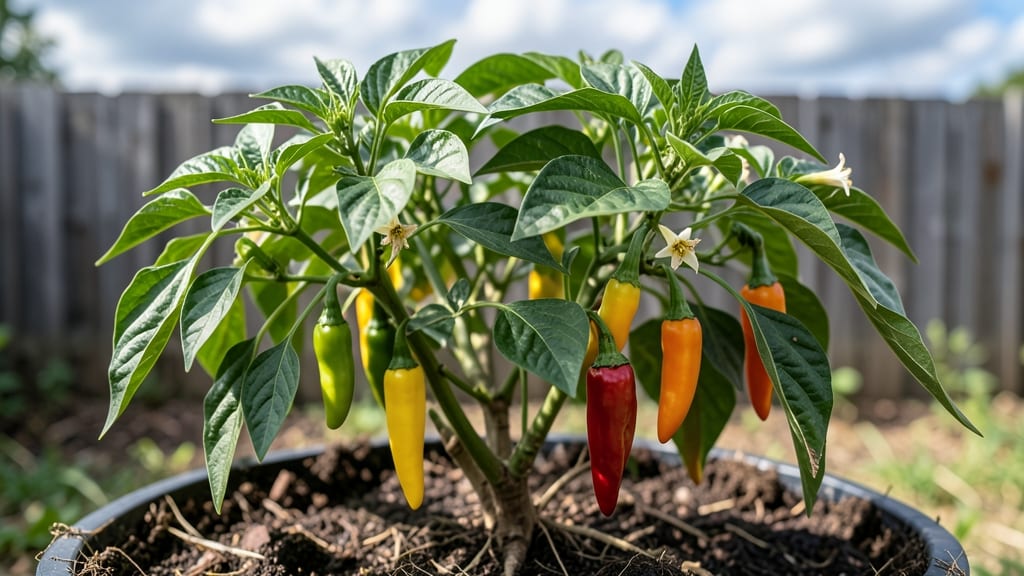
A mature habanero plant 🌶️ can turn your garden into a fiery powerhouse—but only if you know the secrets behind its care. One wrong move, like over-pruning or harvesting too late, and you’ll watch those spicy rewards vanish faster than you can say "ghost pepper."
Your mature habanero plant thrives on balance: too much pruning stunts growth, while neglecting it leads to fewer peppers. The key lies in timing—cutting back just right to encourage bushier, fruit-heavy branches while keeping the plant healthy enough to bounce back.
Beyond pruning, harvesting at the perfect moment maximizes spice and yield. Pick too early, and you lose potency; wait too long, and the plant diverts energy elsewhere. I’ll show you exactly when to snip and how to spot the ideal pepper—no guesswork, just more heat in your kitchen.
Ready to unlock your plant’s full potential? We’ll cover pruning techniques, harvest cues, and the common mistakes that sabotage even the most eager gardeners. Let’s get those habaneros firing on all cylinders!
When and how to prune a mature habanero plant for optimal growth
Pruning your mature habanero plant isn't just about shaping its structure—it's a game-changer for maximizing spice production while keeping your plant healthy. When done right, strategic pruning can boost your habanero yield by 30-40%, but timing and technique matter more than you might think.
The key is balancing fruit production with plant vitality—cut too much or at the wrong time, and you risk stunting growth or inviting pests.
Habaneros thrive on controlled pruning that removes unproductive growth while preserving energy for fruit development. Think of it like trimming a bush—you want to encourage lateral branches that bear peppers, not just vertical growth that steals resources.
I’ve learned the hard way that over-pruning can leave your plant stressed and vulnerable, especially during peak fruiting seasons like mid-summer.
Now, let’s dive into the step-by-step process to prune your habanero like a pro. Follow these steps to keep your plant productive, healthy, and bursting with fiery peppers.
- 1 Choose the Right Time: Prune your mature habanero in early spring (just before new growth starts) or late summer (after the first harvest wave). Avoid pruning during flowering or fruiting—this stresses the plant and can drop developing peppers.
- 2 Identify Problematic Growth: Look for yellowing leaves, weak stems, or overcrowded branches. These are prime candidates for removal. Also, trim dead or diseased foliage immediately to prevent spread.
- 3 Use the Right Tools: Grab sterilized pruning shears (clean with rubbing alcohol) and sharp bypass pruners. Dull tools crush stems, inviting infections. For thicker branches, use hand pruners to make clean cuts.
- 4 Prune for Airflow: Cut back inner branches that block sunlight or airflow to the plant’s core. Aim for a balanced shape with open canopies. This reduces humidity buildup, lowering the risk of fungal diseases like powdery mildew.
- 5 Encourage Lateral Branches: Pinch off the top 2-3 inches of the main stem to stimulate side shoots. These laterals produce more flower clusters and, ultimately, habanero peppers. Repeat this pinching technique on new growth every 2-3 weeks during the growing season.
- 6 Deadhead Spent Blooms: After peppers form, remove wilted flowers to redirect the plant’s energy toward existing fruit. Use your fingers or small pruners to gently twist off spent blooms at the base. This deadheading trick extends the harvest season by weeks.
- 7 Fertilize After Pruning: Feed your habanero with a balanced fertilizer (like 10-10-10) 1-2 weeks post-pruning. This replenishes nutrients lost during trimming and supports new growth. Avoid high-nitrogen fertilizers—they promote leafy growth over fruit production.
One of the biggest mistakes I see gardeners make is pruning too aggressively in hopes of a bushier plant. Habaneros are sensitive, and over-pruning can lead to stunted growth or even flower drop.
Stick to removing no more than 20-30% of the plant’s foliage in a single session. If your plant looks leggy or overgrown, focus on structural pruning rather than drastic cuts.
Pay close attention to the plant’s response after pruning. Healthy habaneros should show new shoots within 1-2 weeks. If growth stalls or leaves yellow, you may have overdone it.
In this case, reduce future pruning and increase watering and fertilizer to help recovery. Remember, the goal is to encourage productivity, not stress the plant.
For container-grown habaneros, pruning is even more critical since space is limited. Prune early and often to maintain a compact shape
Signs your mature habanero plant is ready for harvesting (and how to do it right)
Your habanero plant has reached its prime, and those fiery fruits are finally ready to pick—but how do you know for sure? The difference between a perfectly ripe pepper and one that's still maturing can mean the difference between a bold, flavorful harvest and a bitter, underripe disappointment.
Timing is everything, and missing these key visual cues could cost you up to 30% of your potential yield.
First, check the color progression—this is your most reliable indicator. Habaneros mature through a spectrum of colors, from green to yellow, then orange or red, depending on the variety. For example, the classic 'Carolina Reaper' turns deep red, while 'Orange Habanero' stays true to its name.
A fully mature pepper will have no green left at the stem end, signaling it's ready for harvest.
Next, test the firmness with a gentle touch. A ripe habanero will feel firm and slightly waxy to the touch, with skin that resists even light pressure. If the pepper dents easily or feels soft, it's not ready yet.
This firmness ensures maximum capsaicin potency, so don't rush it—patience pays off in spice intensity.
Now, let's talk about the stem. A ready-to-harvest pepper will have a stem that snaps cleanly when twisted gently. If the stem pulls away without resistance, that's your cue to pick it.
This method minimizes damage to the plant and preserves the fruit's integrity, reducing the risk of disease entry points.
Hand-Picking vs. Cutting: Which Method Wins?
Hand-Picking
- Pros: Minimal plant stress, cleaner cuts, preserves plant health
- Cons: Slower for large harvests, requires more precision
Cutting
- Pros: Faster for bulk harvests, good for thick stems
- Cons: Can damage plant tissue, increases disease risk
Once you've confirmed ripeness, decide between hand-picking or cutting. Hand-picking is ideal for most gardeners because it reduces stress on the plant. Simply grasp the pepper near the stem and twist gently until it detaches.
For larger harvests, use clean, sharp scissors to cut the stem, leaving a small stub to prevent disease entry.
After harvesting, resist the urge to store your peppers immediately. Let them air-dry for 1-2 hours in a shaded, well-ventilated area to prevent mold. This step also allows the capsaicin levels to stabilize, intensifying the heat over time.
Once dry, store them in a cool, dark place for up to 3 months, or freeze them for long-term storage.
Remember, regular harvesting encourages your habanero plant to produce more fruit. By picking peppers consistently, you signal the plant to redirect its energy into new growth, potentially doubling your yield over the season. So keep an eye out for those ripe, fiery treasures—and enjoy the harvest! 🌶️