
Planting
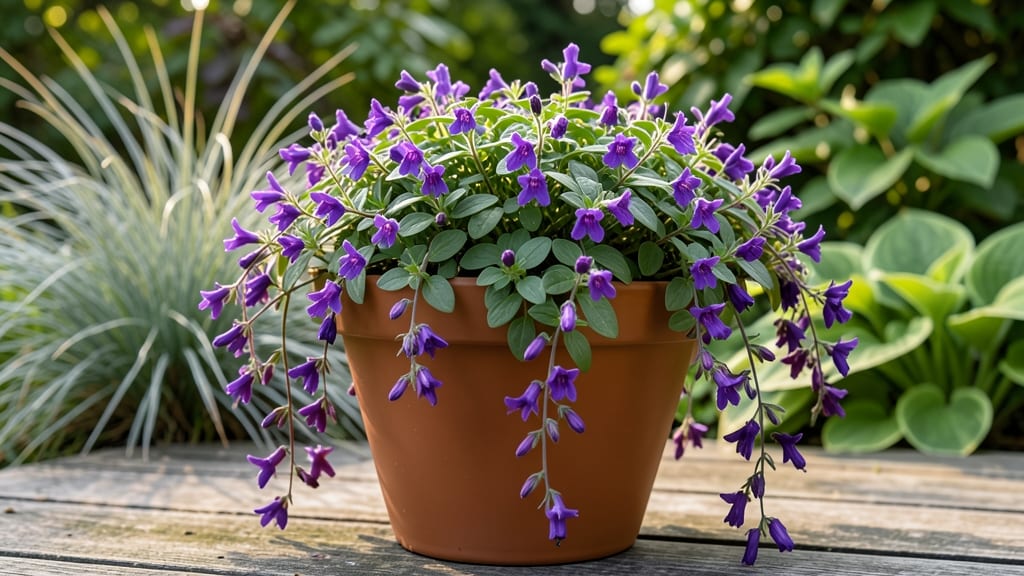
That large purple plant in your garden isn't just foliage—it's a bold statement. ✨ Think towering Elephant Ear with deep purple leaves or Black Bat Flower blooms that turn heads at sunset.
These plants don’t just fill space; they create drama with their height and rich color, making them perfect for borders or focal points where you want instant impact.
The best part? Most thrive with minimal fuss—just well-draining soil and a sunny spot. Pair them with silver foliage plants like lamb’s ear or bright yellow blooms for a striking contrast that pops in any season.
I’ve seen Purple Heart vine spill over trellises in summer, while Elephant Ear adds tropical flair even in cooler months.
Your garden will feel like a curated gallery, not just a yard. These plants draw the eye, soften harsh lines, and add depth to any landscape. Whether you’re framing a doorway or filling a shady corner, their low-maintenance glamour makes them a no-brainer for effortless elegance.
Pro tip: Prune Elephant Ear after blooming to keep it tidy, and mulch around the base to protect roots in winter. The payoff? A year-round showstopper that requires almost no extra work. Ready to transform your space?
📚 In This Guide
- What you need
- Instructions
- Tips and common mistakes
- Wrapping up and next steps
What you need
- ● Large Purple Plant: 1 mature plant (e.g., Cordyline fruticosa ‘Purpurea’, Agave ‘Blue Glow’, or Coleus ‘Black Dragon’) – Ensure it’s at least 3–5 feet tall for maximum impact.
- ● OR Seeds/seedlings (if starting from scratch): 3–5 seeds for better germination odds.
- ● Container: 1 large ceramic, fiberglass, or plastic pot (18–24" diameter) with drainage holes.
- ● OR In-ground planting spot (if outdoors) with well-draining soil.
- ● High-Quality Potting Mix: 1 bag (12–18 qt) of well-draining mix (e.g., cactus/succulent blend or add perlite/pumice for aeration).
- ● Fertilizer: Balanced liquid fertilizer (10-10-10 or 20-20-20) OR slow-release granules for long-term feeding.
- ● Basic Tools: Trowel or small shovel
- ○ Gloves (optional but recommended for handling prickly plants like agave)
- ● Watering can with a rose attachment (for gentle watering)
- ○ Decorative Touches (Optional but Fun!): Gravel or pebbles (for drainage layer or aesthetic)
- ● Moss or mulch (to retain moisture and add texture)
- ● LED grow lights (if indoors with low natural light)
- ● Light: Bright, indirect sunlight (6+ hours/day). South/west-facing windows or a sunny patio work best.
- ● Temperature: Ideal range: 65–80°F (18–27°C). Avoid drafts or extreme heat/cold.
- ● Humidity: Moderate to high (40–60%+). Mist leaves occasionally if air is dry.
- ● Patience: Some purple plants (like coleus) thrive in partial shade, while others (like agave) need full sun—check your plant’s care tag!
How to grow and care for a striking large purple plant
Here’s how to cultivate a bold, low-maintenance purple plant that’ll dominate your space with drama.
🌱 Step 1: Choose the Right Purple Plant for Your Space
Not all purple plants are created equal—some stay compact while others reach towering heights. For a statement-making look, consider Agapanthus (up to 5 feet), Cordyline (6+ feet), or Dracaena marginata (3-4 feet). These thrive indoors or out, depending on your climate. If you want year-round color, go for Dracaena or Coleus—both hold their hue even in low light.
Check your light conditions first. Full sun (6+ hours) works for Agapanthus and Lantana, while Dracaena and Purple Heart (Tradescantia) tolerate bright indirect light. If your space is dim, skip sun-lovers—they’ll fade to sad green. I always test a leaf’s reaction to light: if it burns or wilts after a few days, move it.
☀️ Step 2: Position for Maximum Purple Impact
Purple plants thrive in bright, indirect light—think east or west-facing windows—but avoid harsh afternoon sun, which can bleach the color. If you’re growing outdoors, place them where they get morning sun and afternoon shade, like near a north-facing wall. I’ve seen Agapanthus lose its deep purple hue when baked in full sun, so I always spot-test for a week first.
For indoor plants, rotate them quarter-turn weekly so growth stays even. You’ll notice leaves leaning toward the light? That’s your cue to move the pot. If your plant is Dracaena, it can handle low light but will grow slower and lose some vibrancy. Purple foliage is a light-loving trait—don’t skimp on brightness.
💧 Step 3: Water with Precision to Preserve Color
Overwatering is the #1 killer of purple plants—roots rot fast, and the leaves turn yellow or brown. Stick your finger 1 inch into the soil: if it’s dry, water deeply until it drains from the bottom. If it’s still damp, wait another day. Agapanthus and Lantana love moisture but hate soggy roots, while Dracaena and Purple Heart prefer drier soil—let the top 2 inches dry out between waterings.
I use room-temperature water (cold water shocks roots) and avoid getting leaves wet—soggy foliage invites fungal issues. If your plant’s leaves curl or droop, it’s usually underwatered. If they yellow at the tips, you’re overdoing it. Purple plants are drought-tolerant once established, so underwatering is safer than overwatering—trust me, I’ve learned this the hard way.
✂️ Step 4: Prune for Shape and Encourage More Purple
Pruning isn’t just about looks—it keeps your plant healthy and bushier. Snip dead or yellow leaves at the base with clean, sharp scissors (sterilize with rubbing alcohol first). For Dracaena or Cordyline, trim leggy stems back by ⅓ to encourage new growth. If your plant is Agapanthus, cut back spent flower stalks after blooming to redirect energy into foliage.
Here’s the trick: Pinch back new growth in spring to force branching. You’ll see more vibrant purple leaves fill in where you pruned. Just don’t go overboard—never remove more than ⅓ of the plant at once. I prune mine every 3-4 months in early spring, and the difference in color and shape is noticeable within weeks.
🪴 Step 5: Feed for Rich, Deep Purple Foliage
Purple plants need balanced fertilizer to keep their color intense. Use a 20-20-20 liquid fertilizer (or organic fish emulsion) once a month in growing season (spring-fall). If your plant’s color fades to green, it’s hungry—feed it! For Dracaena, I switch to a low-nitrogen fertilizer (like 5-10-10) to avoid leaf burn. Agapanthus loves a phosphate-heavy feed (like 10-30-20) to boost blooms.
In winter, stop fertilizing—purple plants rest then. I always flush the soil with water every 3 months to prevent salt buildup (a common issue with houseplants). If you see white crust on the soil surface, it’s time to rinse—this can burn roots and dull the purple hue. Less is more: over-fertilizing causes more harm than good.
Tips & tricks for growing a dramatic purple plant
Here’s what nobody tells you about keeping those bold purple leaves vibrant and thriving.
Light Testing is Non-Negotiable: When choosing your spot, test for a full week first. Place your plant in the chosen location and watch for any browning or wilting on the leaves—this is your plant’s way of saying "not enough light" or "too much heat." For Agapanthus or Lantana, if leaves start looking dull after a week, move it to a sunnier spot. For Dracaena, if leaves grow pale, it’s time to find a brighter location. This simple step prevents years of frustration with faded foliage.
Rotation Prevents Lopsided Growth: That quarter-turn weekly rotation in Step 2 isn’t just about looks—it’s about survival. Purple plants grow toward the light, and without rotation, you’ll end up with a plant that leans dramatically one way, creating a "bald" side. I’ve seen Cordyline plants that looked like they’d been hit by a lawnmower because someone skipped this step. Set a reminder on your phone if needed—your plant will thank you with even, vibrant growth all around.
Soil Drainage Makes All the Difference: The instructions mention watering techniques, but here’s the secret: your pot matters just as much. If you’re growing outdoors, use containers with drainage holes—purple plants hate soggy roots. For indoor plants, I recommend terracotta pots because they breathe better than plastic. Pro tip: Add a layer of perlite or pumice to the bottom of your pot before adding soil. This creates air pockets that prevent root rot, especially for moisture-loving varieties like Agapanthus.
Pruning Timing Boosts Color: The early spring timing in Step 4 isn’t arbitrary—it’s when your plant naturally starts its growth cycle. Pruning then gives you the most vibrant new growth. I’ve noticed that plants pruned in summer often produce less intense purple leaves. For Dracaena or Cordyline, trim back those leggy stems by one-third, but leave the lower leaves intact—they help support new growth. And always use clean scissors—dull blades crush stems and invite disease.
Pro Tips for Large Purple Plant
- Here’s what nobody tells you about keeping those bold purple leaves vibrant and thriving.
- Light Testing is Non-Negotiable: When choosing your spot, test for a full week first.
- Rotation Prevents Lopsided Growth: That quarter-turn weekly rotation in Step 2 isn’t just about looks—it’s about survival.
Frequently asked questions
Got questions about your large purple plant? You’re not alone! Here are some of the most common queries—plus quick, practical answers to keep your statement-making foliage thriving with minimal fuss.
How much sunlight does a large purple plant need?
A large purple plant like Alocasia ‘Purple Stripe’ or Cordyline ‘Purple Halo’ thrives in bright, indirect light. Too much direct sun can scorch the leaves, while too little dims the vibrant purple hues. Place it near an east-facing window or a few feet from a south-facing one for ideal results.
How often should I water my large purple plant?
Water when the top 1–2 inches of soil feel dry—typically every 1–2 weeks, depending on humidity and temperature. Overwatering is the #1 killer of these plants! Use well-draining soil and a pot with drainage holes to prevent root rot. Pro tip: Stick your finger in the soil—if it’s damp, wait a few more days!
Can large purple plants survive indoors year-round?
Most large purple plants (like Dracaena ‘Limelight’ or Aglaonema ‘Silver Queen’) are indoor-friendly if given the right conditions. Keep them away from drafts, AC vents, or heaters. In winter, reduce watering slightly, as growth slows. A humidifier or pebble tray can help mimic their tropical roots.
Why are the leaves turning yellow or brown?
Yellowing leaves often signal overwatering, while brown tips usually mean low humidity or fluoride in tap water. Try these fixes:
- Let the soil dry out slightly between waterings.
- Use filtered or distilled water to avoid chemical buildup.
- Mist the leaves or place the pot on a tray with water and pebbles.
If the problem persists, check for pests like spider mites on the undersides of leaves.
What are some low-maintenance alternatives to large purple plants?
If you want bold purple foliage with zero fuss, try these easy-care options:
Plant
Light Needs
Water Needs
Purple Heart (Tradescantia pallida)
Bright, indirect light
Water when soil is dry (very drought-tolerant!)
Black Prince Calathea
Medium to low light
Keep soil consistently moist (loves humidity!)
Purple Passion Plant (Gynura aurantiaca)
Bright, indirect light
Water when topsoil dries (spreads easily—watch out!)
All three are pet-safe (unlike some purple-leaved plants) and add instant drama to any space!
Wrapping up and next steps
There you have it—your large purple plant is ready to transform any space with its bold beauty and effortless charm! Whether you’re drawn to the striking Alocasia ‘Polly’ or the lush Coleus, these statement-makers prove that height and drama don’t require high maintenance.
With the right light, soil, and a little TLC, you’ll enjoy years of vibrant foliage that turns heads and lifts spirits.
Now that you’re equipped with the know-how, take the next step! 🌱 Start by picking your favorite purple plant from a local nursery or online retailer, then grab your supplies and get planting. Share your progress—or your stunning finished look—with the gardening community for extra inspiration. Happy growing!