
Planting
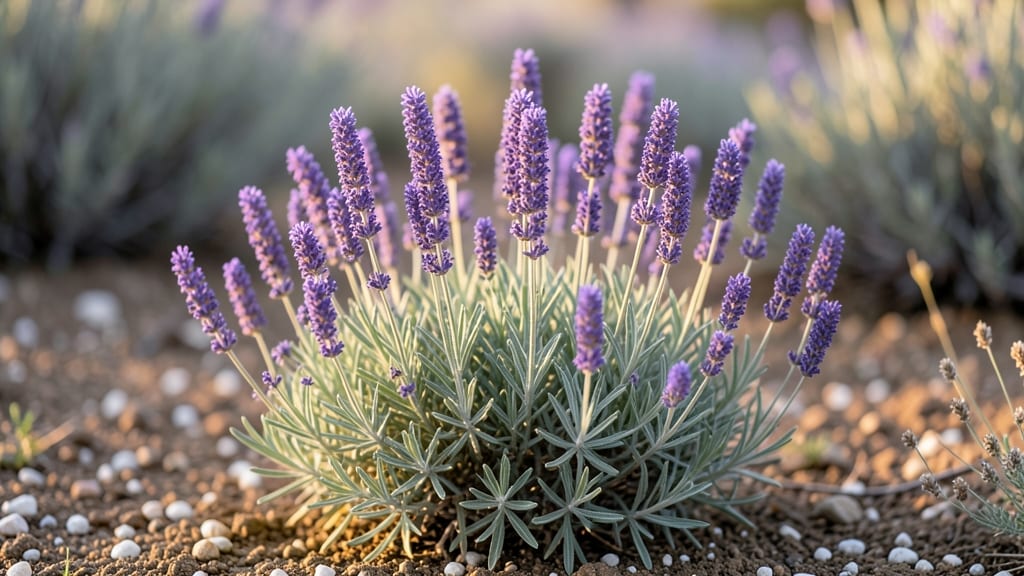
Growing the Pinata lavender plant means purple clouds of fragrance that fit perfectly in pots. 🌿 This compact variety stays neat, blooms reliably, and thrives where other lavenders struggle—making it the ideal choice for small spaces and containers.
Unlike sprawling types, 'Pinata' stays bushy and dense, with deep purple flowers that perfume the air for weeks.
The secret to happy Pinata lavender is sunlight, well-draining soil, and moderate watering—never soggy roots. I’ve grown mine in 12-inch pots for years, and it never complains about summer heat or winter chill (down to 10°F).
Just plant it in fast-draining mix with a handful of perlite, and you’re golden.
By midsummer, you’ll have vibrant purple spikes that attract bees and fill your patio with a clean, floral scent. Prune lightly after blooming to keep it tidy, and it’ll reward you with another flush of flowers.
The fragrance alone makes it worth the effort—imagine walking past and catching that fresh, herbal whiff.
Works equally well on balconies, windowsills, or as a border plant. Once established, it’s nearly foolproof—just water when the top inch of soil feels dry, and enjoy the show. Here’s how to keep yours thriving all season long.
📚 In This Guide
- What you need
- Instructions
- Tips and common mistakes
- Wrapping up and next steps
What you need
- ● Pinata lavender plant: Choose between: Nursery-grown plant (1–3 gallon container size for best results)
- ● Seeds (if starting from scratch—germination can take 2–4 weeks)
- ● Healthy cuttings (4–6 inches long, with at least 2–3 nodes)
- ● Well-draining potting mix: 1–2 bags (5–10 lbs each) of cactus/succulent blend or add perlite/pumice (20–30% by volume) to regular soil.
- ● Container: 1 pot with drainage holes (minimum 12–14 inches wide for mature plants; wider is better for airflow). Terracotta or fabric pots are ideal.
- ● Gravel or pebbles: Small stones (½–1 inch) for a 1–2 inch drainage layer at the pot’s bottom.
- ● Gloves (to protect hands from prickly stems)
- ● Trowel or small shovel (for transplanting)
- ● Pruning shears (sterilized with rubbing alcohol)
- ● Watering can with a narrow spout (to avoid overwatering)
- ● Slow-release fertilizer (balanced 10-10-10 or lavender-specific granules, 1–2 tbsp per pot)
- ○ Mulch (optional): Gravel or coarse sand (to retain heat and deter weeds)
- ○ Sunlight meter (optional): To ensure your spot gets 6+ hours of full sun daily.
Step-by-step guide to growing Pinata lavender in containers
This compact, fragrant variety thrives in pots—here's how to coax those stunning purple blooms all season long.
🪴 Step 1: Choose the Right Container and Soil Mix
Pinata lavender needs excellent drainage, so select a container with drainage holes at least 6 inches deep and 8-10 inches wide for each plant. Terra cotta pots work best—they wick away excess moisture naturally. I always use a well-draining potting mix blended with 30% perlite or coarse sand to prevent soggy roots, which lavender despises.
Fill the pot 1 inch below the rim with your mix, then tap gently to settle it. The goal is airy soil that lets water flow through rather than pool. If your mix feels dense, add an extra handful of perlite—this prevents root rot and keeps those fragrant stems healthy.
🌱 Step 2: Plant with Proper Spacing and Light Requirements
Pinata lavender grows in a compact mounding habit, so plant one per 8-inch pot or three per 12-inch container with 3-4 inches between stems. Dig a hole just deep enough to cover the root ball without burying the crown—lavender hates having its base smothered.
Place your newly potted lavender in full sun (at least 6-8 hours daily). A south-facing window or balcony delivers ideal conditions, but if you're growing indoors, supplement with a grow light positioned 12-18 inches away for 12-14 hours daily. Without enough light, stems stretch and flowers become sparse.
💧 Step 3: Water Deeply but Infrequently
Water lavender only when the top 2 inches of soil feel completely dry—this usually means every 7-10 days in summer, less in winter. I use the "drip test" method: pour water until it runs freely from the drainage holes, then wait until the soil surface is bone dry before watering again.
Overwatering is the fastest way to kill lavender. You'll know you're doing it right when the soil feels light and crumbly between waterings. If leaves yellow or stems soften, you've watered too much—cut back immediately and let the soil dry out completely.
✂️ Step 4: Prune for Bushier Growth and More Blooms
After the first flush of flowers fades (usually in early summer), trim back all spent blooms by one-third of their height. Use clean, sharp shears to make cuts just above a set of healthy leaves. This encourages a second flush of flowers and prevents leggy growth.
In late winter or early spring, give your lavender a harder prune by cutting back one-third to one-half of the previous year's growth. This stimulates fresh, compact growth. Never prune into old wood—you'll see a woody base where the stems turn brown. Prune only the tender green growth.
☀️ Step 5: Overwinter for Next Year's Blooms
As temperatures drop below 50°F, move your lavender to a bright, cool location (like a garage with windows) where it gets 4-6 hours of sunlight daily. Reduce watering to every 3-4 weeks, only enough to keep the soil from drying out completely.
In late winter, before new growth appears, trim any dead or woody stems at the base. This refreshes the plant and makes room for spring's vigorous new shoots. With proper overwintering, your Pinata lavender will reward you with even more abundant blooms next season.
Tips & tricks for perfect Pinata lavender plant care
These insider secrets will help you coax those vibrant purple blooms from your potted lavender all season long.
Container Selection: While terra cotta is ideal, fiberglass or plastic containers with drainage holes also work well. Just avoid glazed pots—they trap moisture and lead to root rot. I've found that slightly larger pots (10-12 inches) give lavender more stability, especially in windy conditions. The extra space also helps prevent overcrowding as the plant matures.
Lighting Strategy: For indoor growers, position your grow light at the 12-inch mark and adjust as the plant grows. I've noticed lavender responds best to lights that mimic natural sunlight—opt for full-spectrum LEDs if possible. Rotate the pot quarter-turn daily to prevent lopsided growth toward the light source. This ensures even exposure across all stems.
Watering Wisdom: The "drip test" method is foolproof, but here's what I've learned: water until you see moisture emerge from the drainage holes, then wait until the soil is completely dry 2 inches down before repeating. In winter, I reduce watering to every 3-4 weeks—the plant's growth slows dramatically, and overwatering becomes an even bigger risk. A moisture meter helps avoid guesswork.
Pruning Precision: When giving your lavender that late-winter prune, cut back to just above a set of healthy leaves where new growth will emerge. I always use clean, sharp shears to make 45-degree angled cuts—this prevents water from pooling on the stem and reduces disease risk. Never remove more than half the plant at once; lavender is resilient but not invincible.
Pro Tips for Pinata Lavender Plant
- These insider secrets will help you coax those vibrant purple blooms from your potted lavender all season long.
- Container Selection: While terra cotta is ideal, fiberglass or plastic containers with drainage holes also work well.
- Lighting Strategy: For indoor growers, position your grow light at the 12-inch mark and adjust as the plant grows.
Frequently asked questions
Got questions about growing your own pinata lavender plant? You’re not alone! Here are answers to the most common queries to help you nurture fragrant, purple blooms with confidence.
How often should I water my pinata lavender plant?
Pinata lavender is drought-tolerant, so water deeply but infrequently—about once a week (or when the top inch of soil feels dry). Overwatering is the #1 killer! Use well-draining soil and a pot with drainage holes to prevent root rot. Pro tip: Let the soil dry out completely between waterings, especially in cooler months.
When is the best time to plant pinata lavender?
Plant in early spring or late fall when temperatures are mild (60–75°F). Avoid extreme heat or frost, as lavender is sensitive to both. If starting from seeds, sow indoors 8–10 weeks before the last frost. For transplants, wait until nighttime temps stay above 50°F for consistent growth.
Can I grow pinata lavender in a small container?
Pinata lavender thrives in containers 12–18 inches wide with drainage. Use a mix of cactus/succulent soil and perlite for airflow. Just ensure the pot has holes to prevent soggy roots. Bonus: Smaller pots make it easy to move lavender to sunny spots or indoors during winter.
What pests should I watch for with pinata lavender?
Lavender is generally pest-resistant, but keep an eye out for aphids, spider mites, or whiteflies. If you spot them, spray with neem oil or insecticidal soap. Yellowing leaves or sticky residue? Wipe leaves with soapy water. Prevention tip: Prune regularly to improve airflow and deter pests.
How do I prune pinata lavender for bushier growth?
Prune right after flowering (late spring/early summer) to encourage dense growth. Trim back 1/3 of the plant’s height with clean shears, avoiding woody stems. Avoid heavy pruning in fall/winter, as lavender needs its foliage to protect new growth. Fun fact: Pruned stems make lovely potpourri!
Wrapping up and next steps
Bringing a pinata lavender plant into your container garden is a rewarding way to enjoy its stunning purple blooms and soothing fragrance—without the fuss! 🌿 With the right soil, sunlight, and care, this versatile plant thrives in small spaces, making it perfect for balconies, patios, or windowsills.
Whether you're a seasoned gardener or just starting, this fragrant beauty is a simple yet stunning addition to your green oasis.
Ready to transform your space? Grab your supplies, follow the steps, and watch your pinata lavender flourish. Next up: Share your progress with fellow plant lovers or experiment with companion plants like rosemary or thyme for a sensory garden experience! 🌸